Holiday Cheer 2025
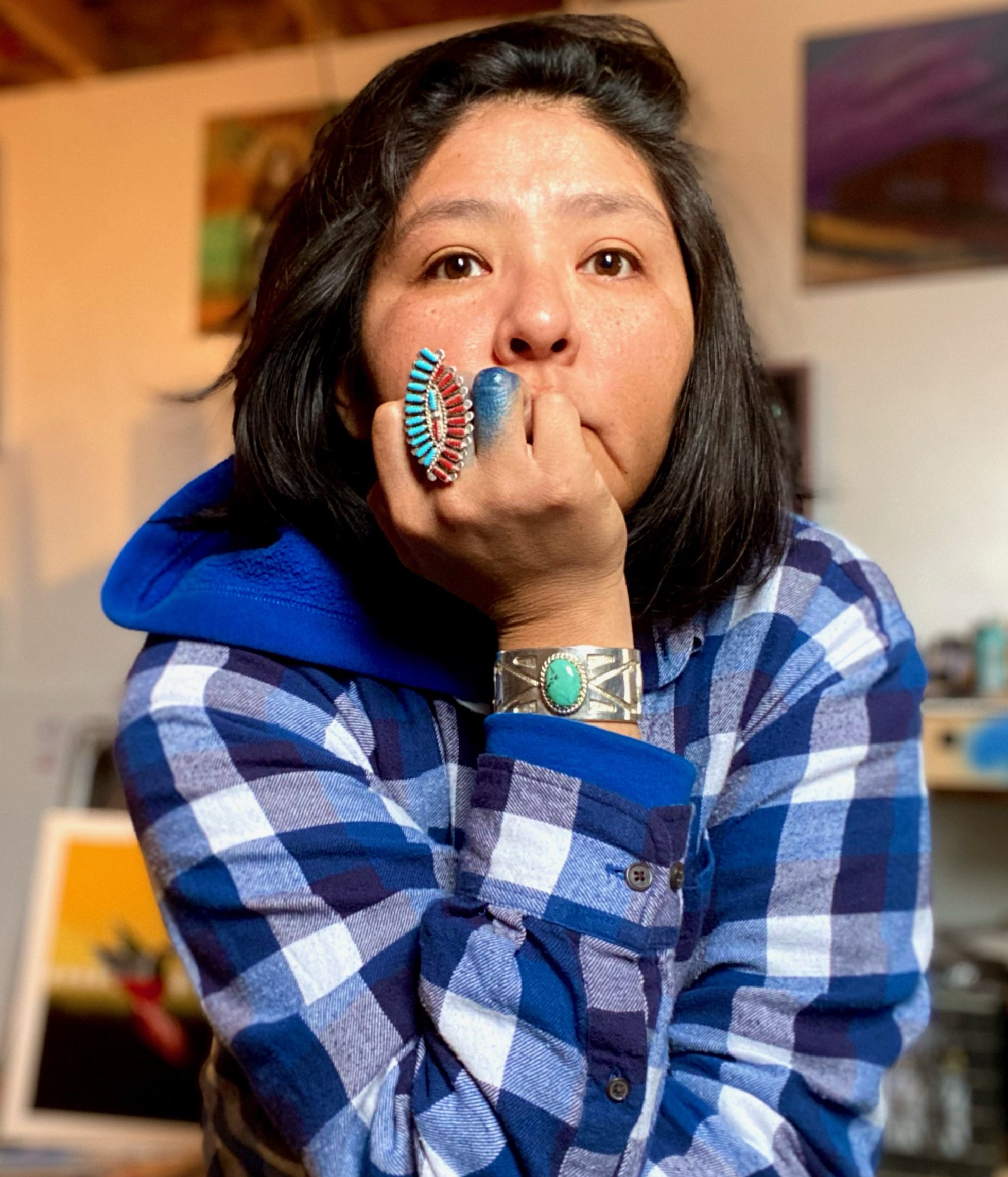
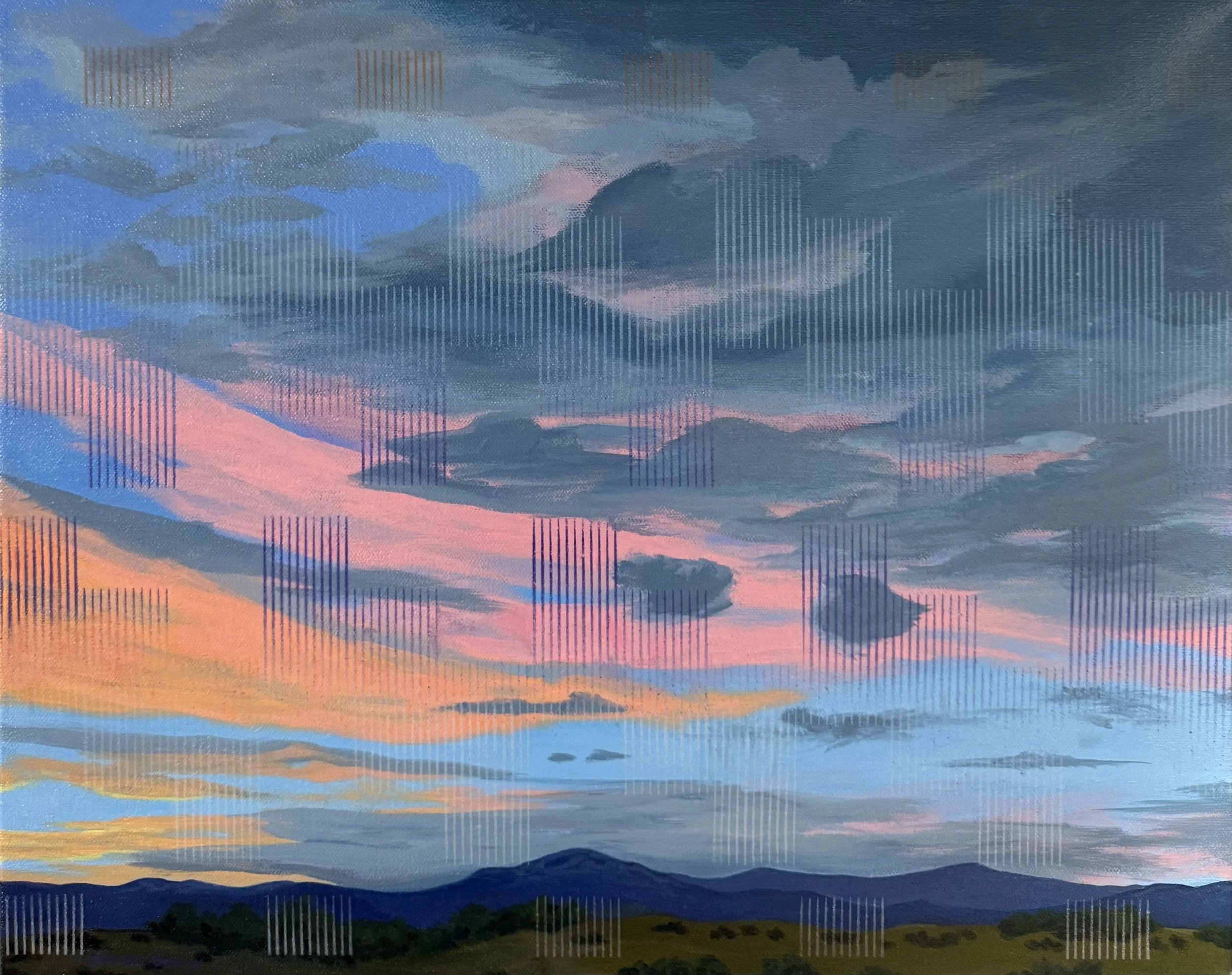
To celebrate the season, Gallery Hózhó warmly invites you to our annual Holiday Cheer winter exhibition. This special show features a thoughtful selection of works by Mark Feldman, Karma Henry, Alex Peña, Manuel Ramirez, Angie Rehnberg, and A. Thompson.
As we close out the year, we want to thank our community of artists, supporters, and visitors for making this year so meaningful. Your presence, creativity, and support continue to shape what we do. We look forward to growing together in the years ahead!
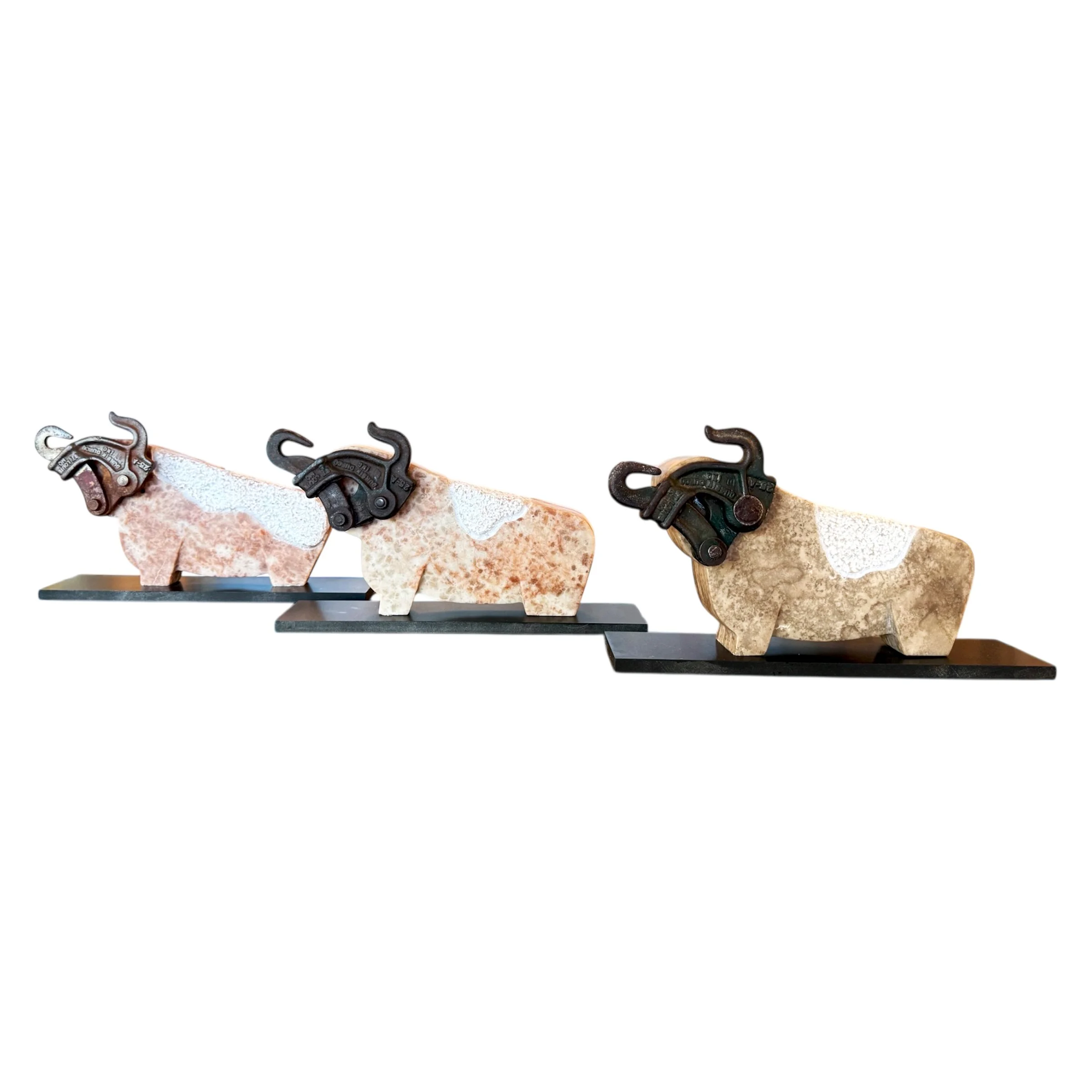
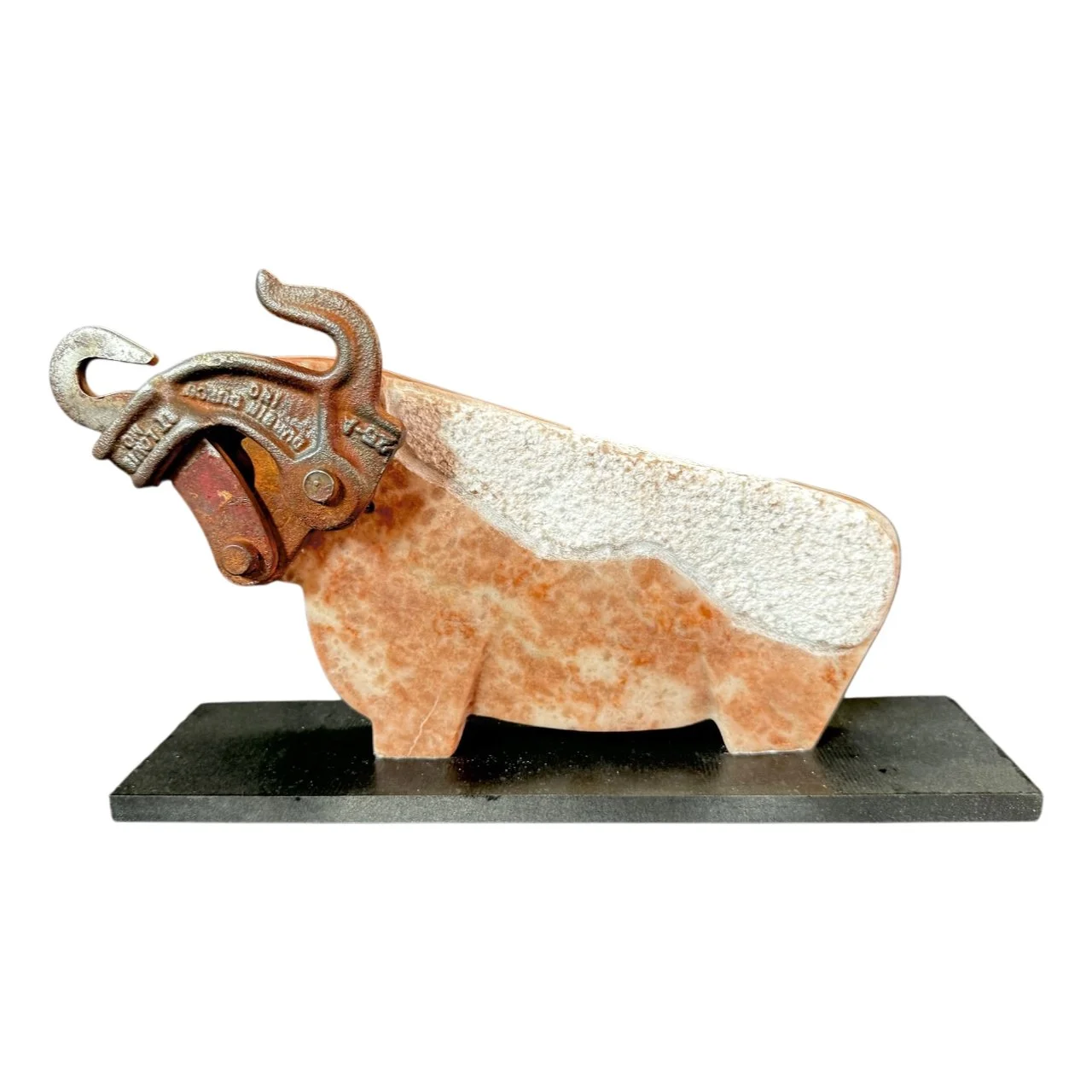
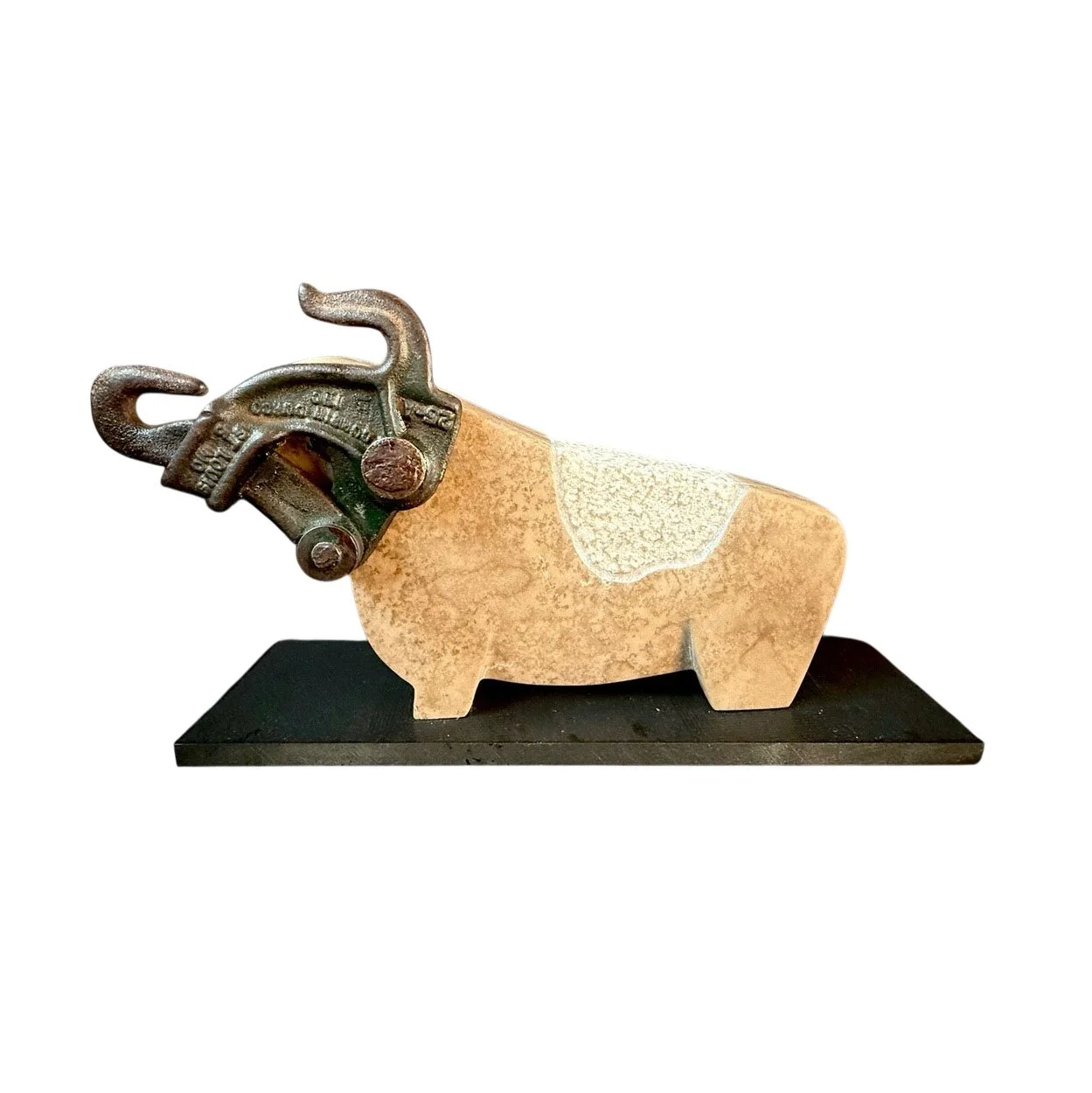
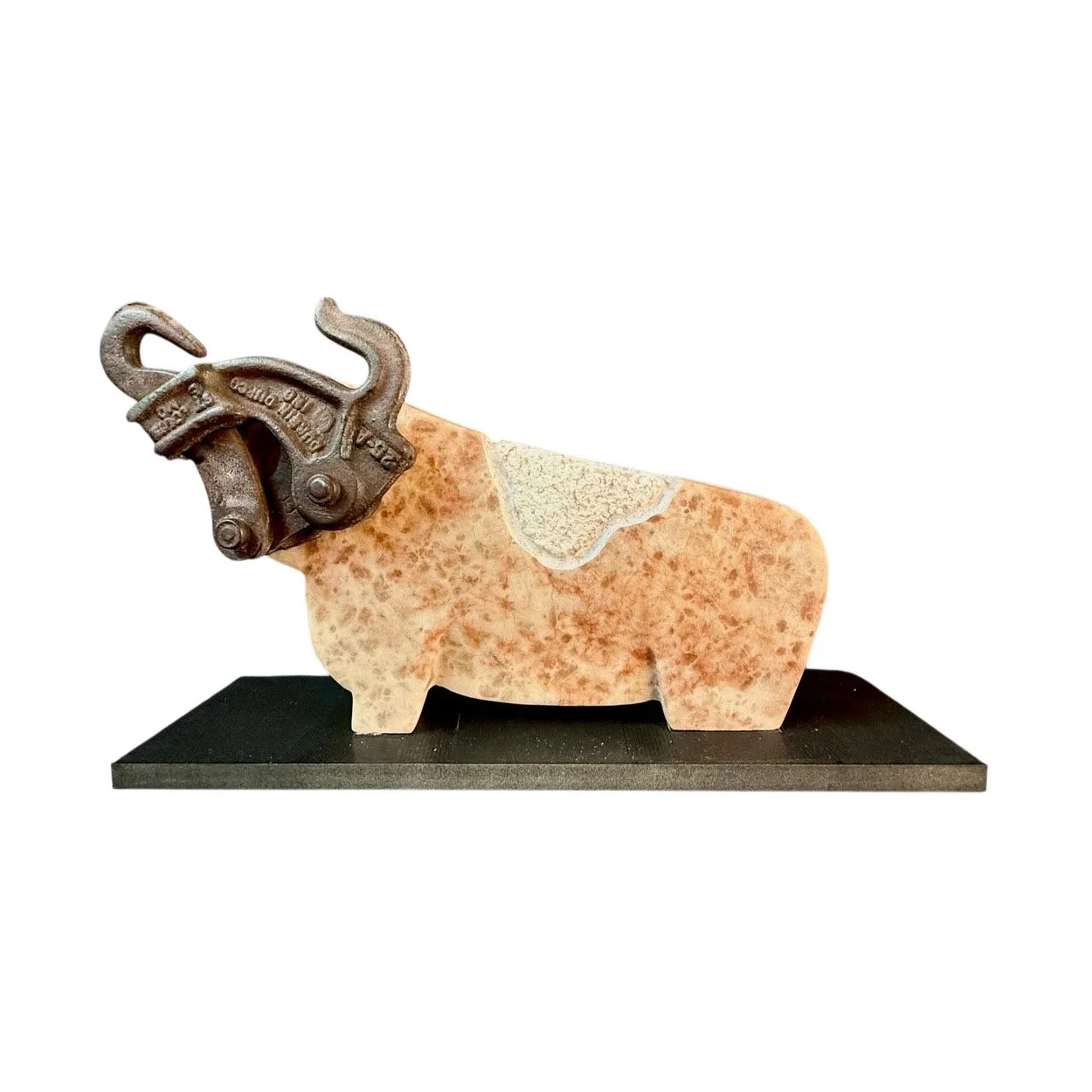













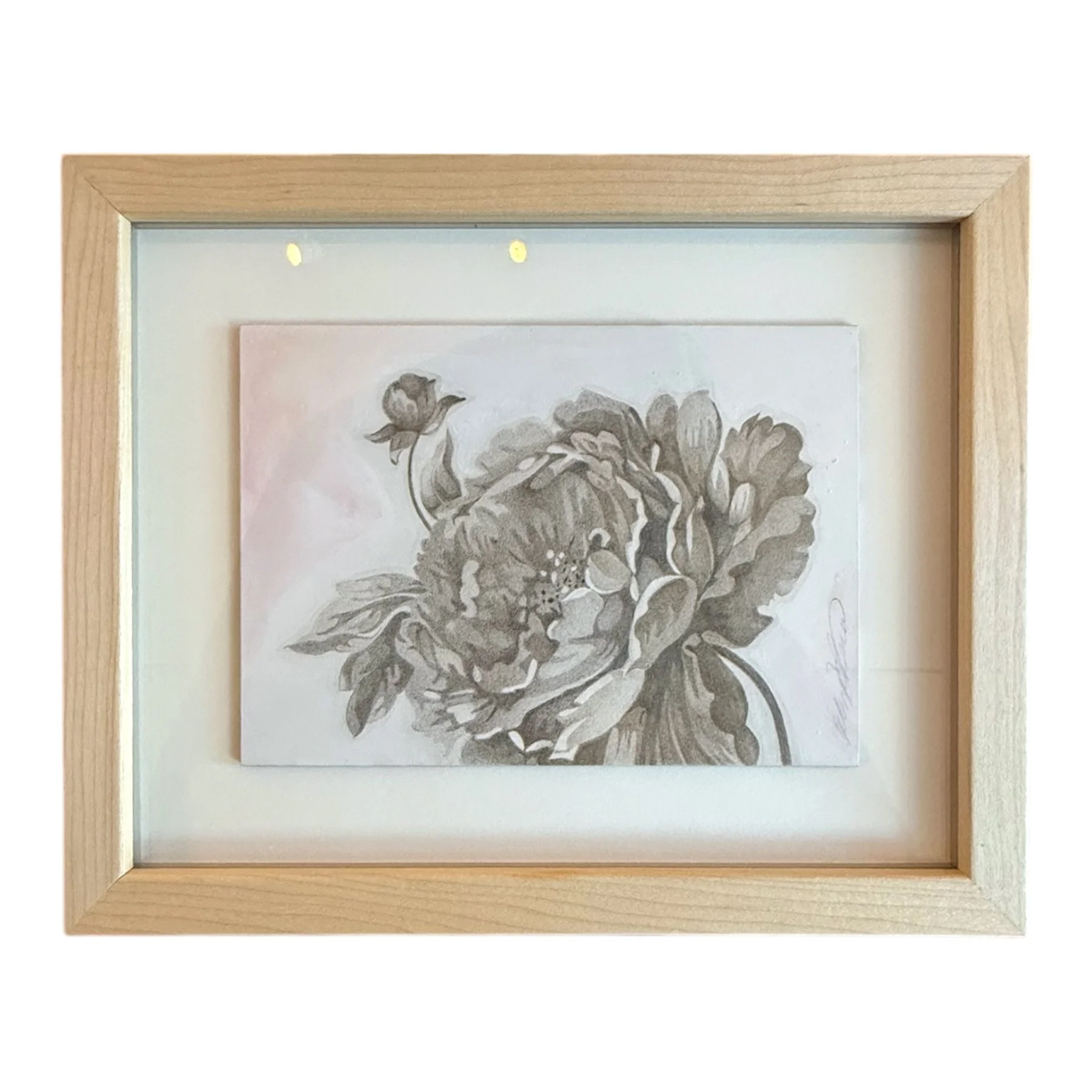
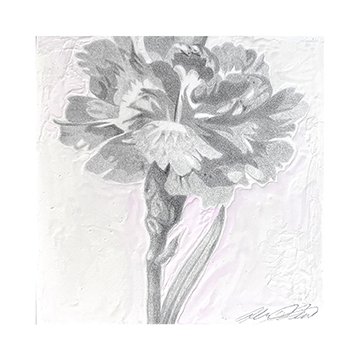


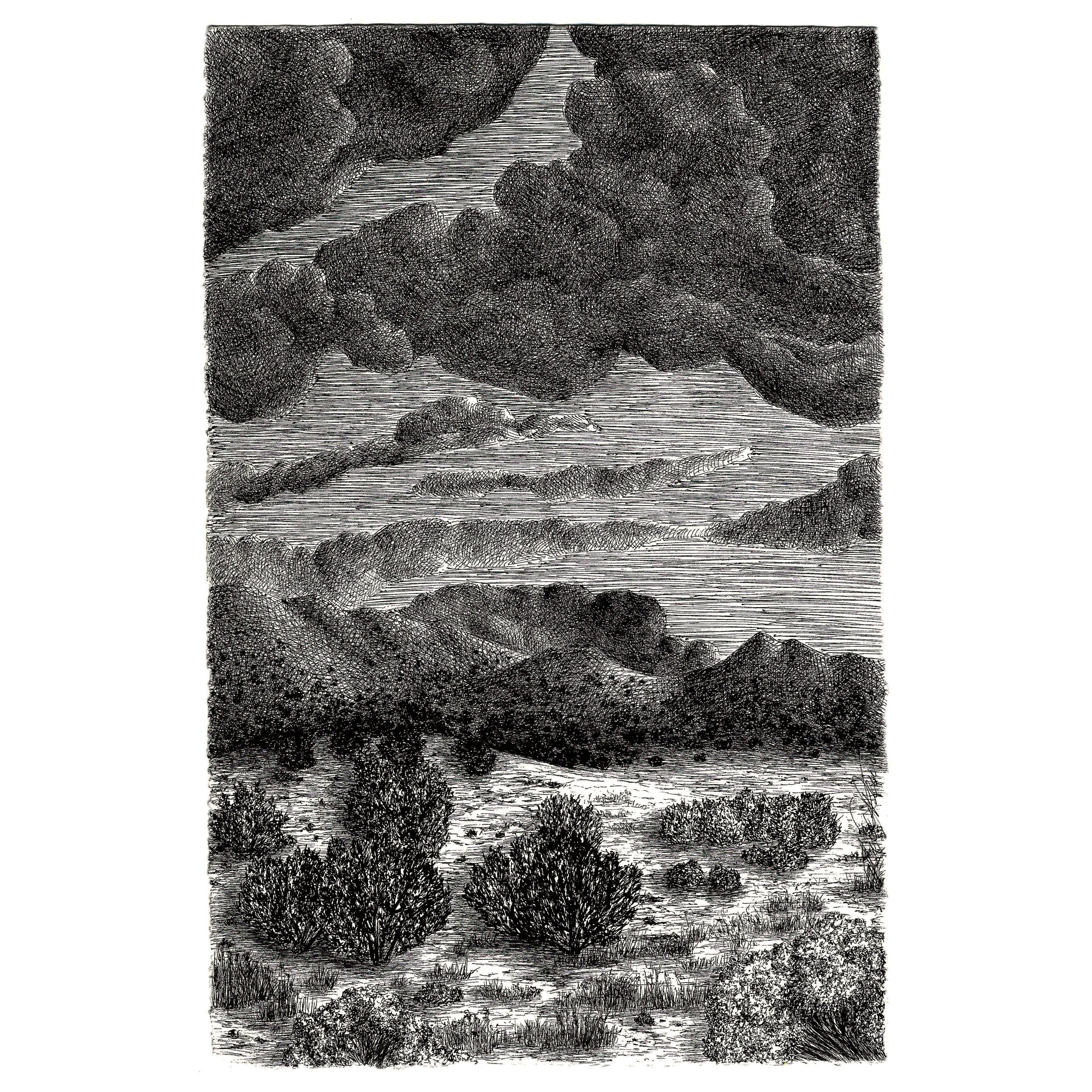
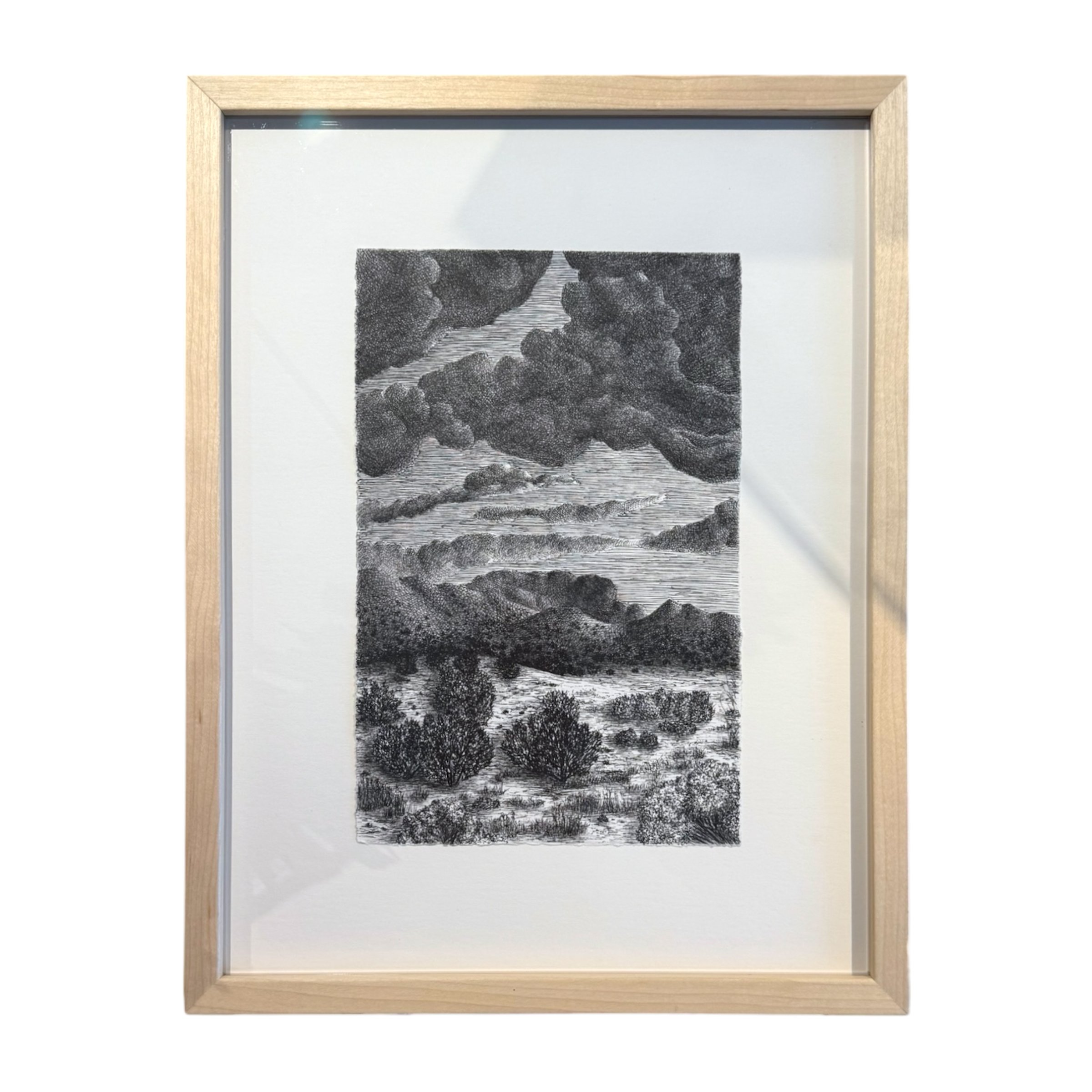



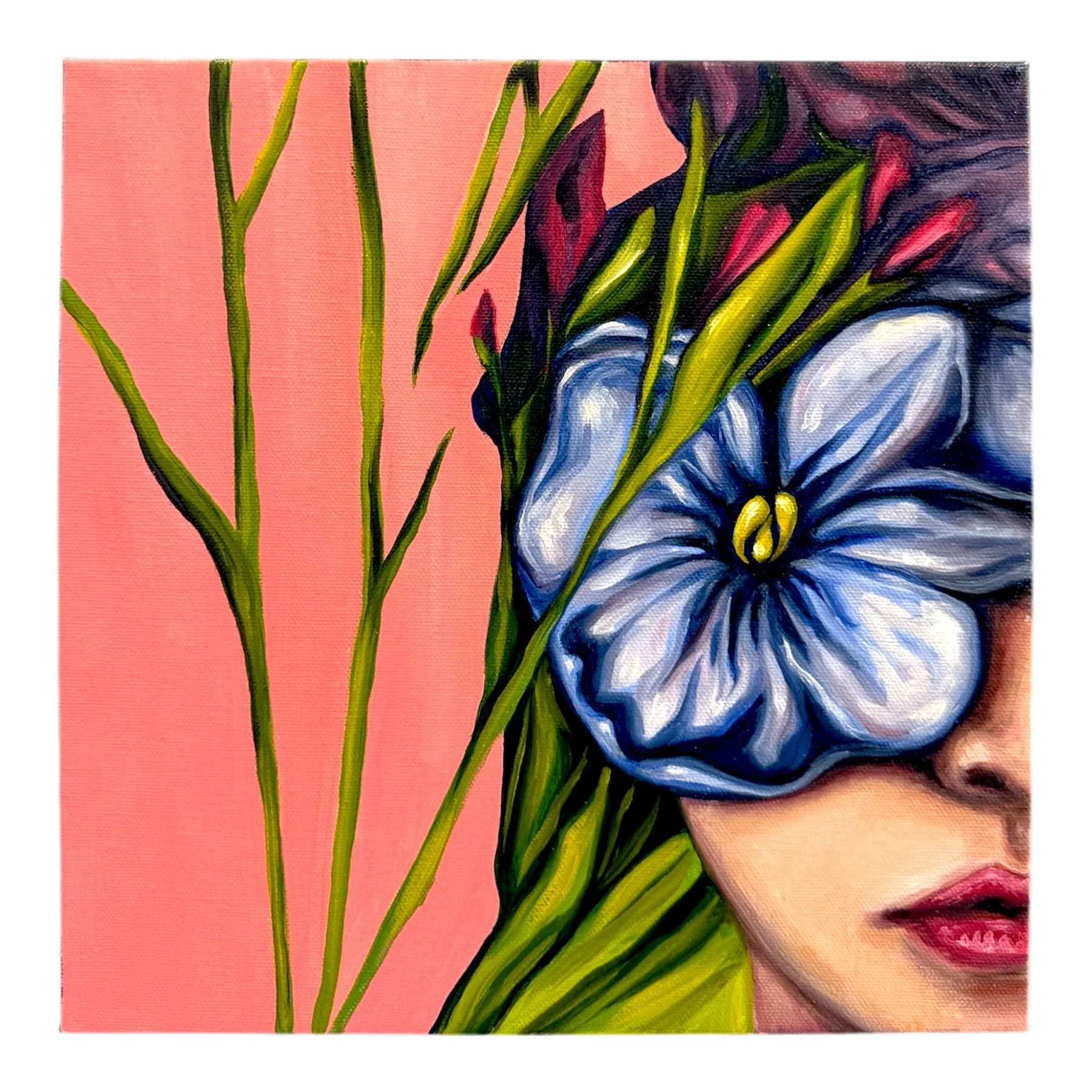

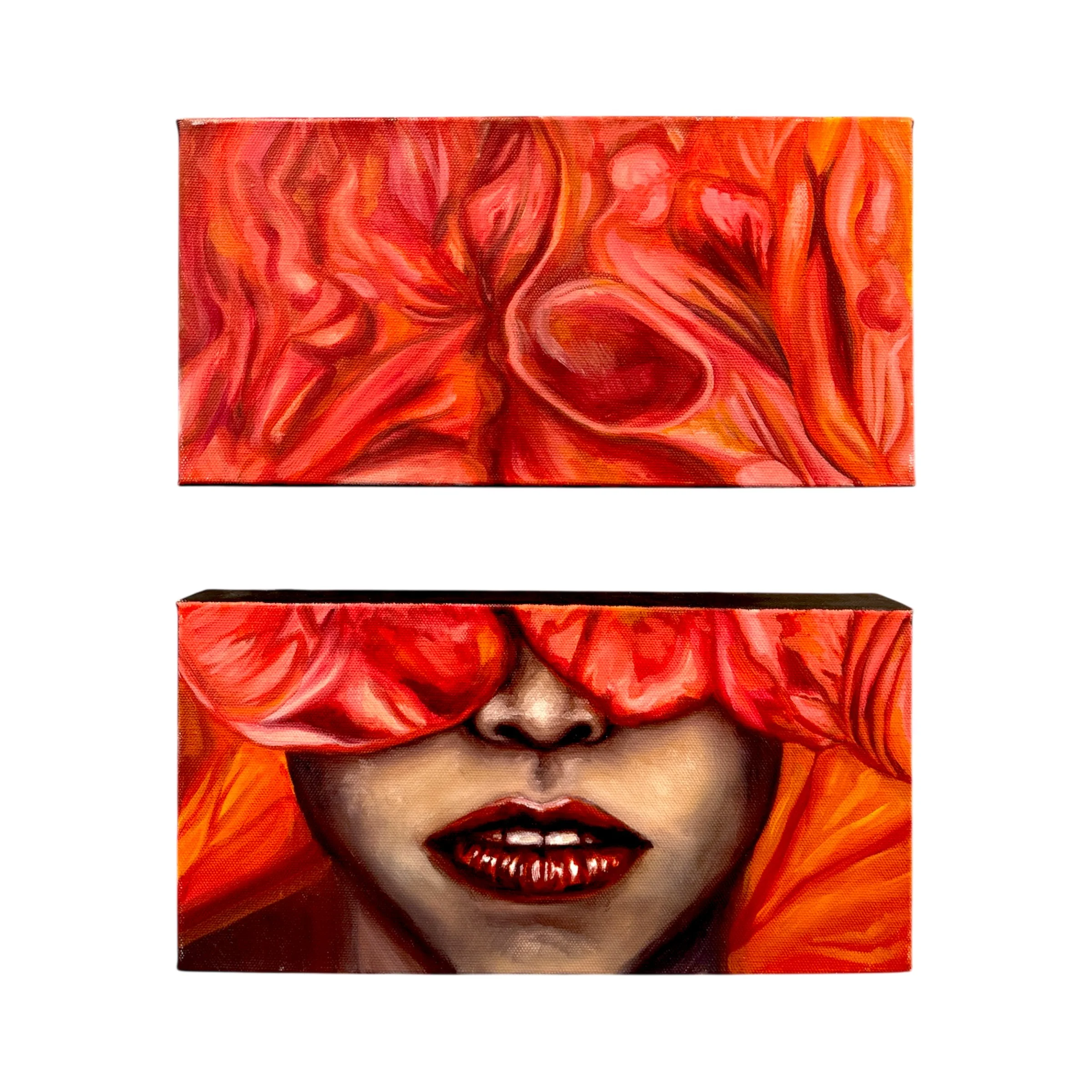
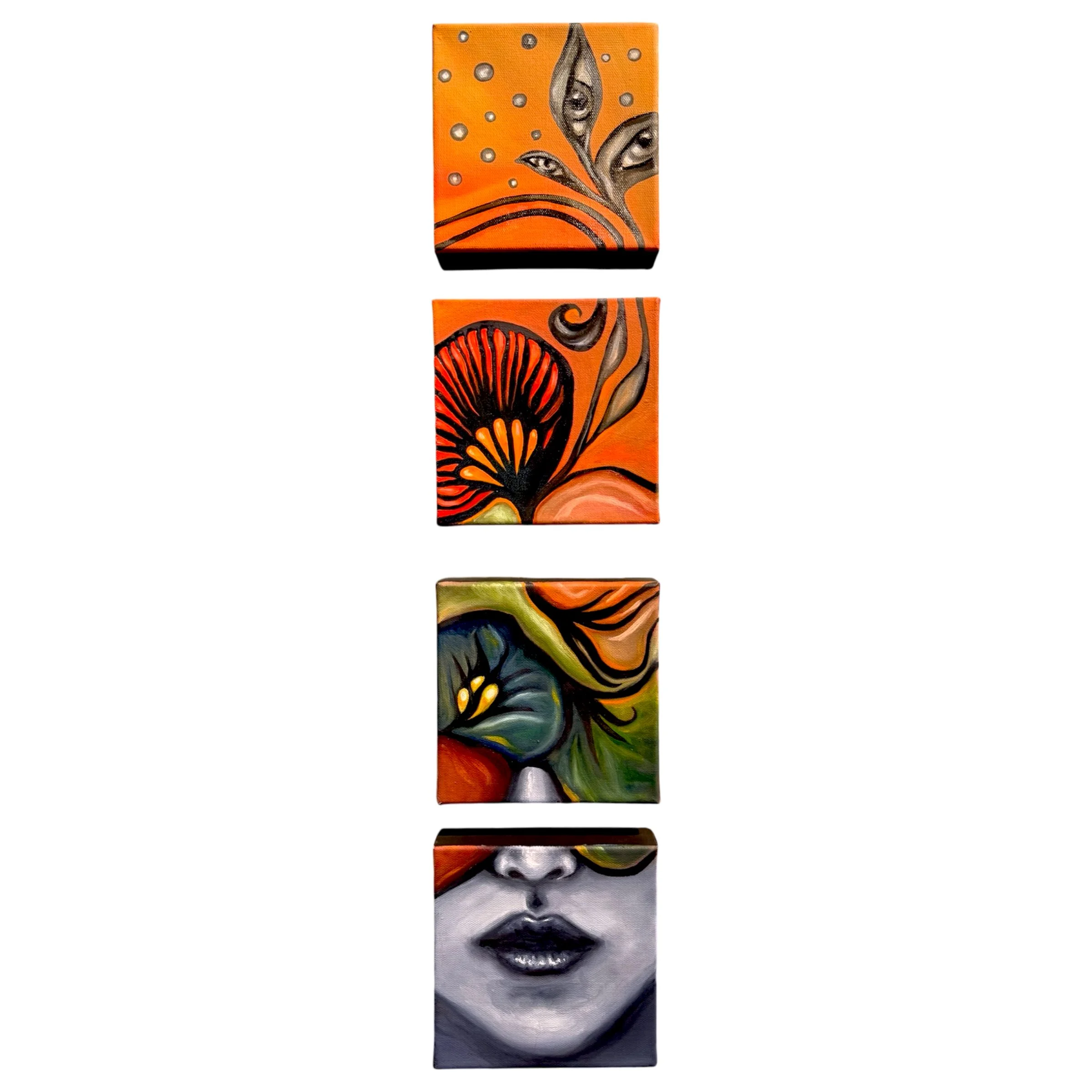

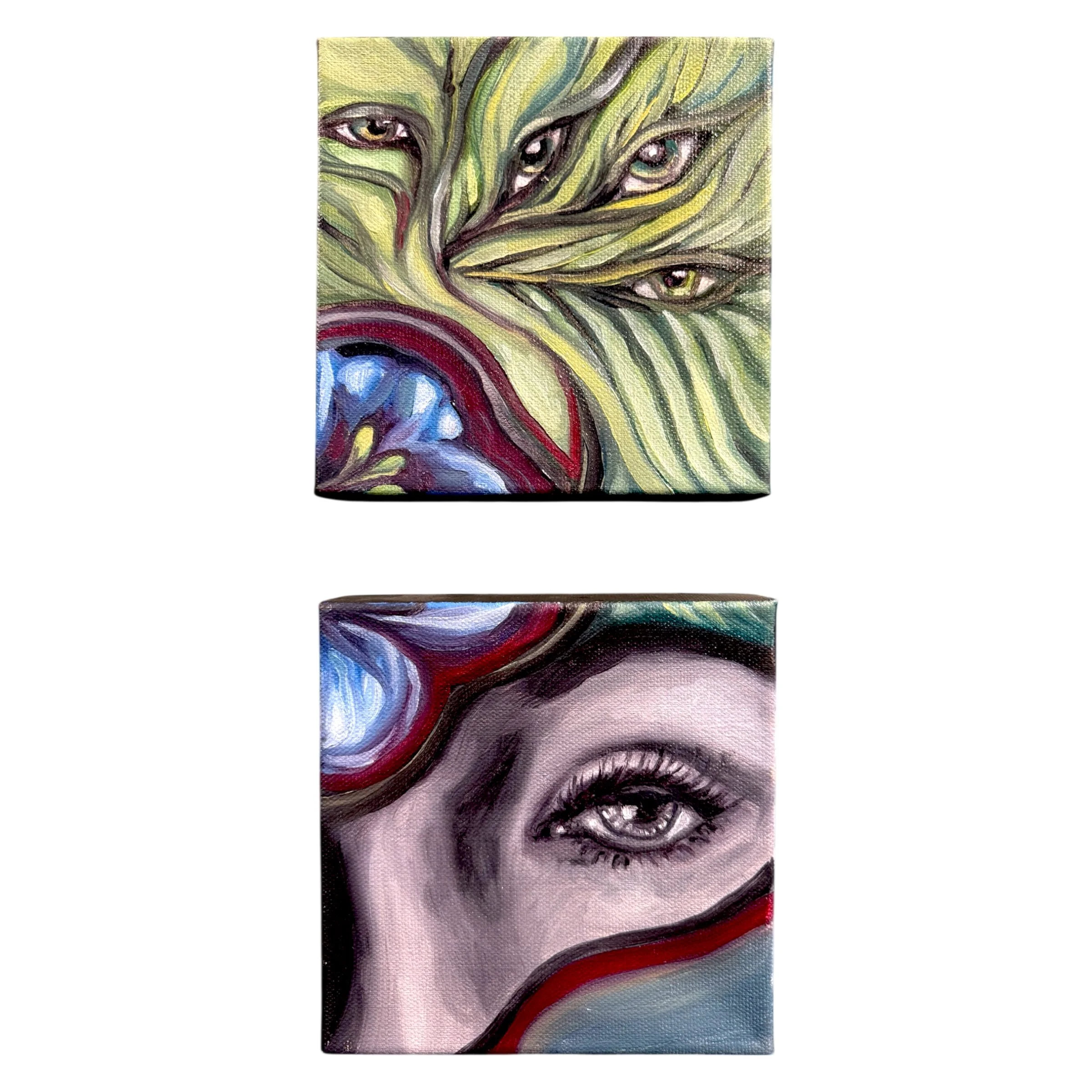


MARK FELDMAN
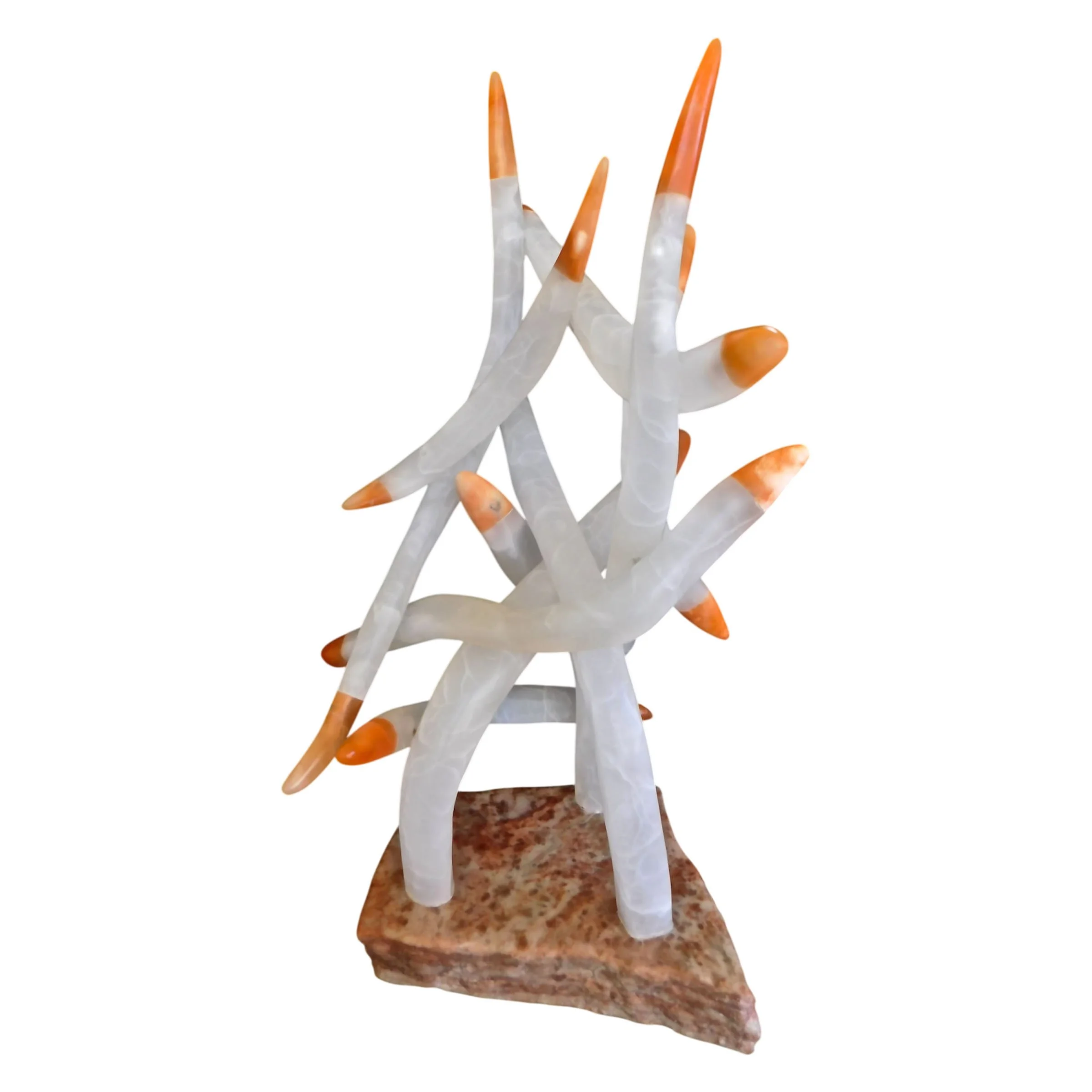
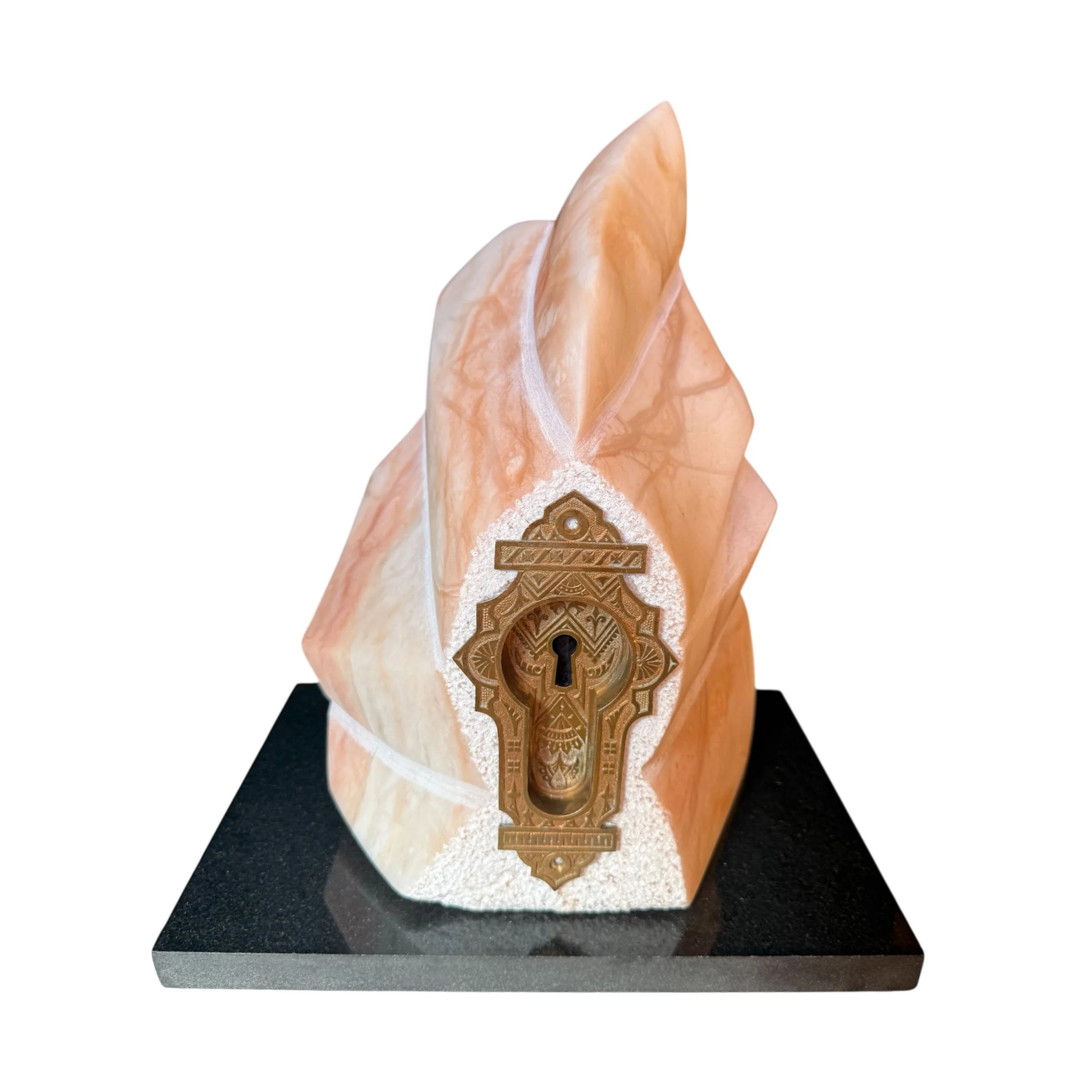
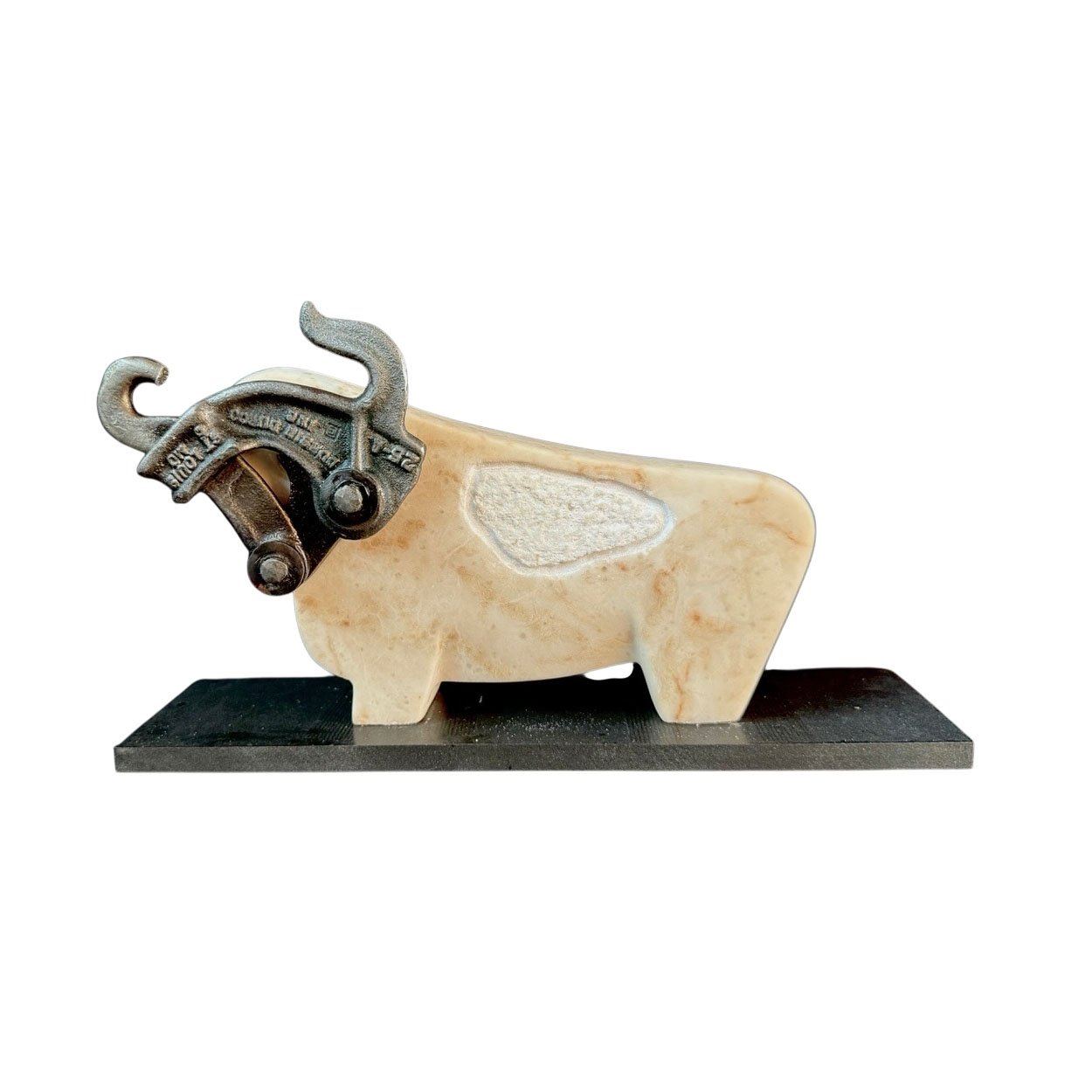
My goal is to place strong organic forms and solid rock in direct juxtaposition to stimulate imagination and memory. The contrast between the natural and the man-made, the rough and the smooth, the new and the old, are what give emotional content to my work. I want my sculptures not only to be viewed, but to be touched and pondered. A sculpture succeeds when it elicits unique and strong feelings, images, and memories in each viewer.
For most artists, the most difficult moment is the first brush stroke or, in the case of a stone sculptor, the first chip of the chisel or tap of the hammer. For me, this blank canvas calls for “direct carving.”
I start by eliminating the weak or rough parts of the stone that might cleave off. When only the strong, beautiful stone is left, the “conversation” with the stone begins. The interplay of shapes – and sometimes found iconic objects - leads me to form, composition, and meaning. With pencil, I often draw designs directly on the stone. As I move the tools around, the stone tells me what to remove and what to save.
Since coming to New Mexico in 1975 to attend the UNM School of Architecture, I have had a deep interest in three-dimensional design. In the hundreds of homes I have designed and built, my touchstone has always been sculptural form, regional materials and a loyalty to unique Southwestern approaches. I started my journey into stone carving in 1997 and have followed the same themes in my art. I was taught to carve stone by several indigenous and local sculptors, especially the accomplished and generous sculptor and teacher, Rollie Grandbois of the Turtle Mountain Chippewa. My main focus has been the interplay between abstract design, beautiful and intricate objects of the Machine Age and Southwestern artistic traditions.
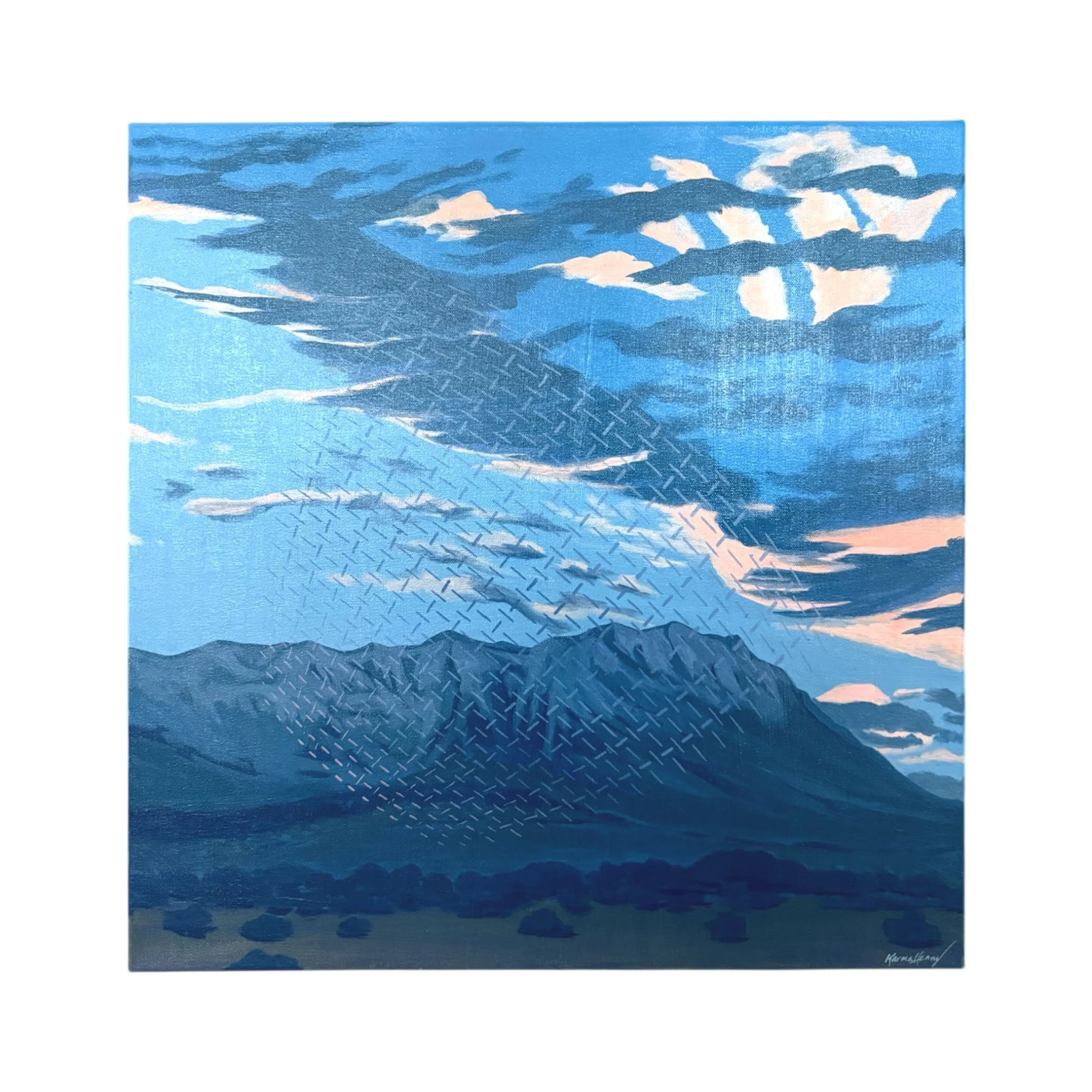
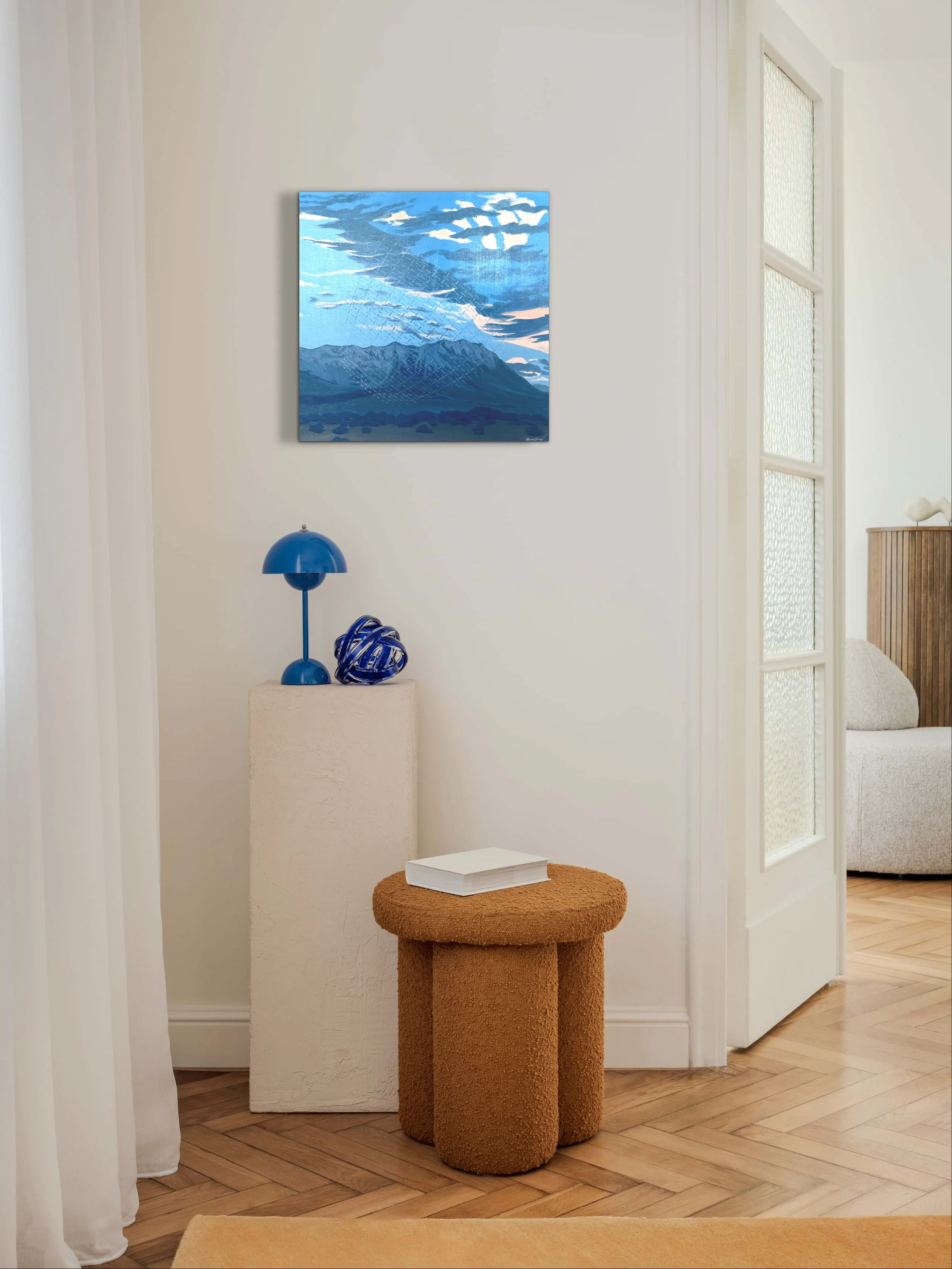
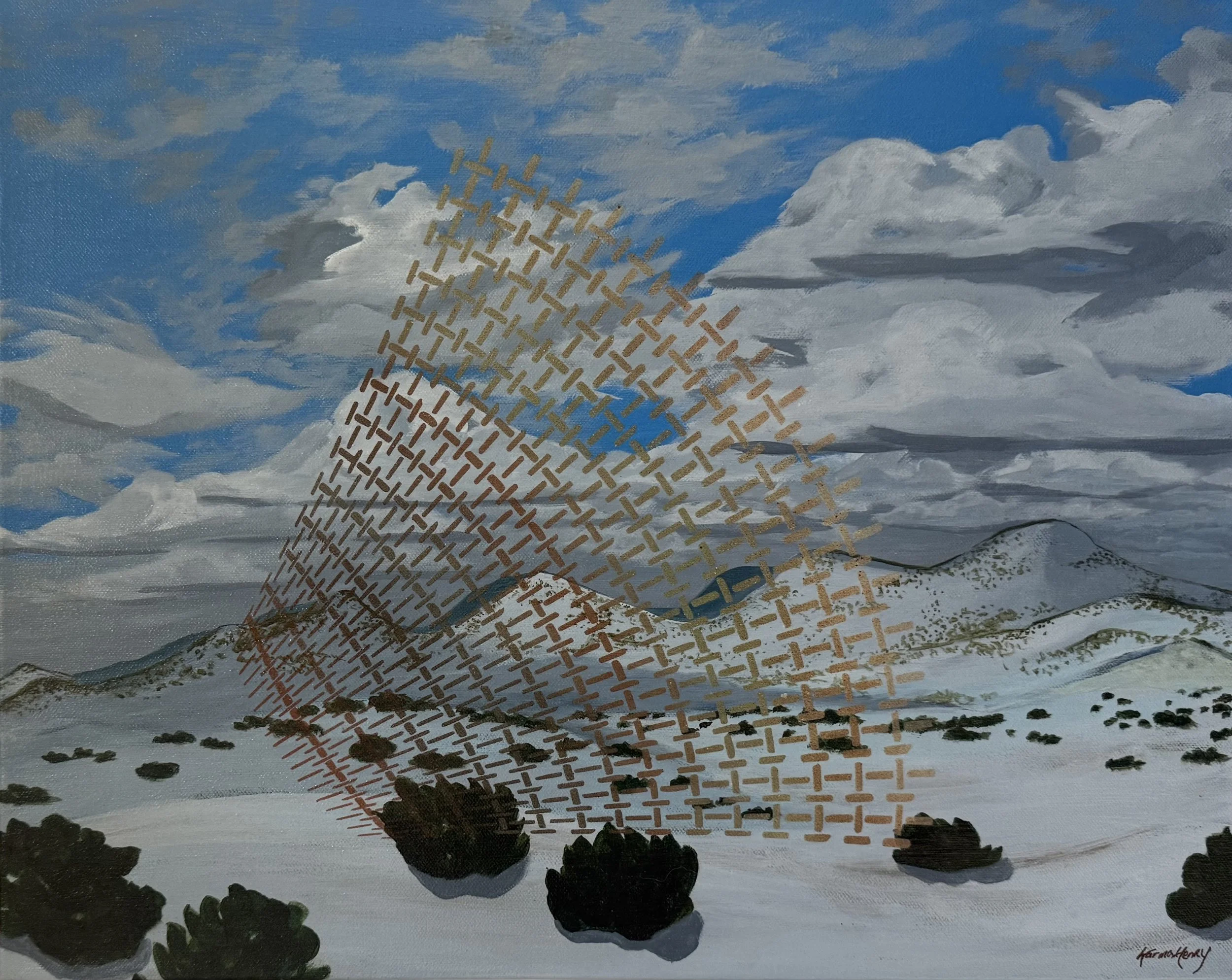
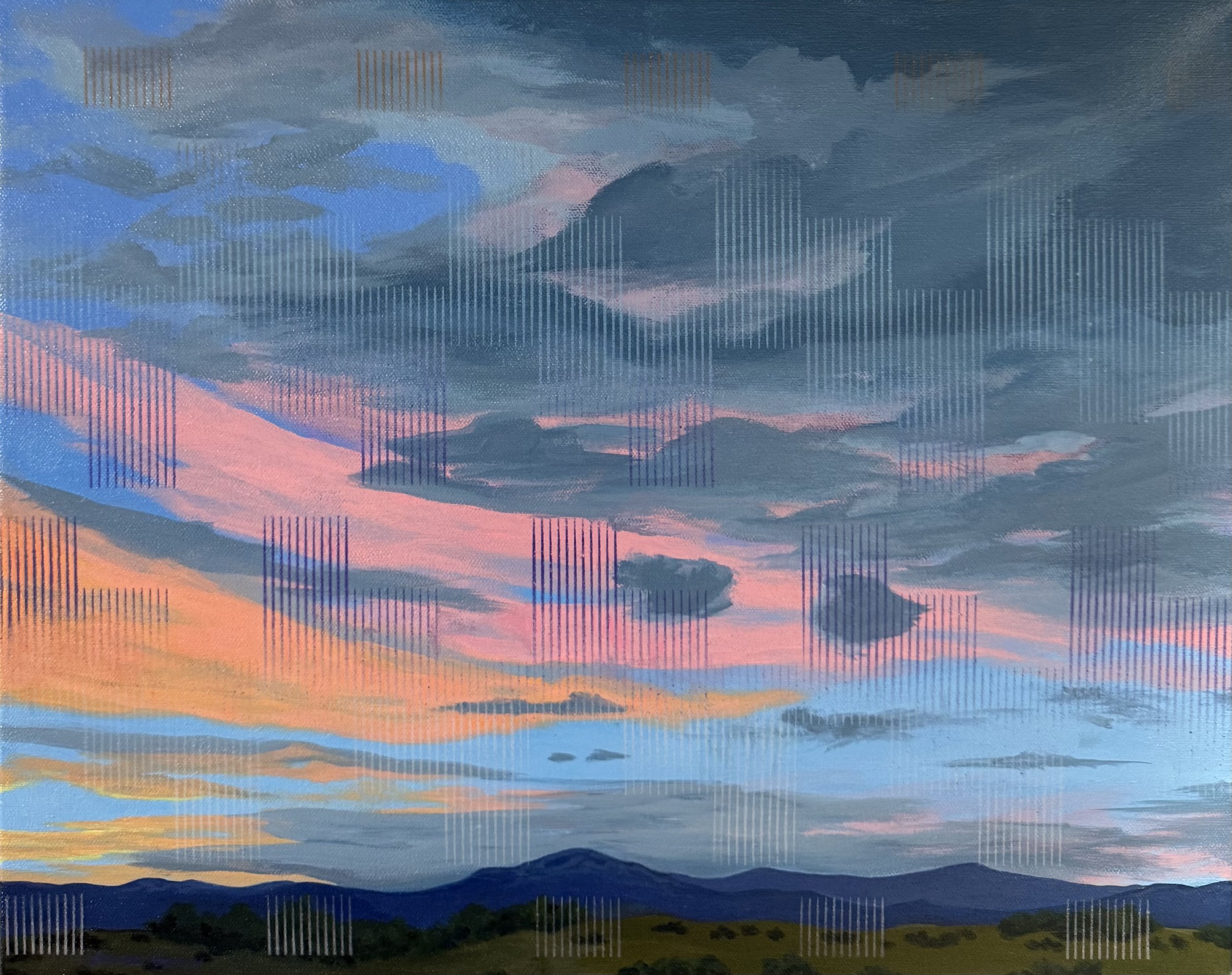
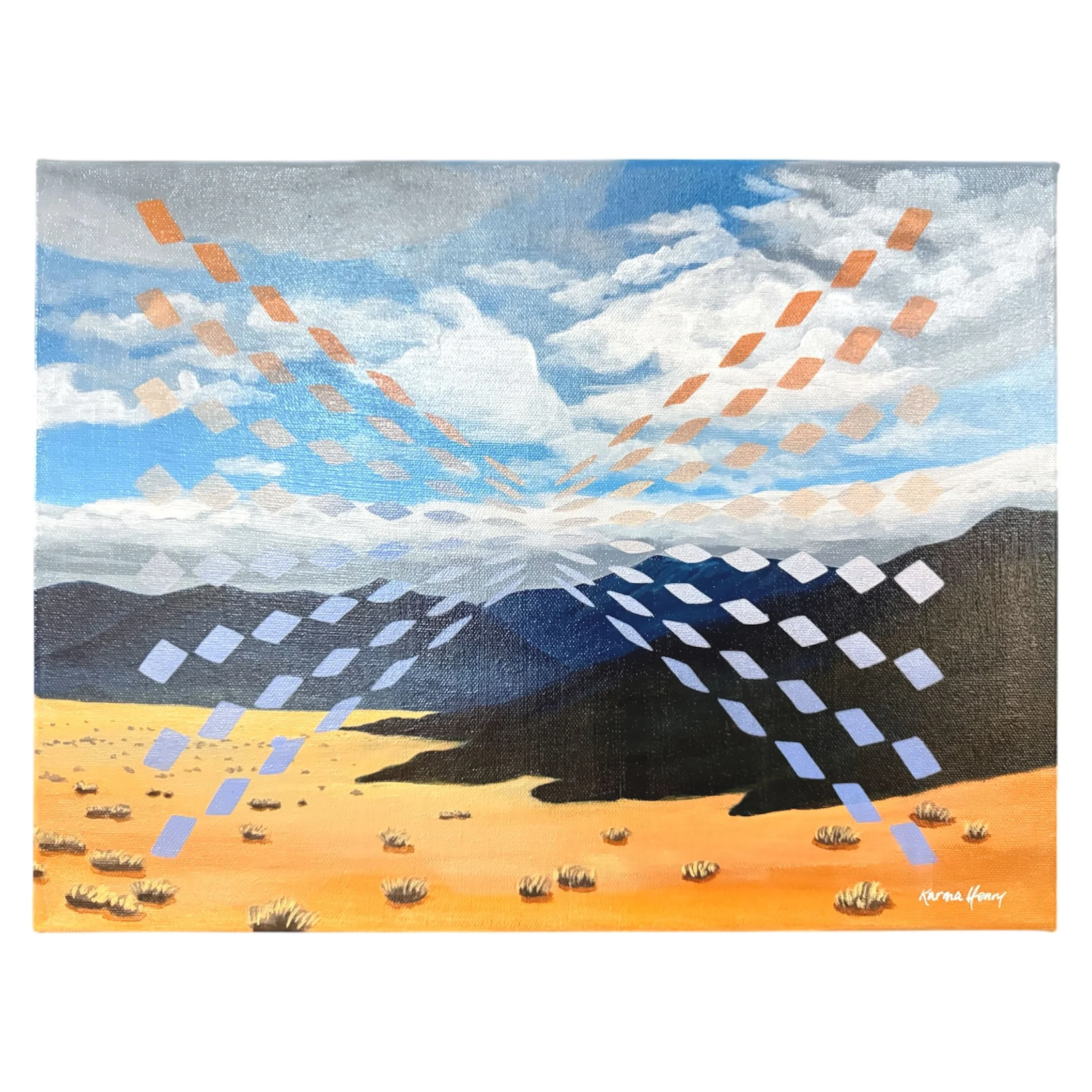
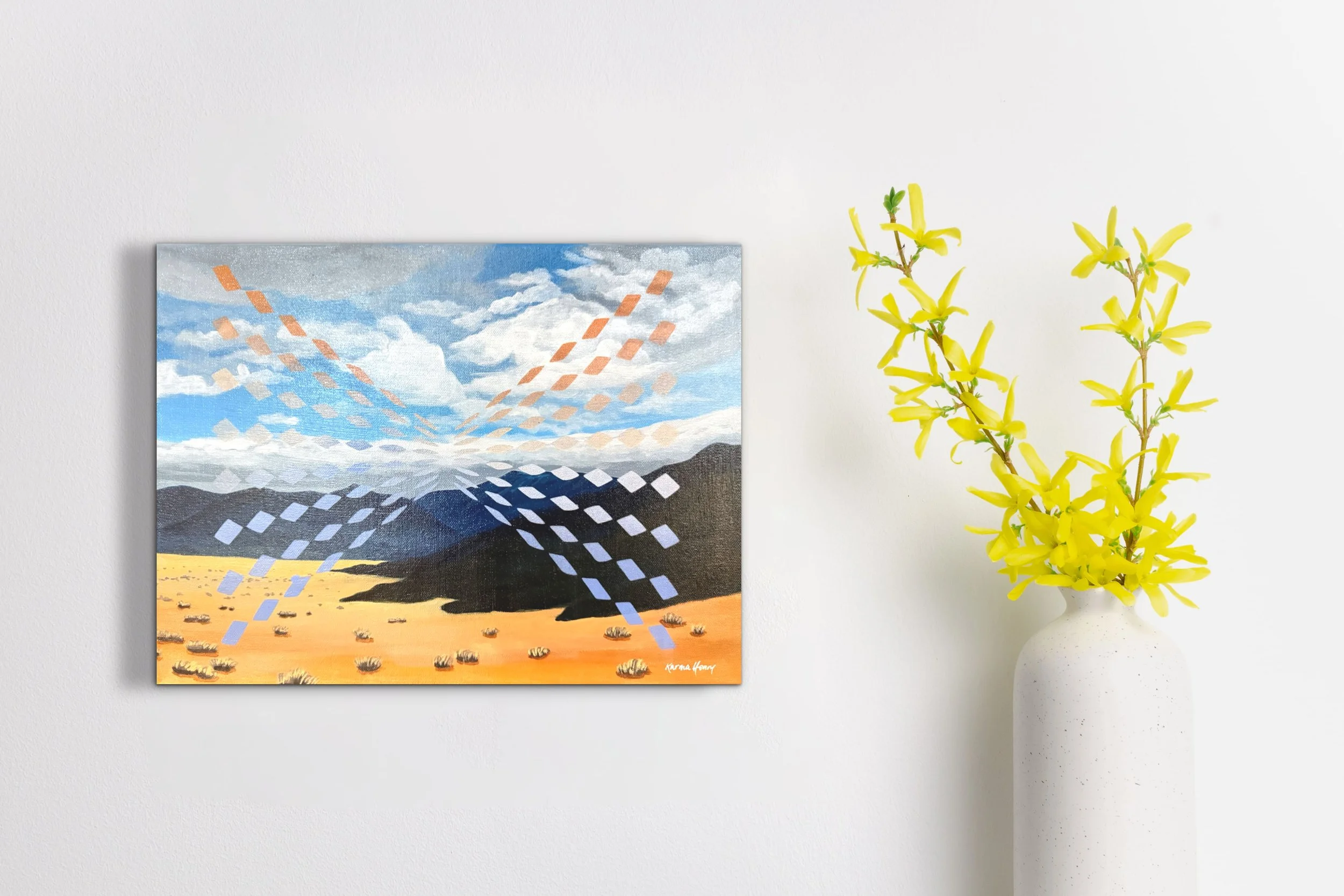
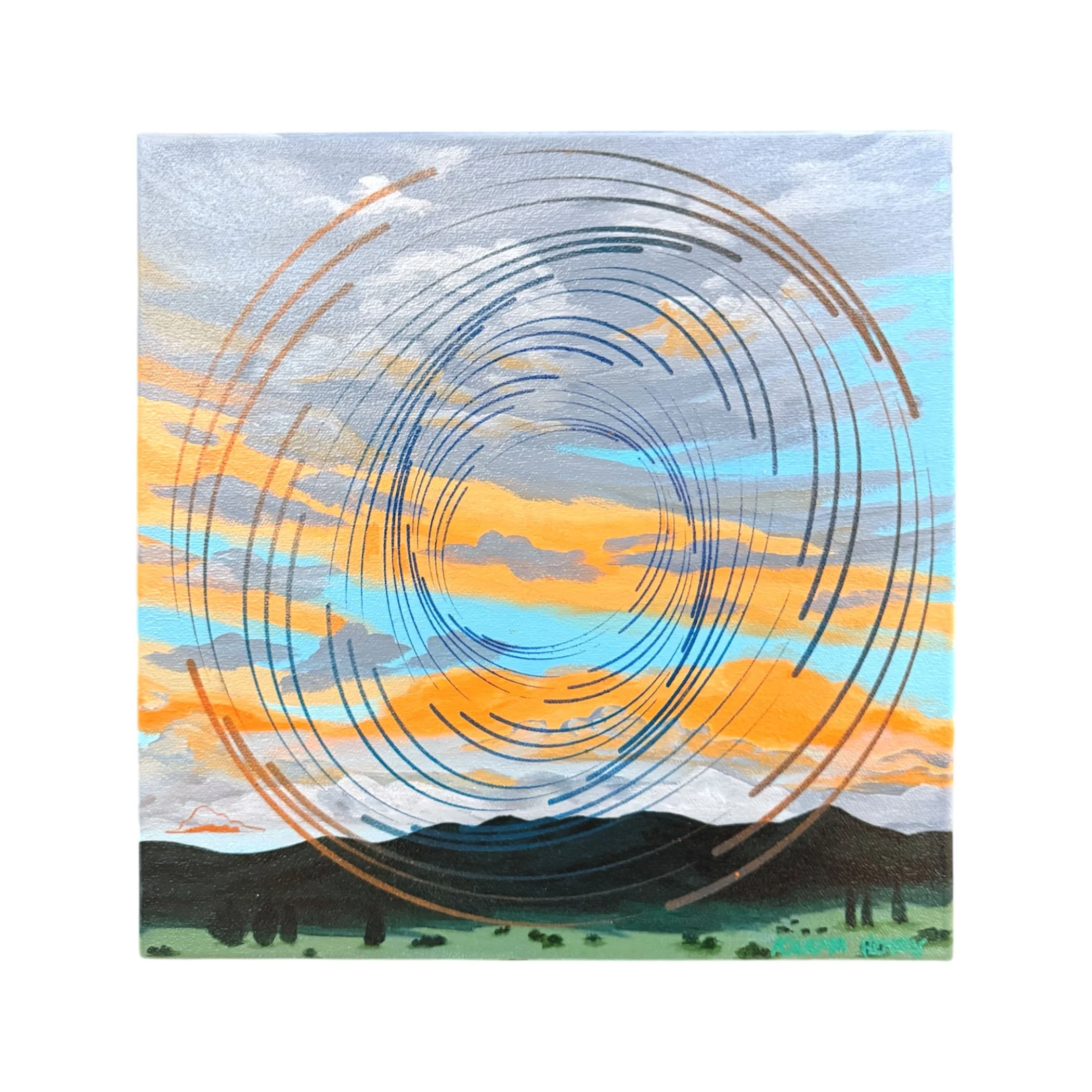
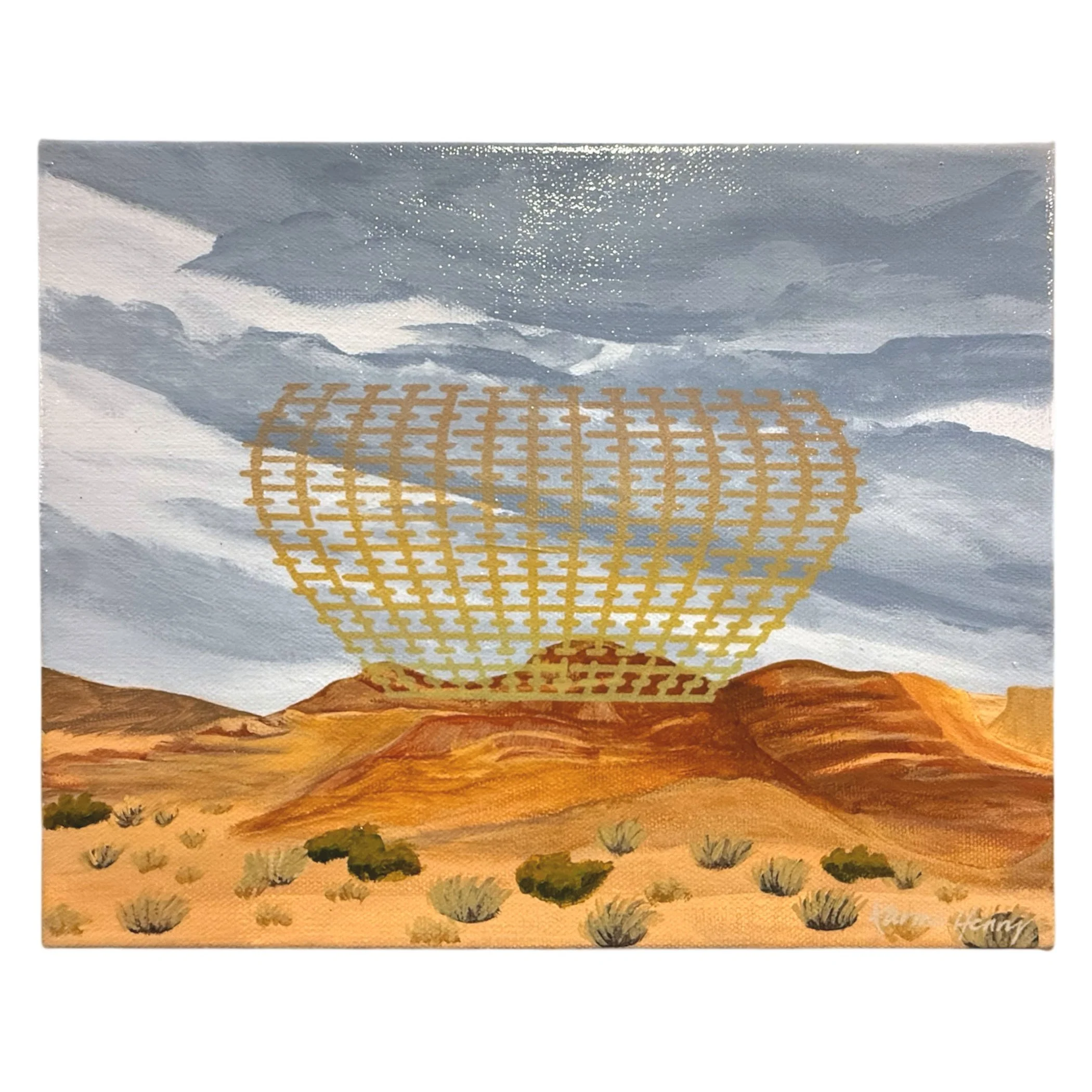
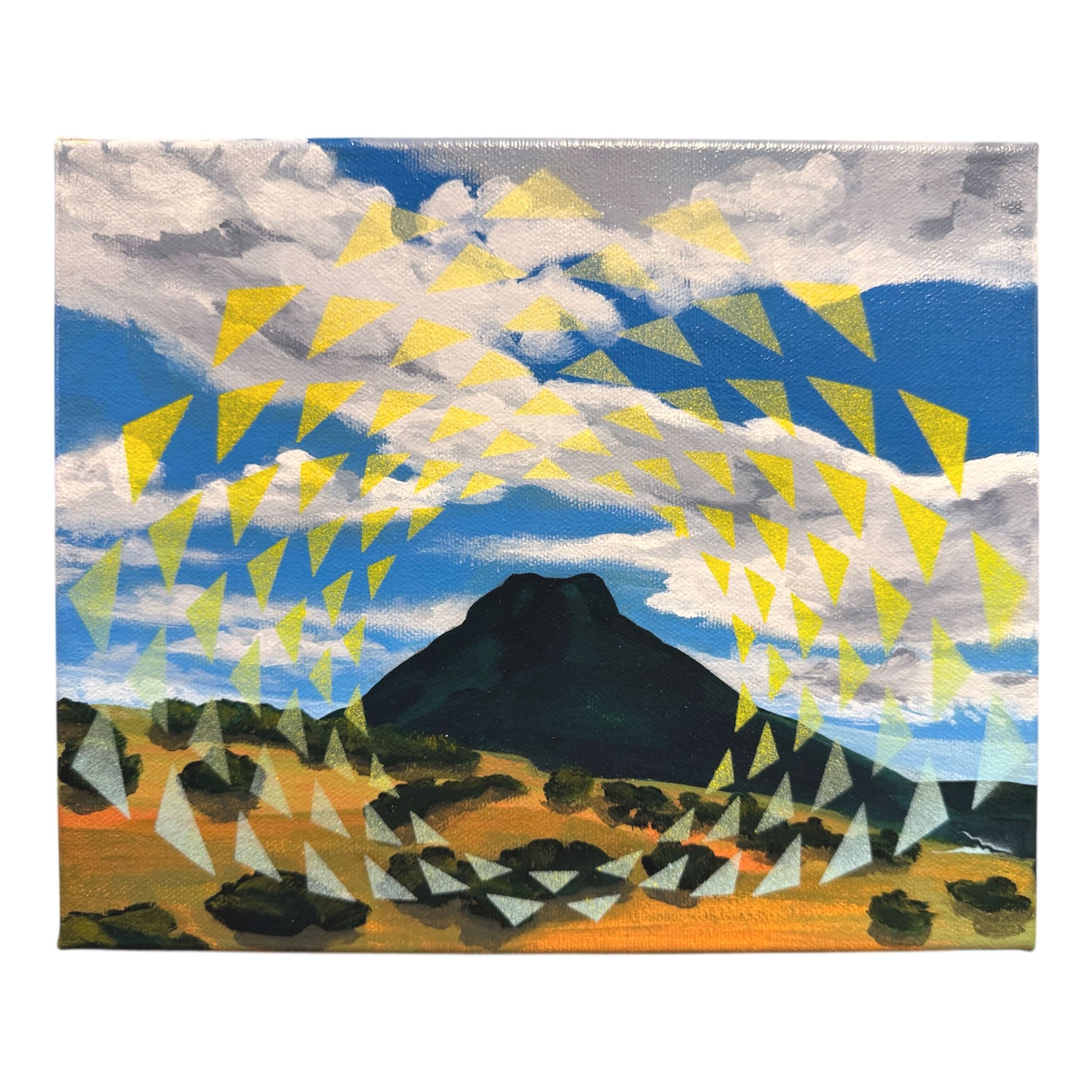
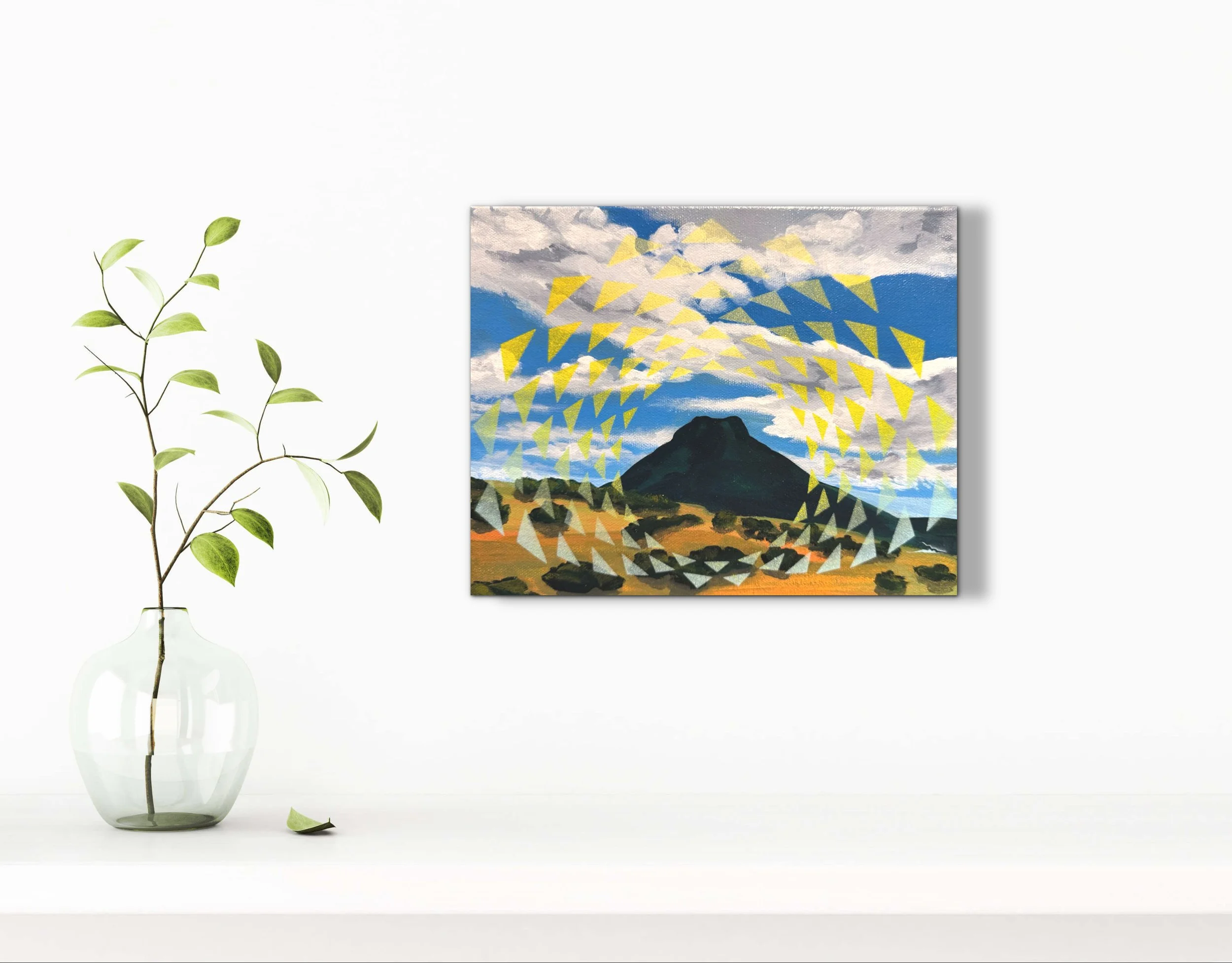
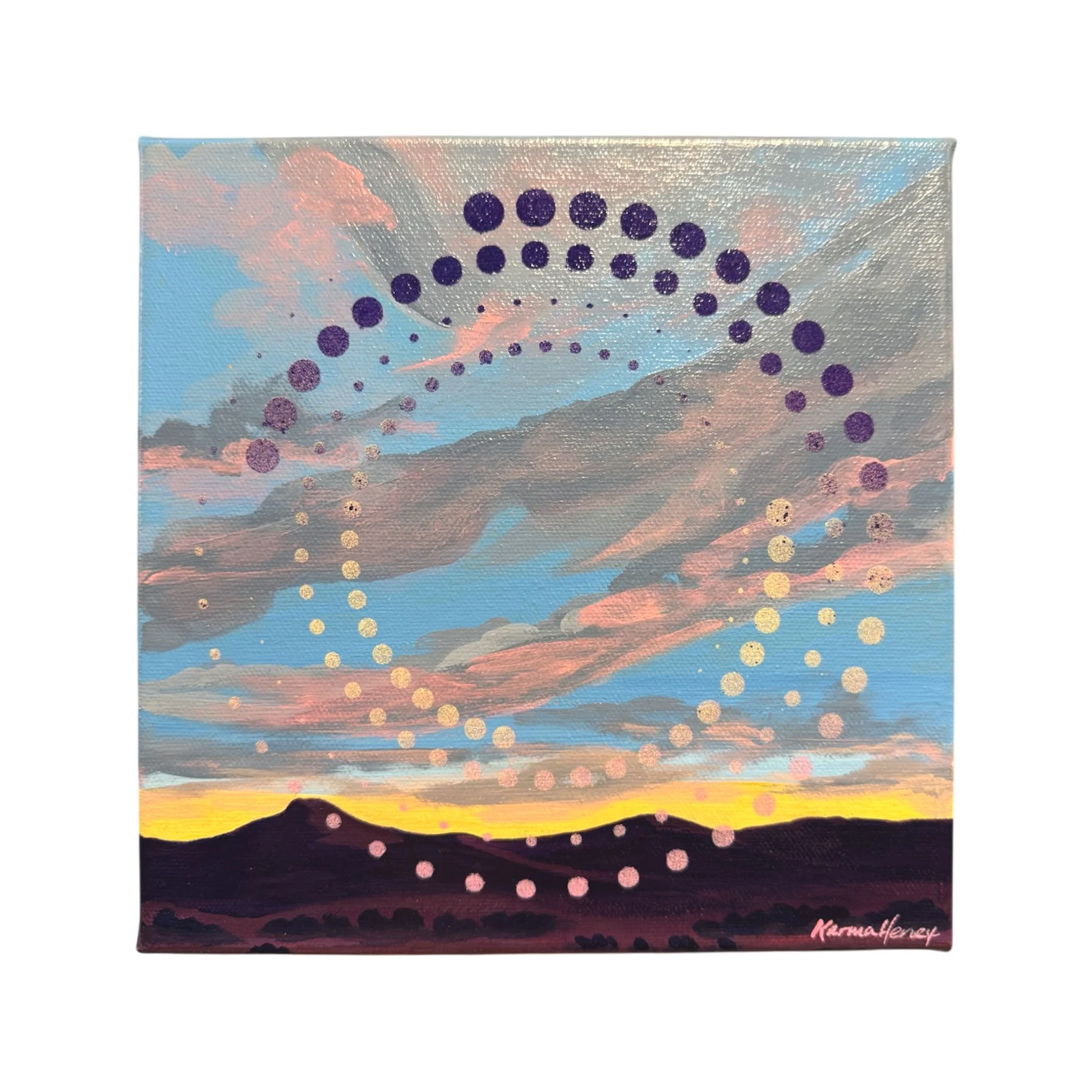
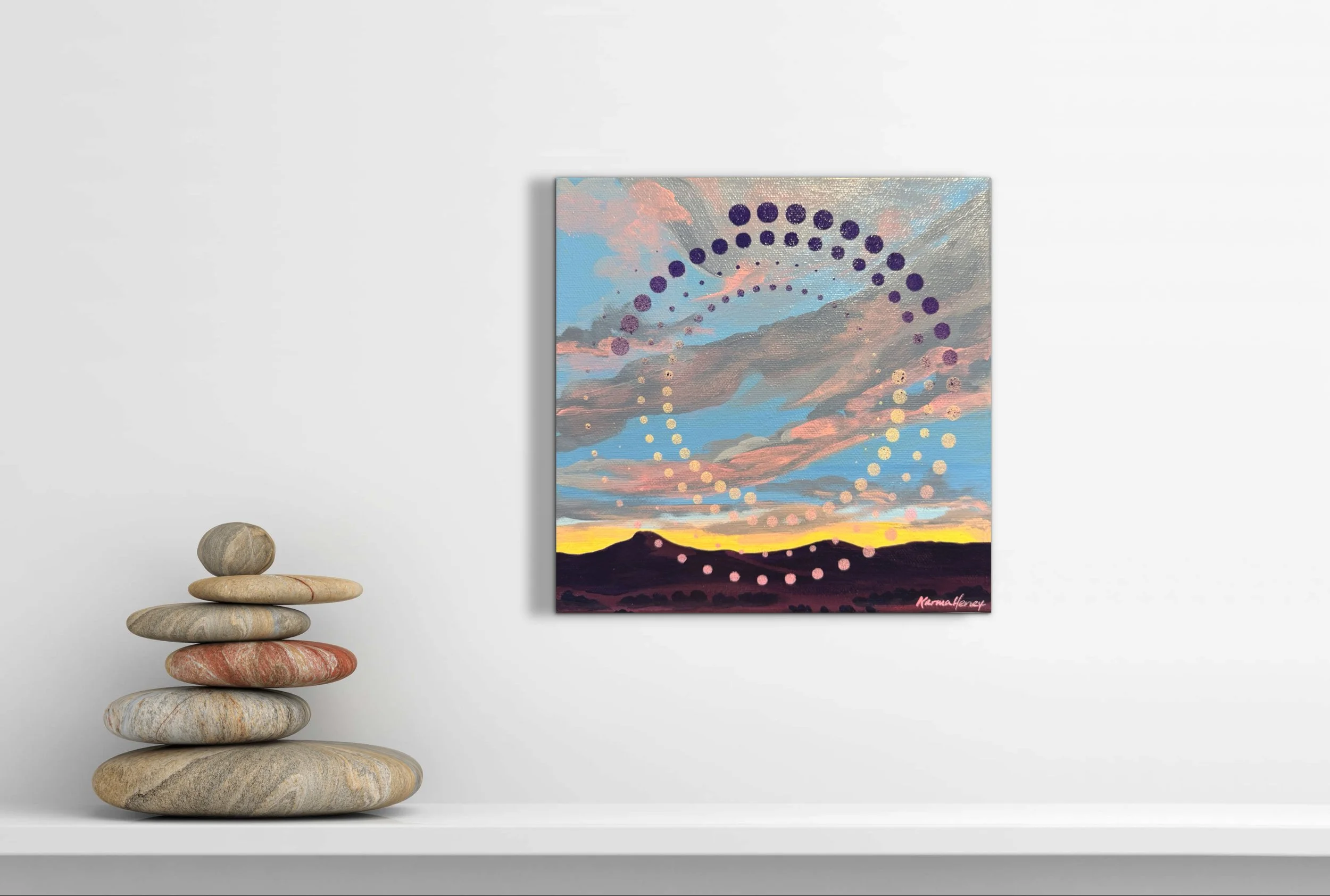
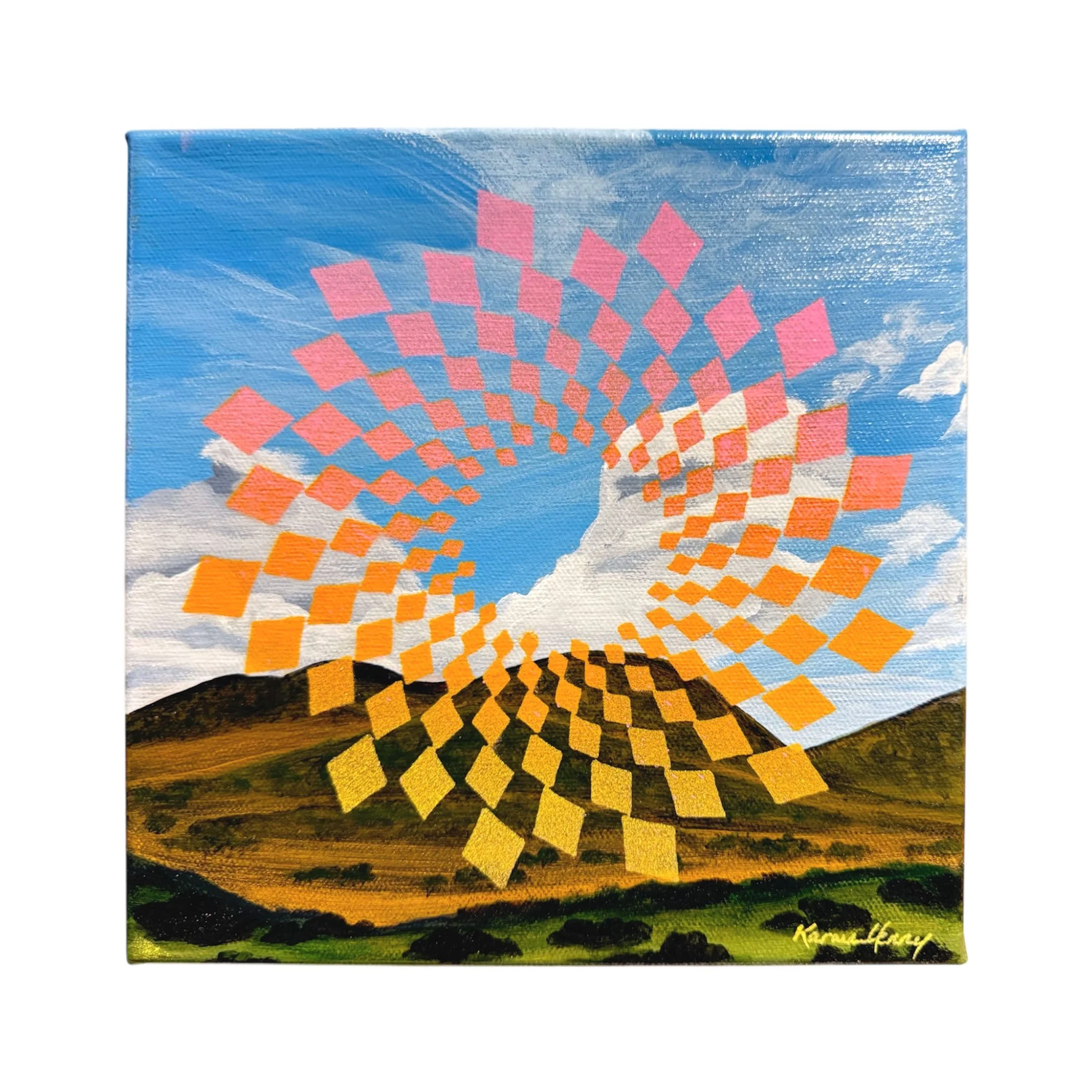
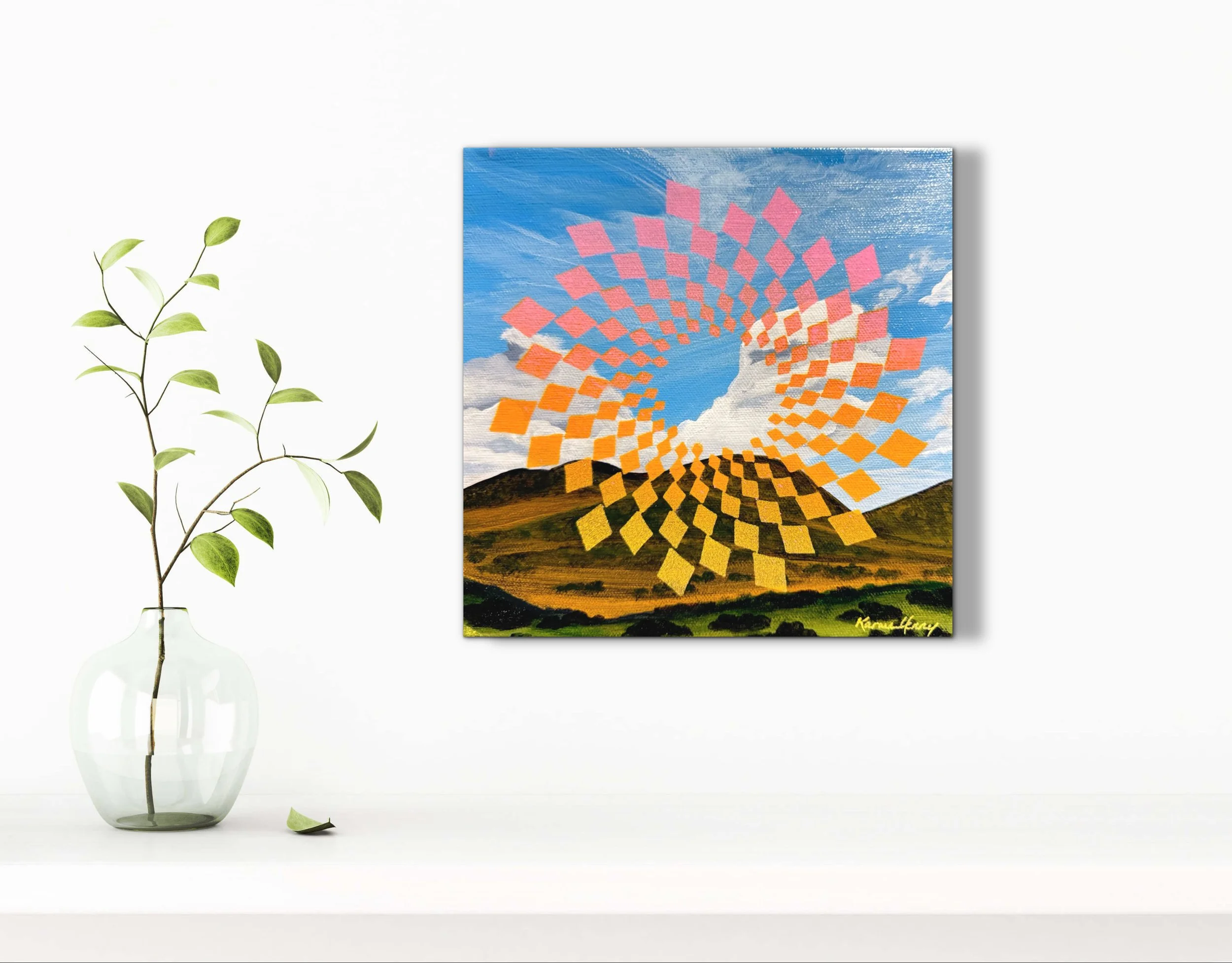
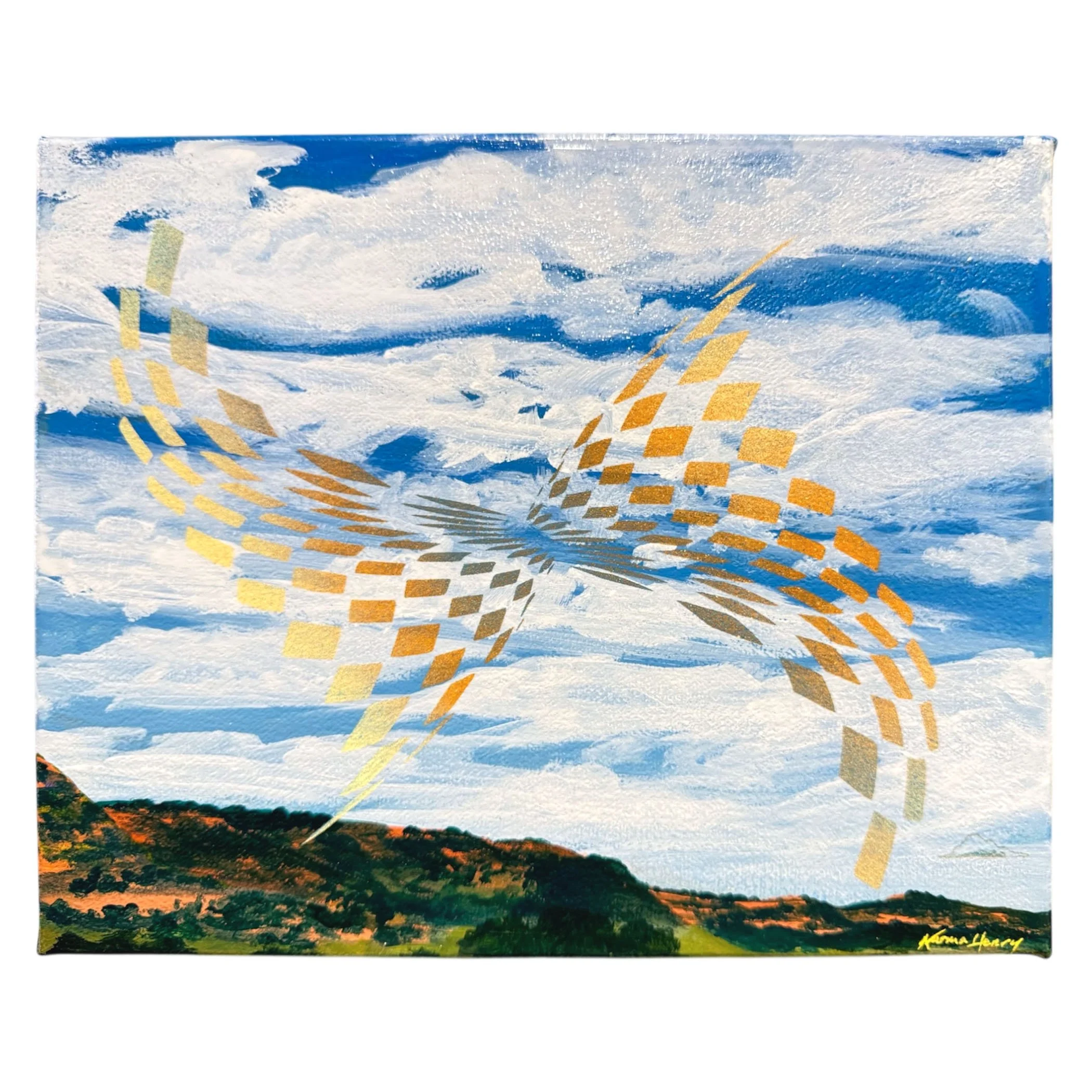
KARMA HENRY
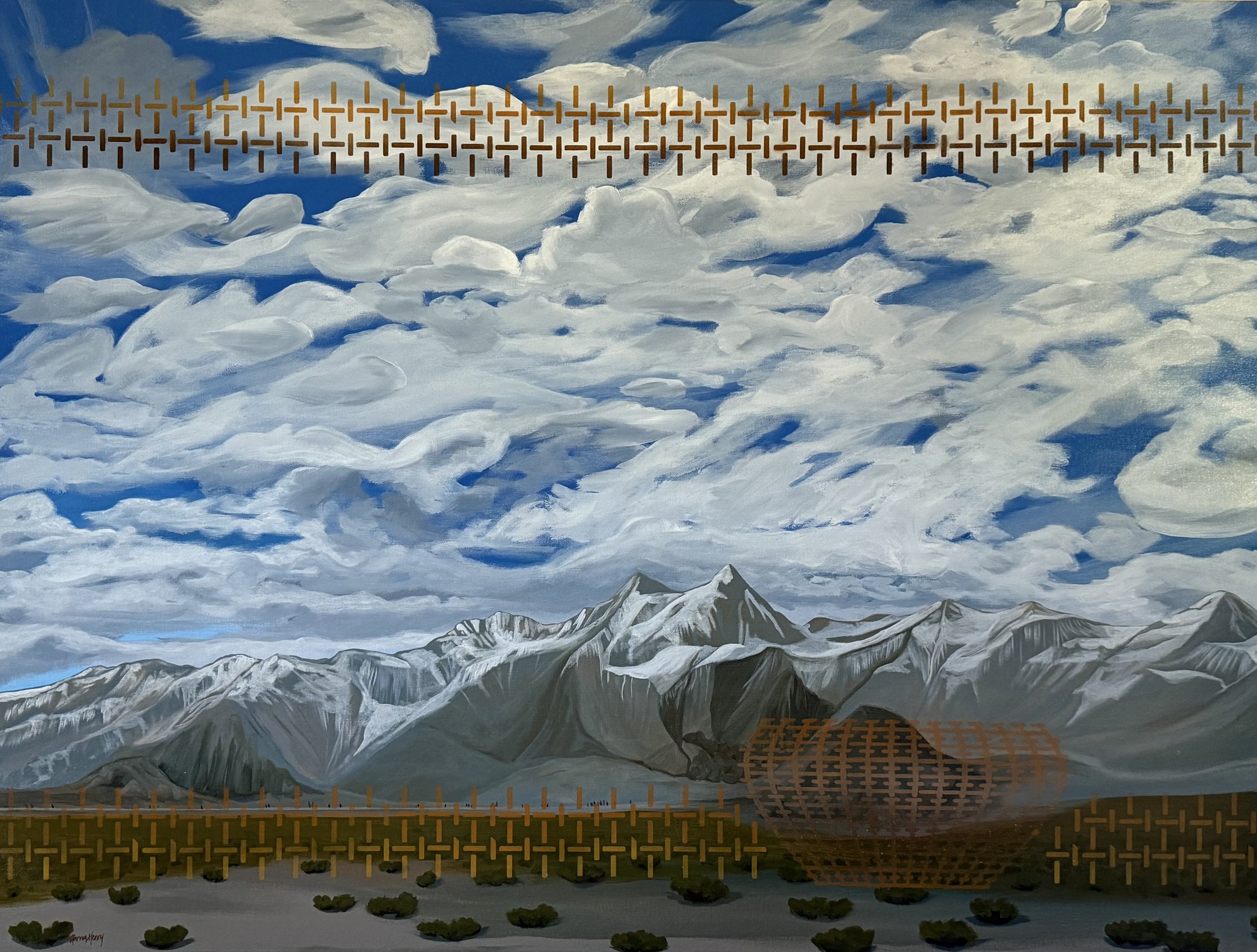
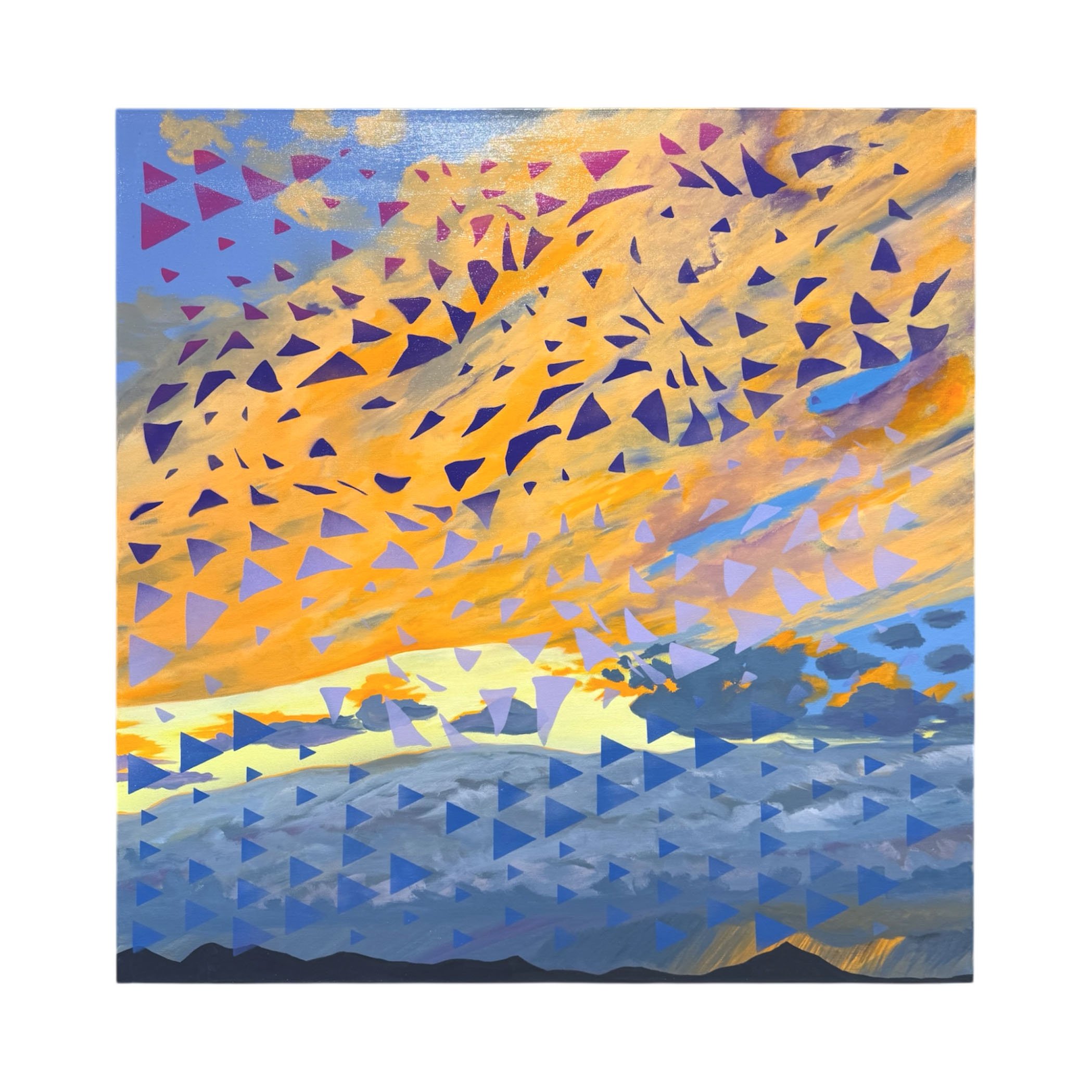
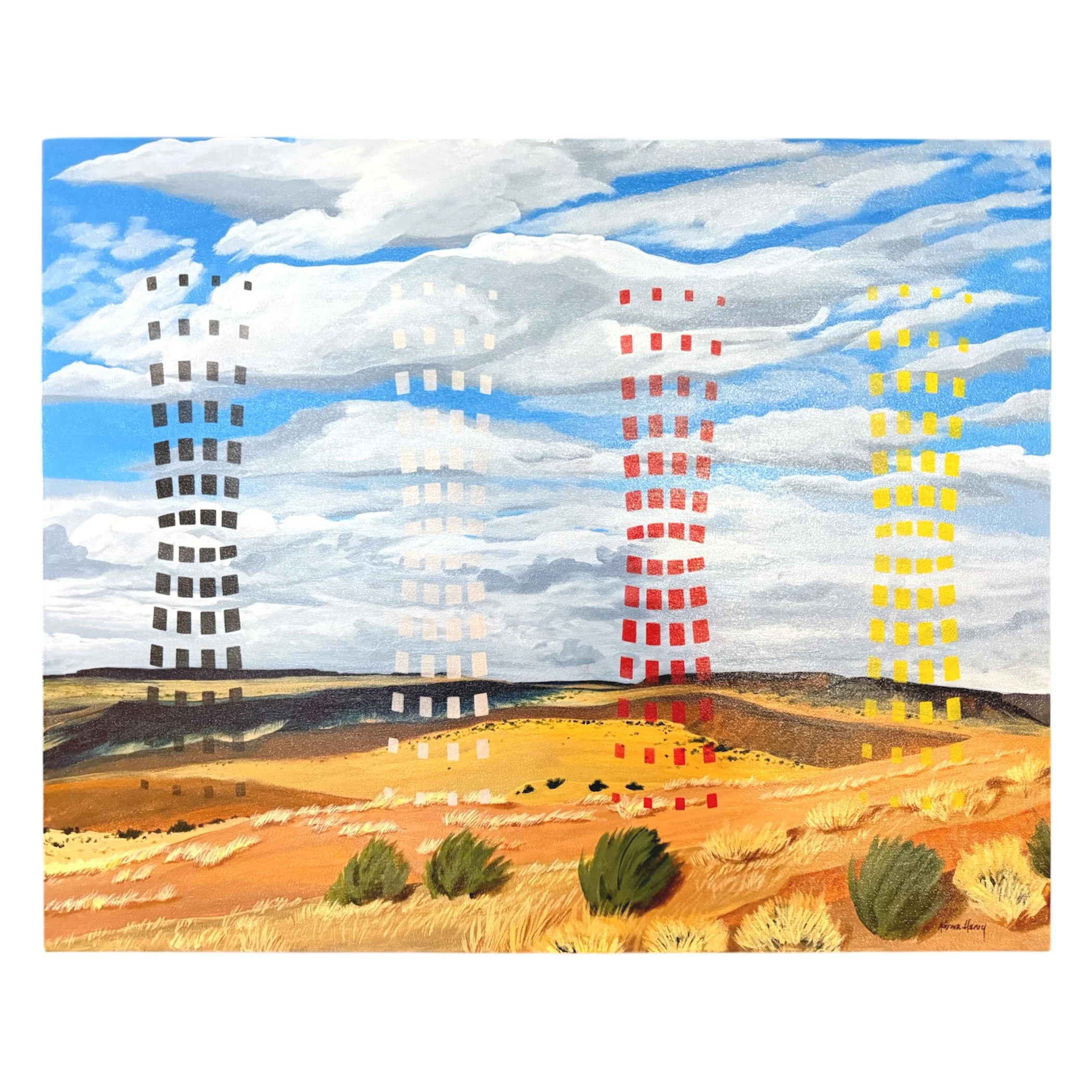
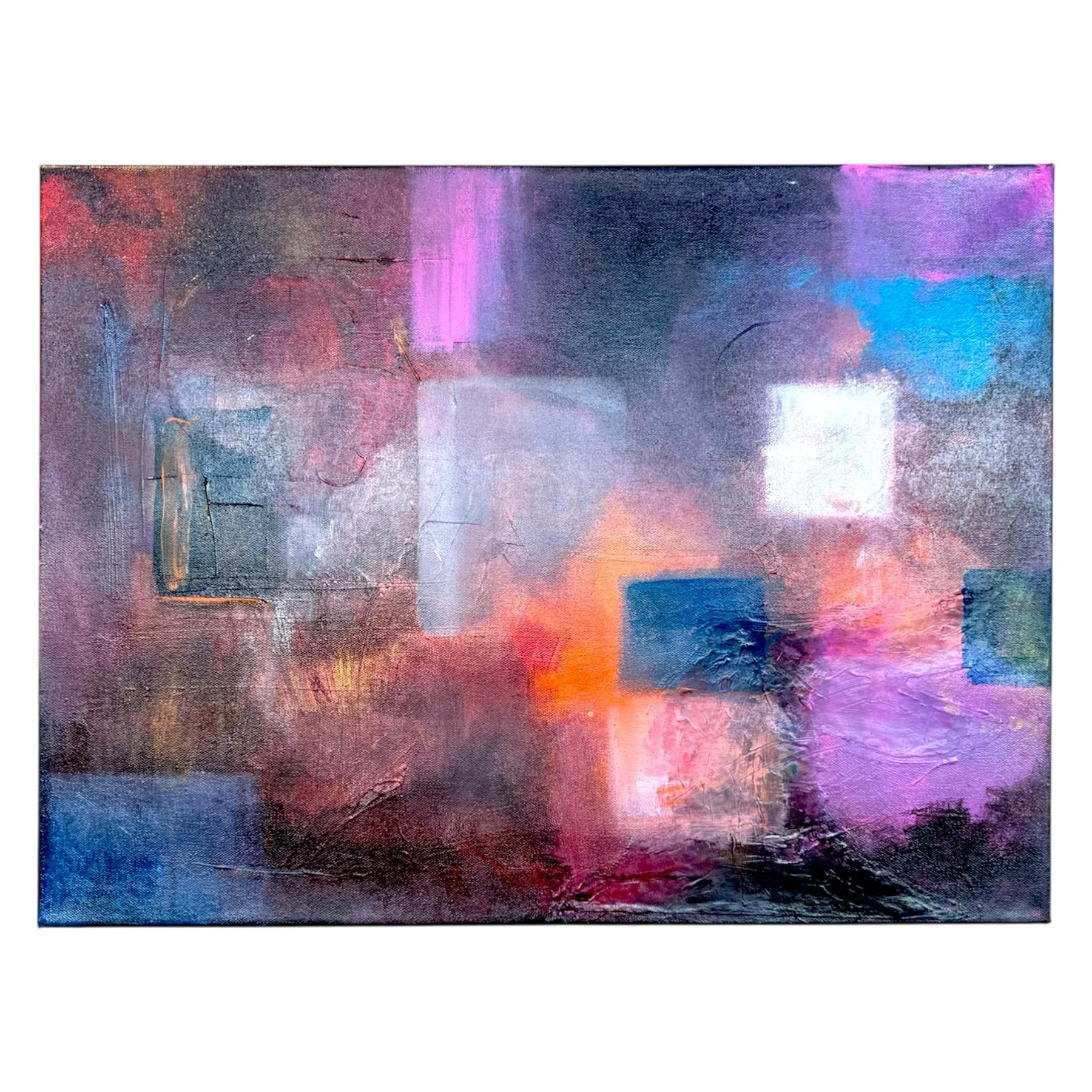
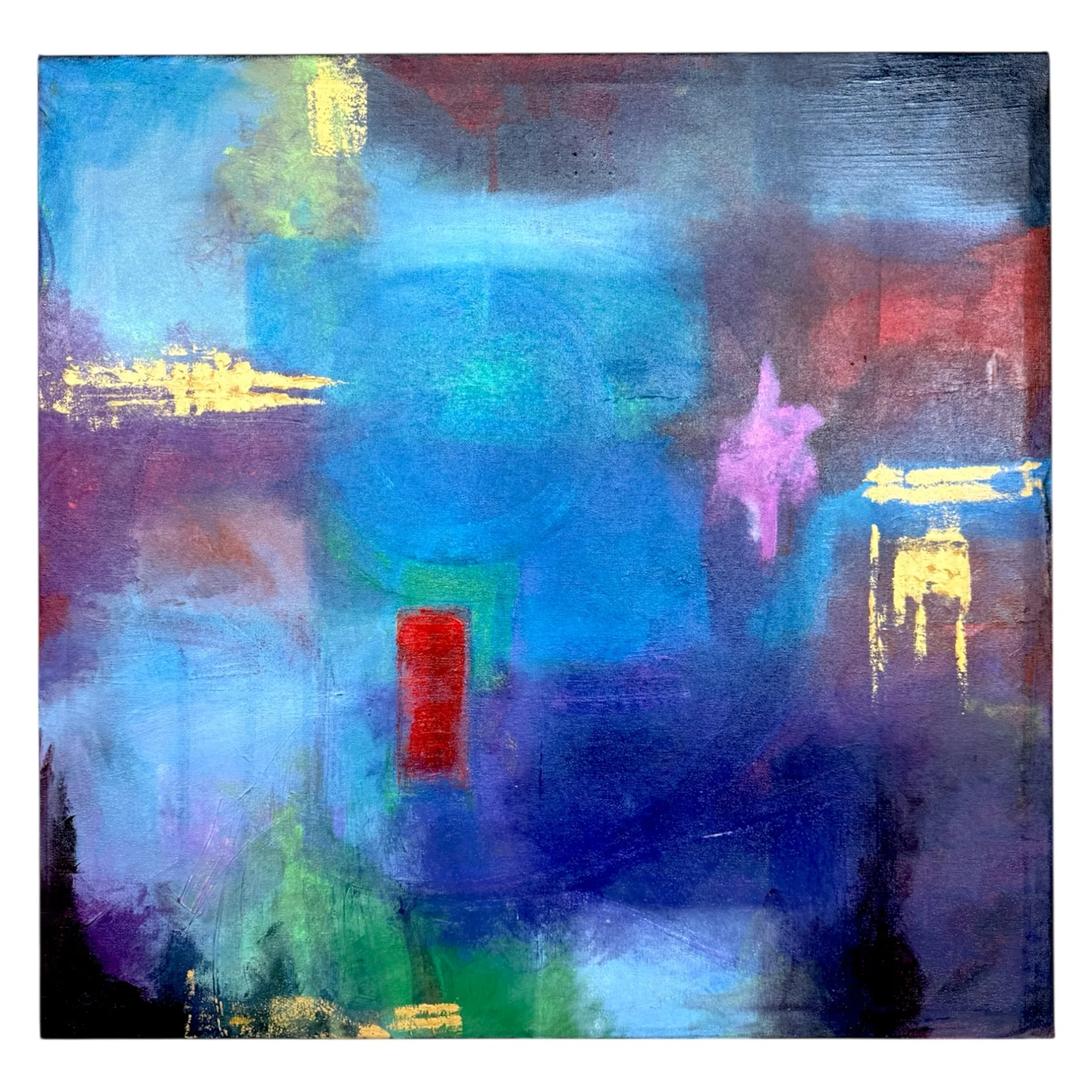
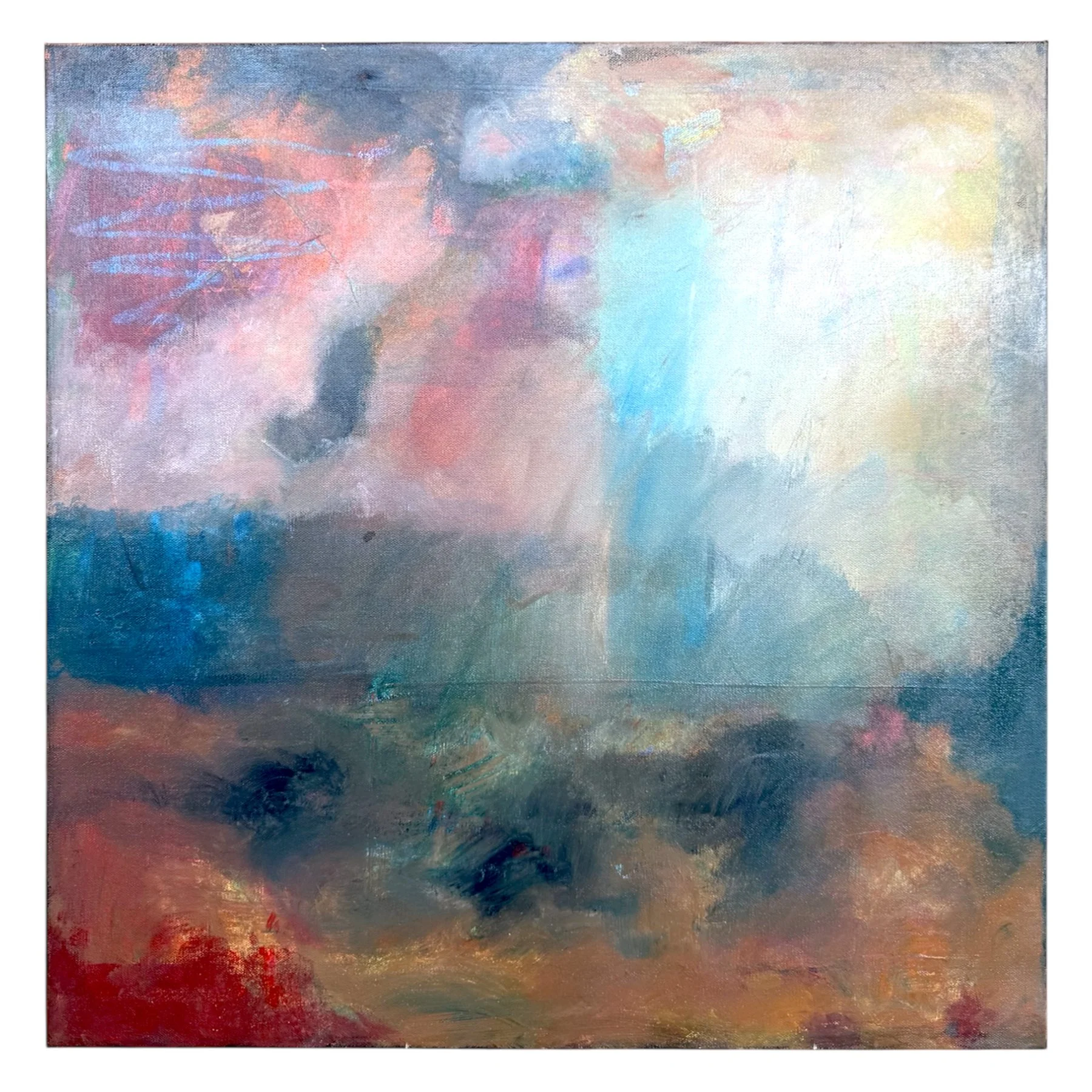
My work encompasses place, perception, pattern and movement. Place represents where I stand, literally, or where I am emotionally. Perception is what I interpret at that place. Pattern is the forefront of each piece, referencing design elements existing in these places; like Paiute basketry, geography, or skyscapes using colors from that place. The juxtaposition of these elements enhances movement between what is seen and felt, and also what shifts visually across the paintings surface.
I translate my artwork titles to Nüümü (Paiute) allowing the viewer a glimpse of what I am experiencing within.

ALEX PENA
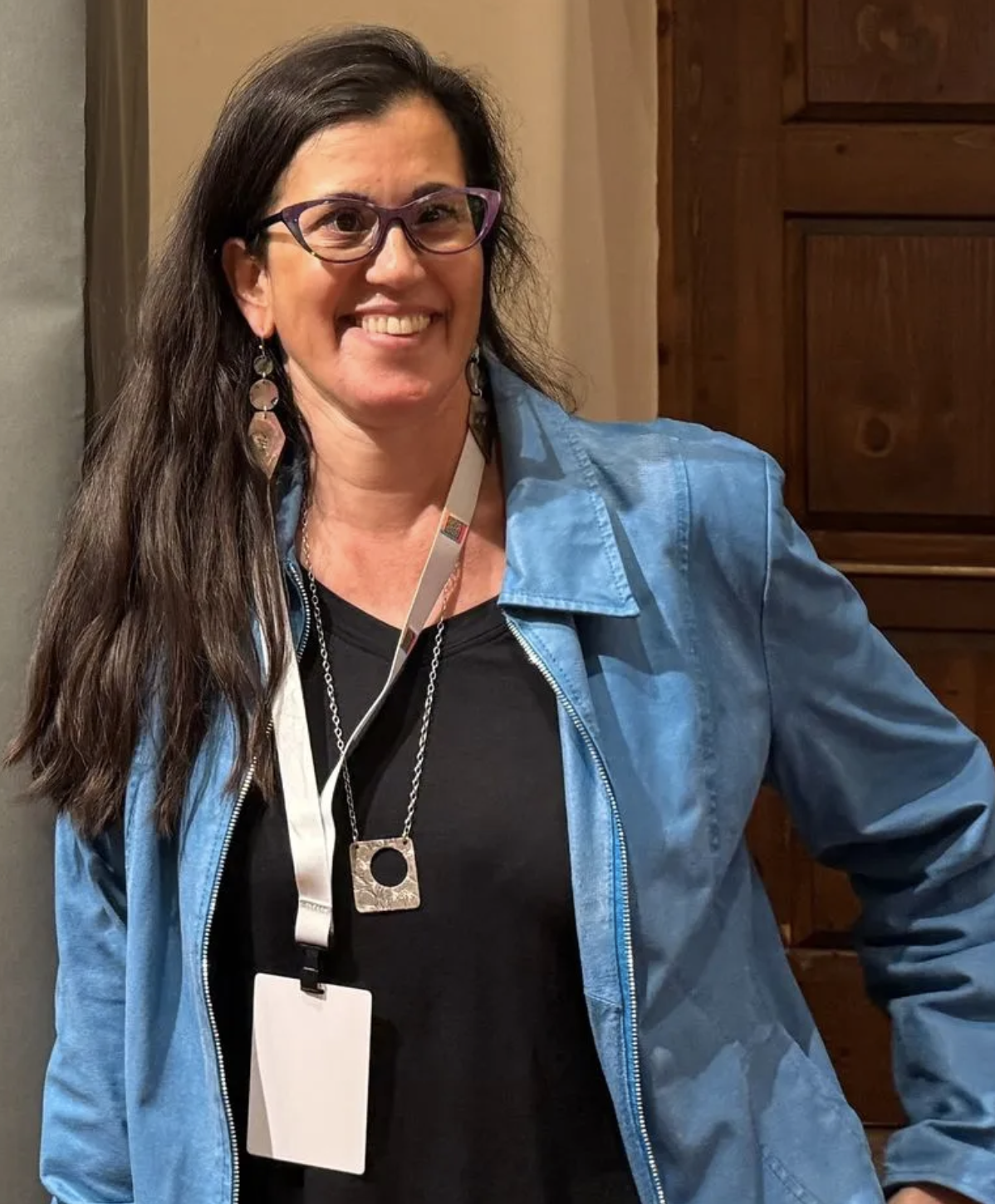
Alex Peña, an enrolled member of the Comanche Nation in Oklahoma, considers different aesthetic values in his art. He incorporates cultural knowledge, interpersonal relationships, and the idea of beauty. He relies heavily on the process and he allows the media to dictate, refine, or enhance his statement of aesthetic worth. Peña’s work suggests place and emotion. In his work, Peña uses the literality and simplicity of a line created by the use of a straight-edge as well as exploring the variety of line that can be created by using a different color, width, repetition, or direction of line.
ANGIE REHNBERG
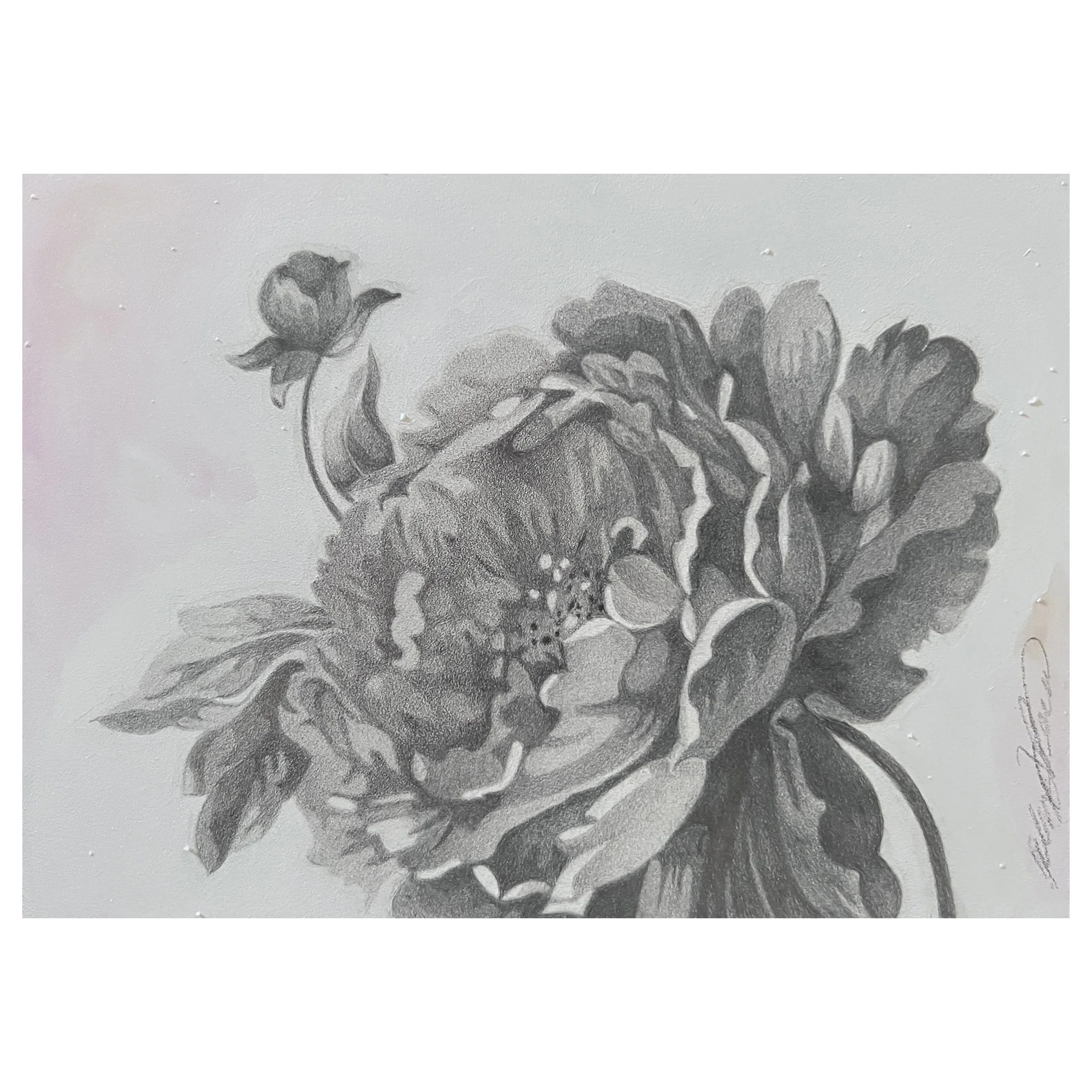
My work is shaped by a deep connection to place, emotion, and exploration. Having grown up in Albuquerque and the mountain regions of northern New Mexico, the landscapes and cultures of the American Southwest continue to influence my visual language. Travel and lived experience further inform my practice, allowing people, environments, and fleeting moments to become catalysts for each body of work.
I approach art as an exploration of both emotion and technique, often working in extended series until curiosity leads me toward new ideas. My practice embraces fluidity and experimentation, moving between semi-realistic figurative work, stylized urban and natural landscapes, and contemporary animal portraits. I
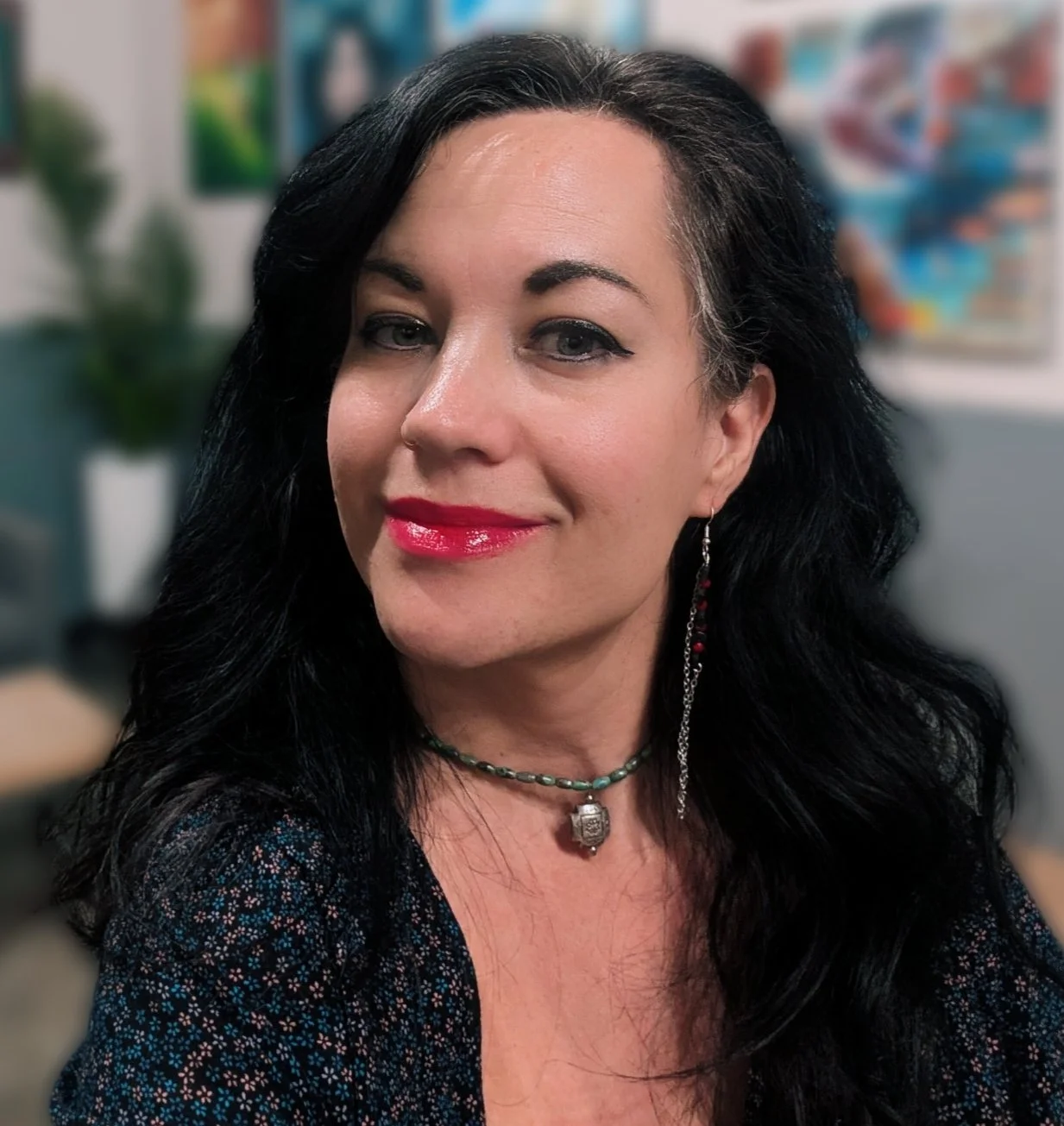
work across a wide range of materials—ink, watercolor, oil, acrylic, gouache, and spray paint—selecting each medium for its ability to best serve the concept and energy of a project. Born with Holt-Oram Syndrome, I learned early on to use art as a way to navigate physical challenges. Drawing and painting became tools for strength, adaptation, and self-expression. Today, I view difference not as a limitation, but as a gift—one that has shaped my resilience, curiosity, and creative voice. Through my work, I seek to honor vulnerability, movement, and the quiet intensity found in both the natural world and human experience.
MANUEL RAMIREZ
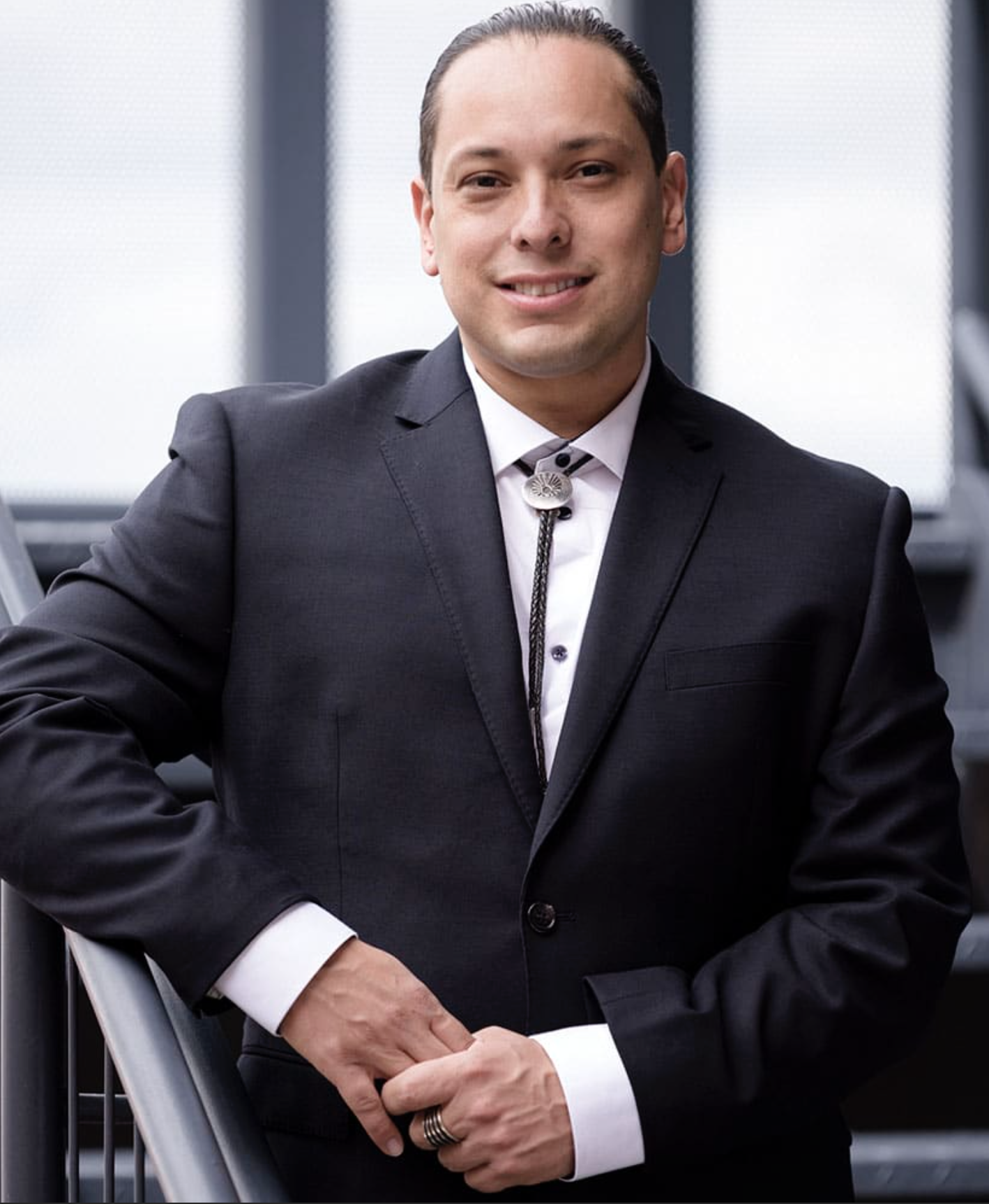
Manuel Ramirez is a multidisciplinary artist whose work is rooted in themes of identity, community, and cultural movement. A proud alumnus of the Institute of American Indian Arts (IAIA), Ramirez holds a BFA in Studio Arts with honors and has been recognized nationally for both his artistic contributions and leadership. His accolades include the IAIA Student of the Year award, participation in the Smithsonian National Museum of the American Indian Artist Leadership Program, and numerous leadership roles in academic and community settings.
Ramirez's work has been exhibited in prestigious venues such as the IAIA Museum of Contemporary Native
Arts, the Museum of International Folk Art in Santa Fe, and Rainmaker Gallery in the United Kingdom. His pieces are also held in permanent collections at the IAIA Museum and the Museum of International Folk Art. His creative journey has been featured in the Tribal College Journal, multiple public talks, and educational panels that bridge art, heritage, and social change.
Inspired by people, travel, and place, Ramirez explores expression through monotypes and works on paper. His artist statement reveals a deep connection to the Otoe-Missouria worldview and a fascination with the physical and emotional language of movement and design:
“I see the picture plane as a traveling sequence and as a migration of movements experienced through design…”
With a practice that weaves together cultural memory, activism, and aesthetics, Ramirez continues to influence and inspire through his art and public engagement.
A. THOMPSON (ATA)
A. Thompson lives and works in Lukachukai, Arizona. Born and raised on the Navajo Nation, the youngest of four siblings, Thompson left the reservation at the age of 17. Her degree is in Health Care Administration but she discovered painting in 2010. Since then, Thompson has studied abstract art on her own, favoring work by Picasso, Kandinsky, Banksy, Matisse, and Voka. She says, “I am just an individual with a sponge, a bucket of water, a syringe, a spoon, a spray bottle, with bad eyesight. . . . I choose to show what is on my mind and in my heart.