Confluencia: Contemporary Nuevomexicano Art
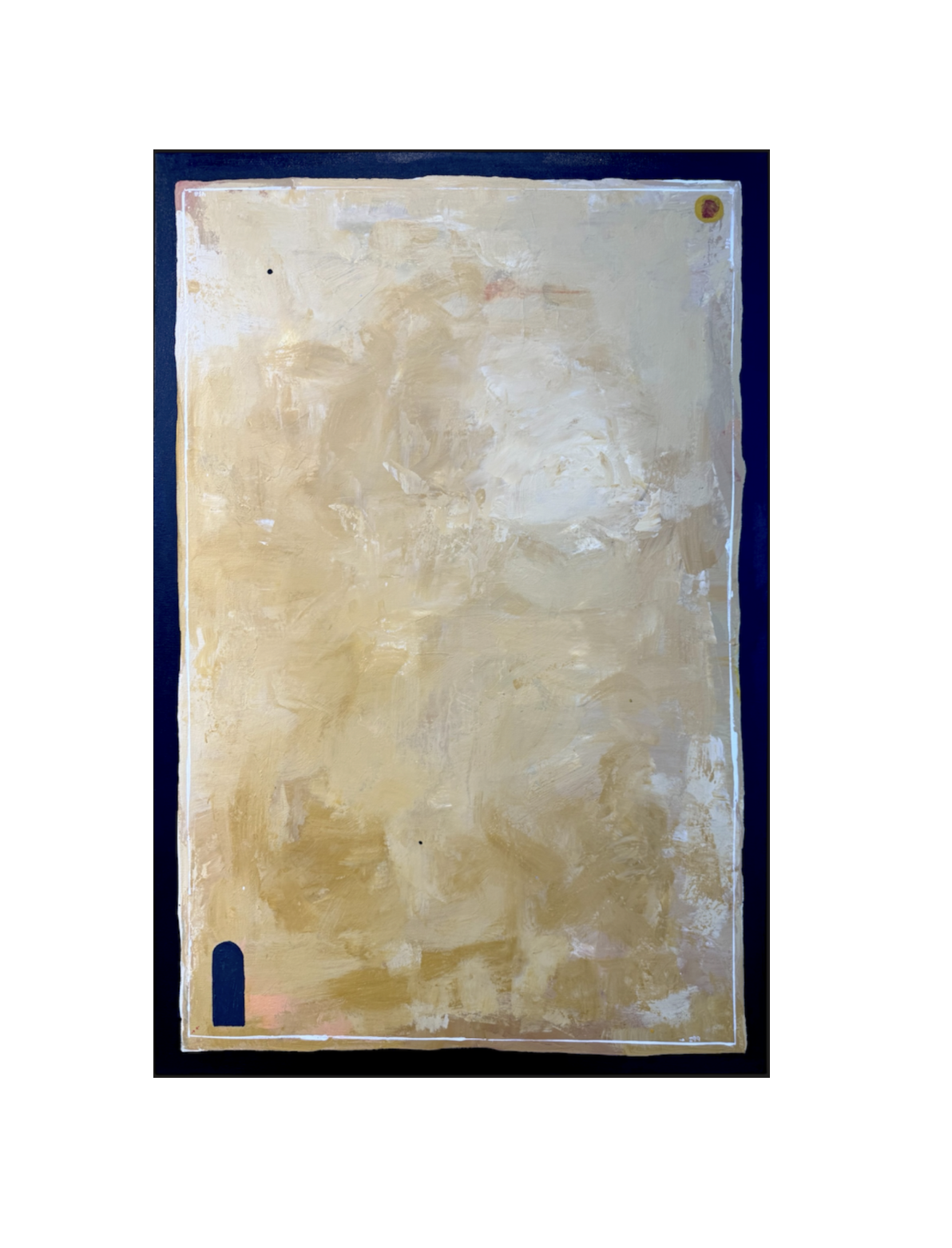
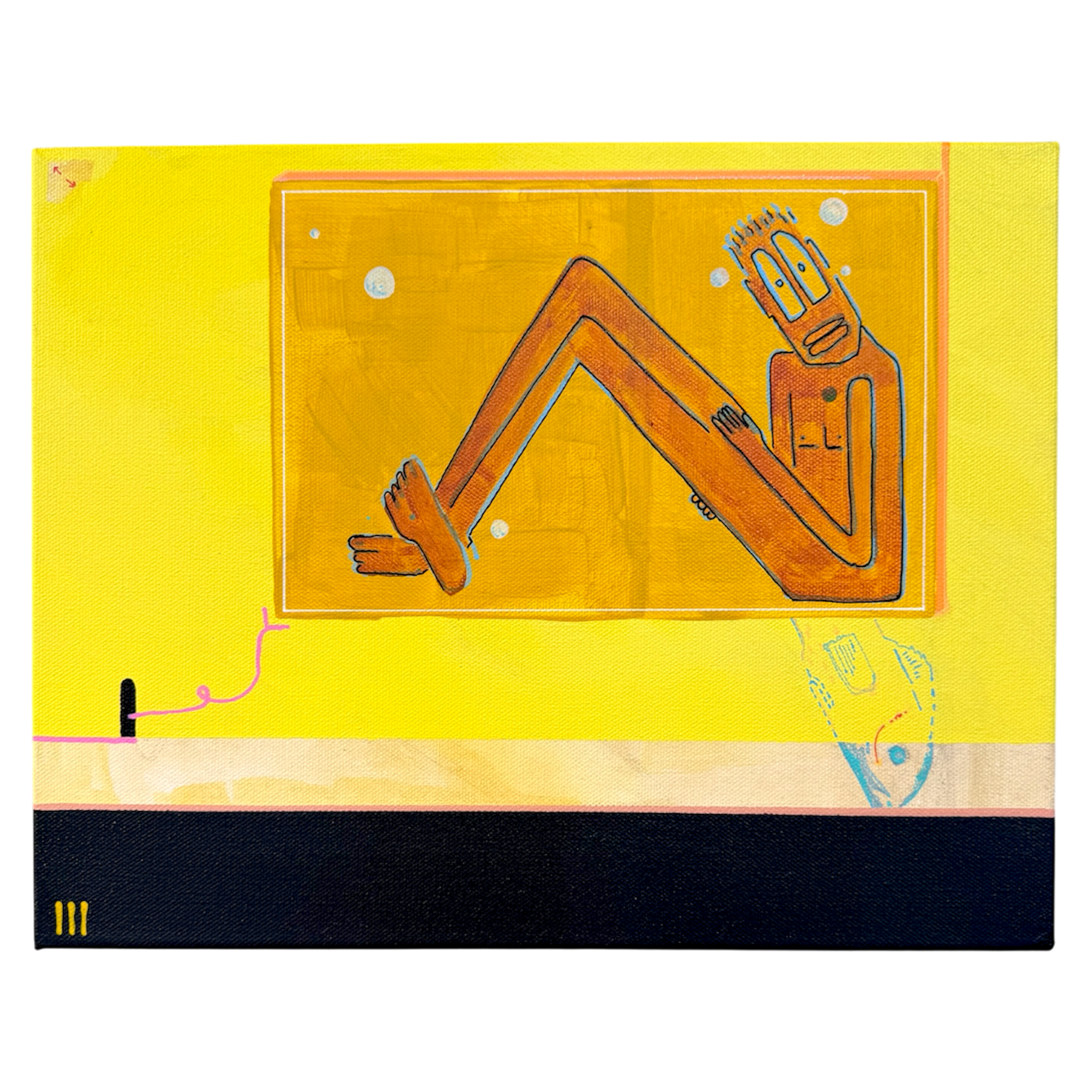
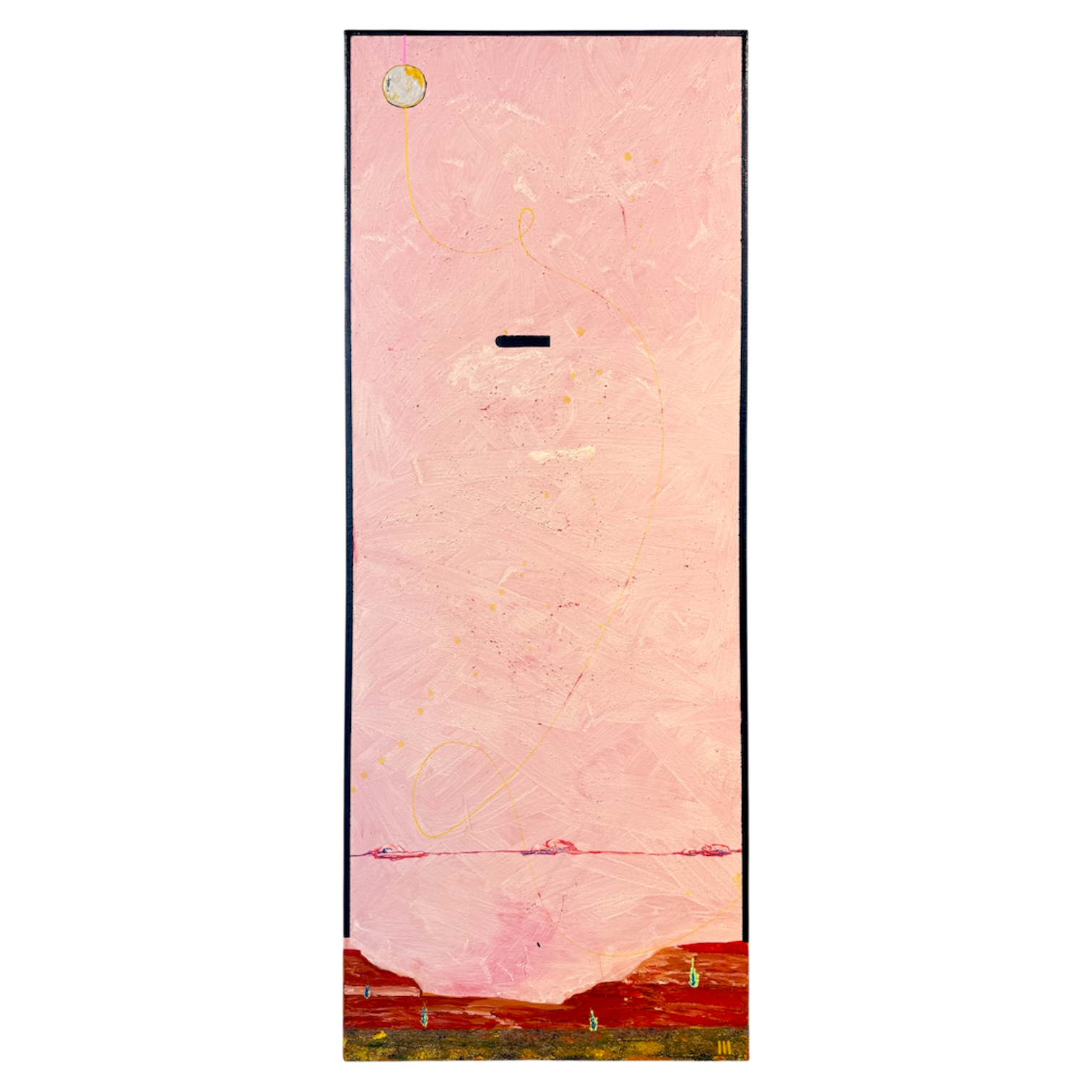
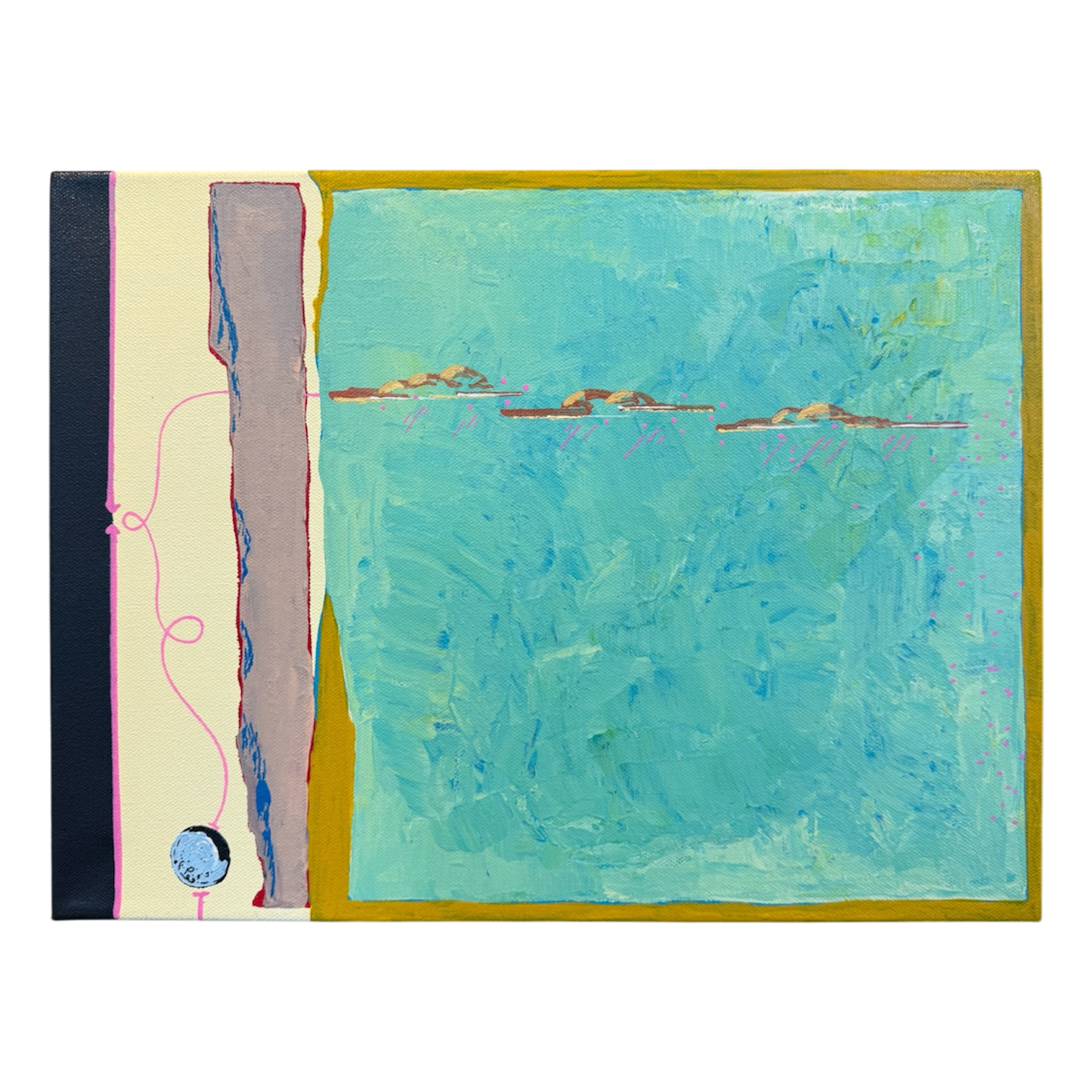
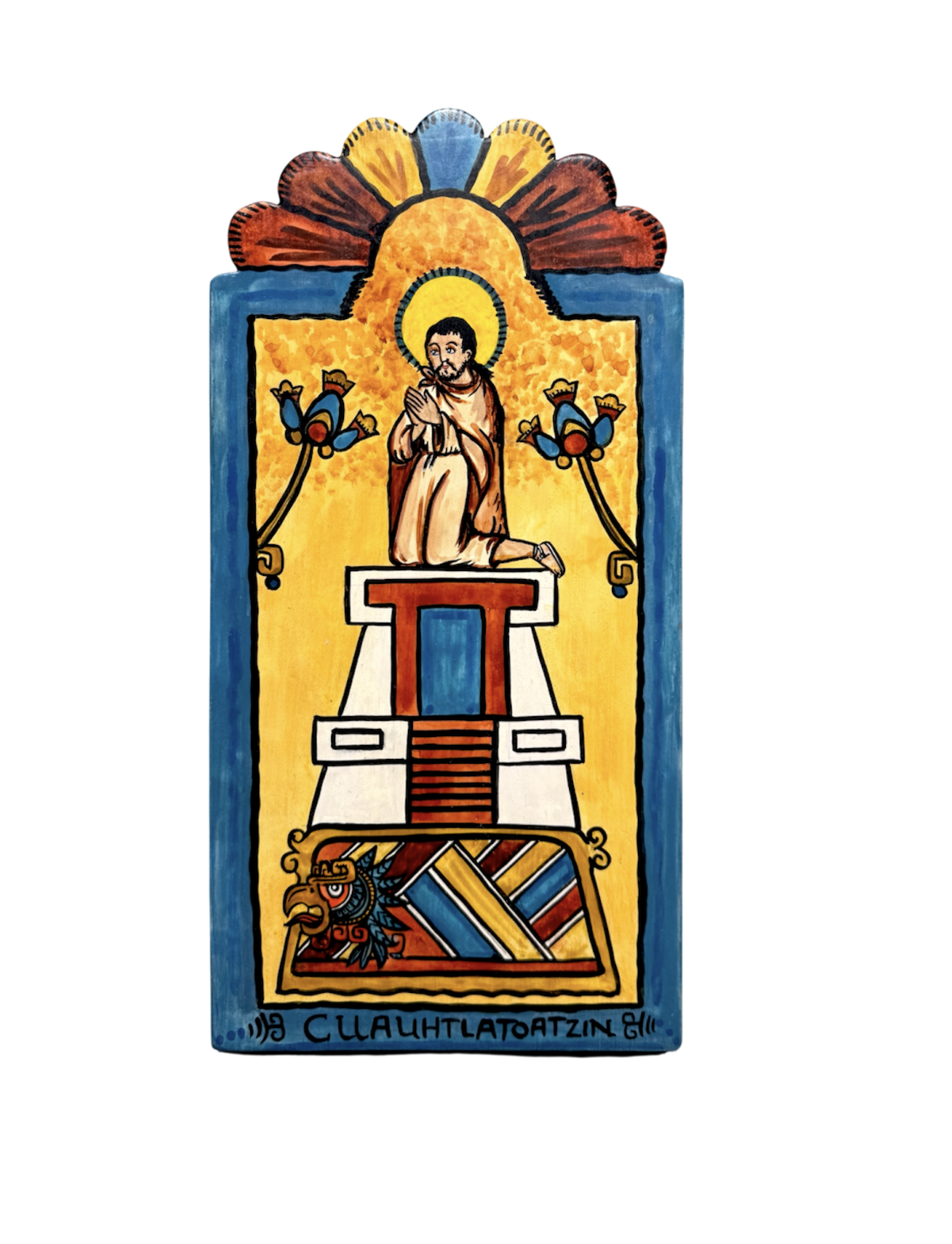
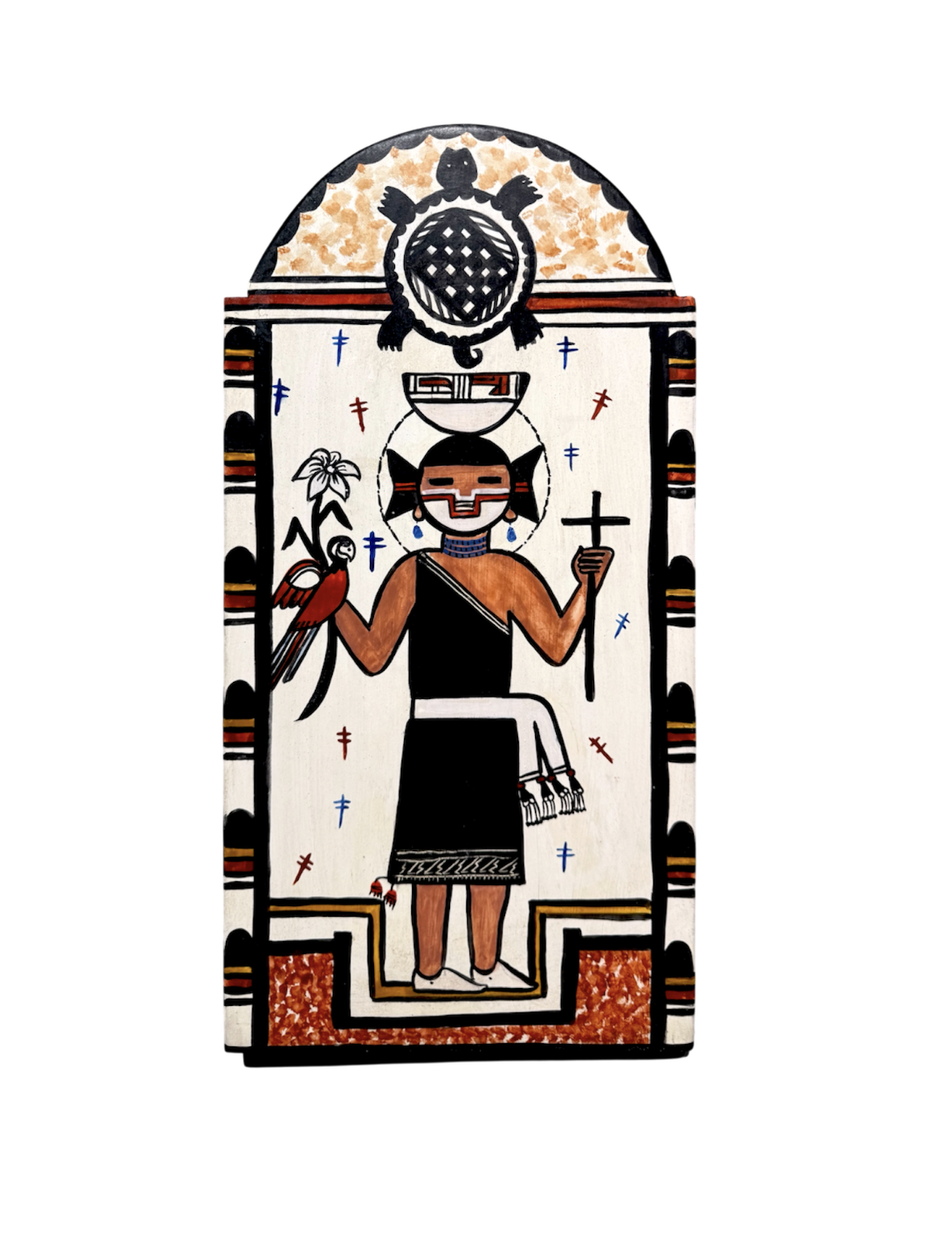
Gallery Hózhó is pleased to present Confluencia: Contemporary Nuevomexicano Art, a group exhibition curated by renowned Santero carver Vicente Telles. Featuring new ceramics, photography, beadwork, and painting by Debbie Carrillo, Marcus Xavier Chormicle, Jacob Gutierrez, Arla Lucia, Diego Rigales, Eric Romero, and others, the exhibition will be on view from October 17 through November 30, 2026.
During New Mexico's campaign for statehood and its emergence as a tourist destination in the late nineteenth and early twentieth centuries, political and cultural leaders promoted an image of the region as “tri-cultural,” a place where distinct cultures supposedly existed alongside one another in harmony. Since then, this idea has been challenged as an oversimplification of New Mexico's complex histories, which include colonization, migration, and conflict among the many communities that have shaped the state. Confluencia: Contemporary Nuevomexicano Art explores the connections and interchange as seen in the arts. Meaning convergence or coming together, the title reflects the intersections and exchanges that shape the state and its contemporary art. Throughout his career, Telles has explored connections among New Mexico's diverse artistic and cultural traditions, and for this show he invited artists whose work draws on different histories, places, and cultural traditions to show how these experiences overlap, influence one another, and continue to evolve. As Vicente Telles presents it, Confluencia brings together artists whose work reflects the many ways history, culture, and place continue to inform contemporary artistic practice. Rather than presenting New Mexico as a collection of separate traditions, the exhibition considers the connections, overlaps, and exchanges that shape its artistic life. As Vicente Telles presents it, Confluencia brings together artists whose work reflects the many ways history, culture, and place continue to inform contemporary artistic practice. Rather than presenting New Mexico as a collection of separate traditions, the exhibition considers the connections, overlaps, and exchanges that shape its artistic life.
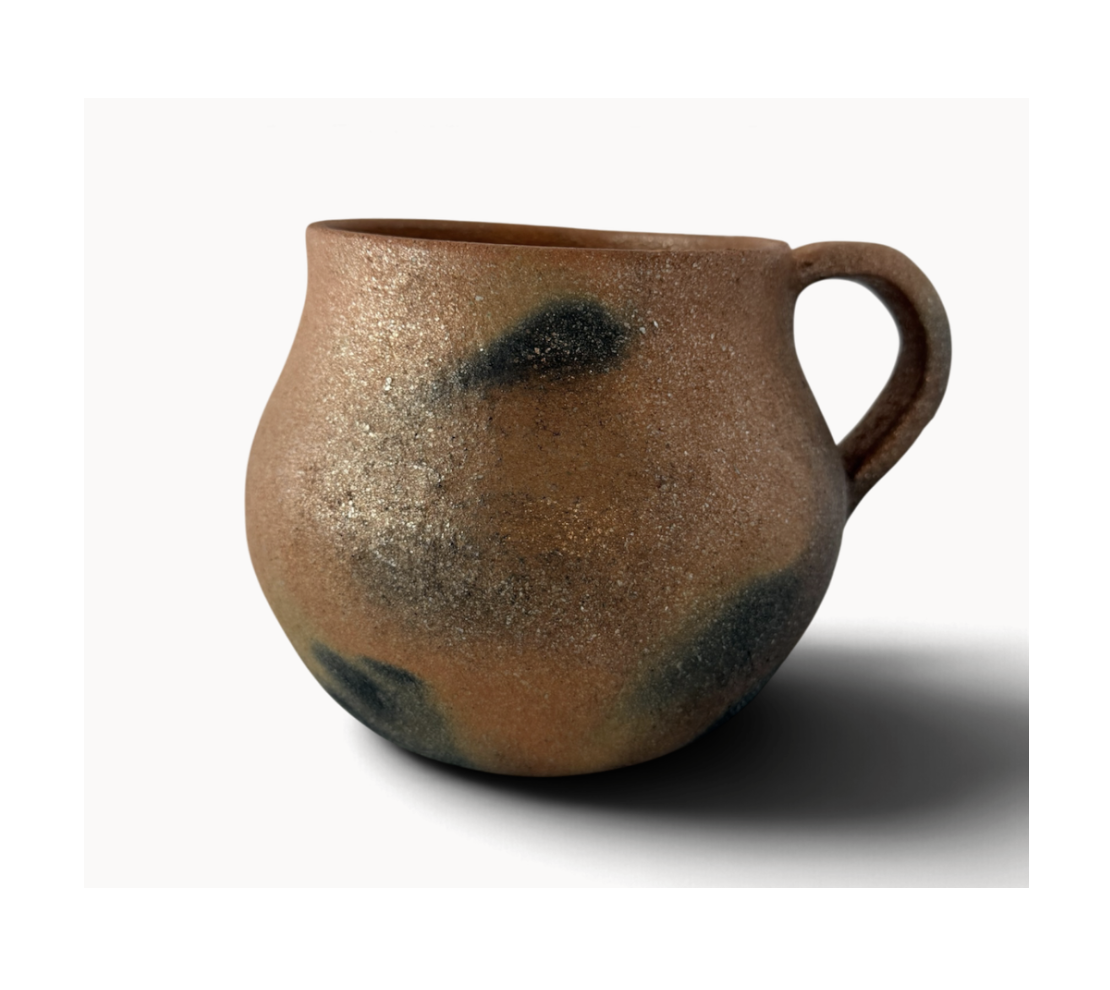
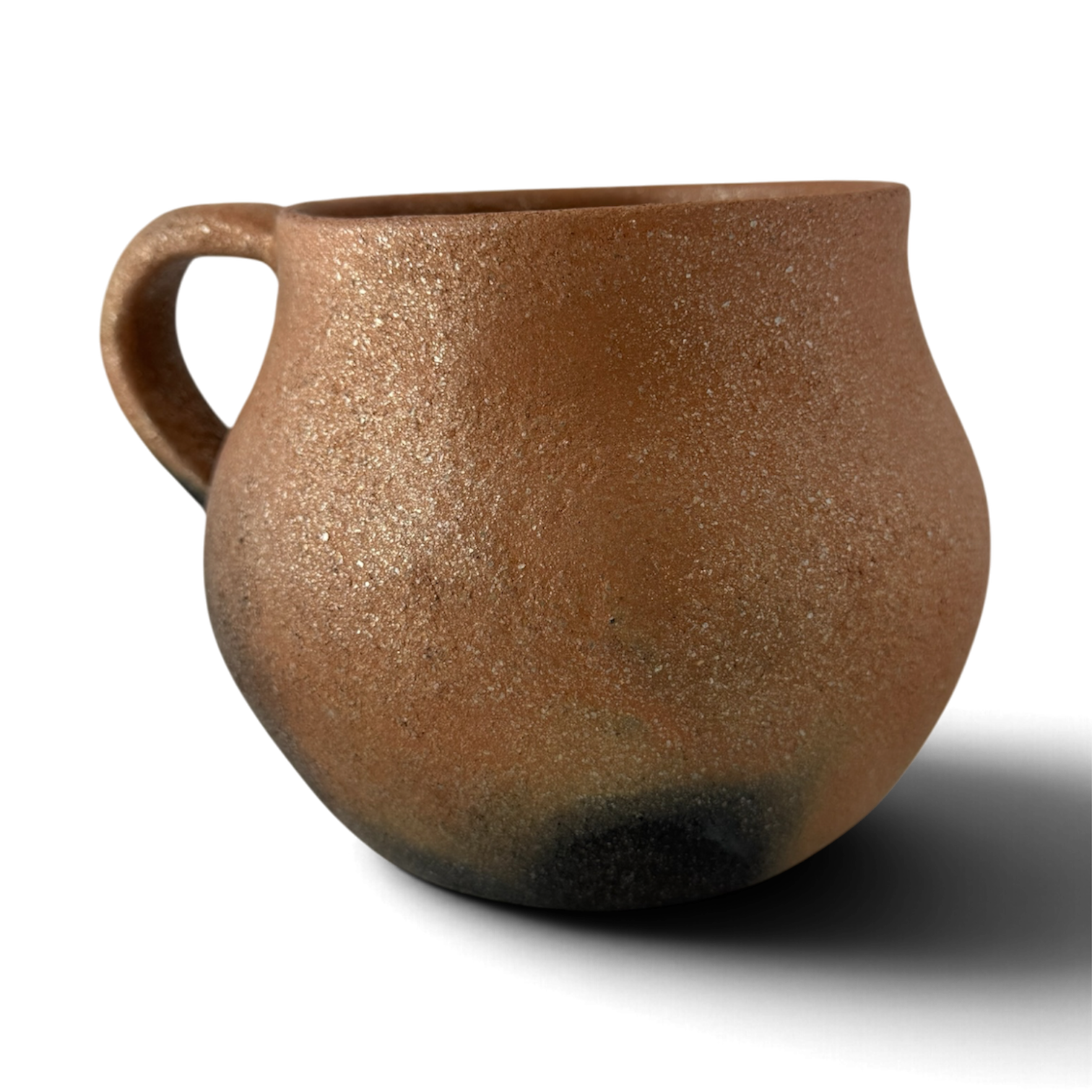
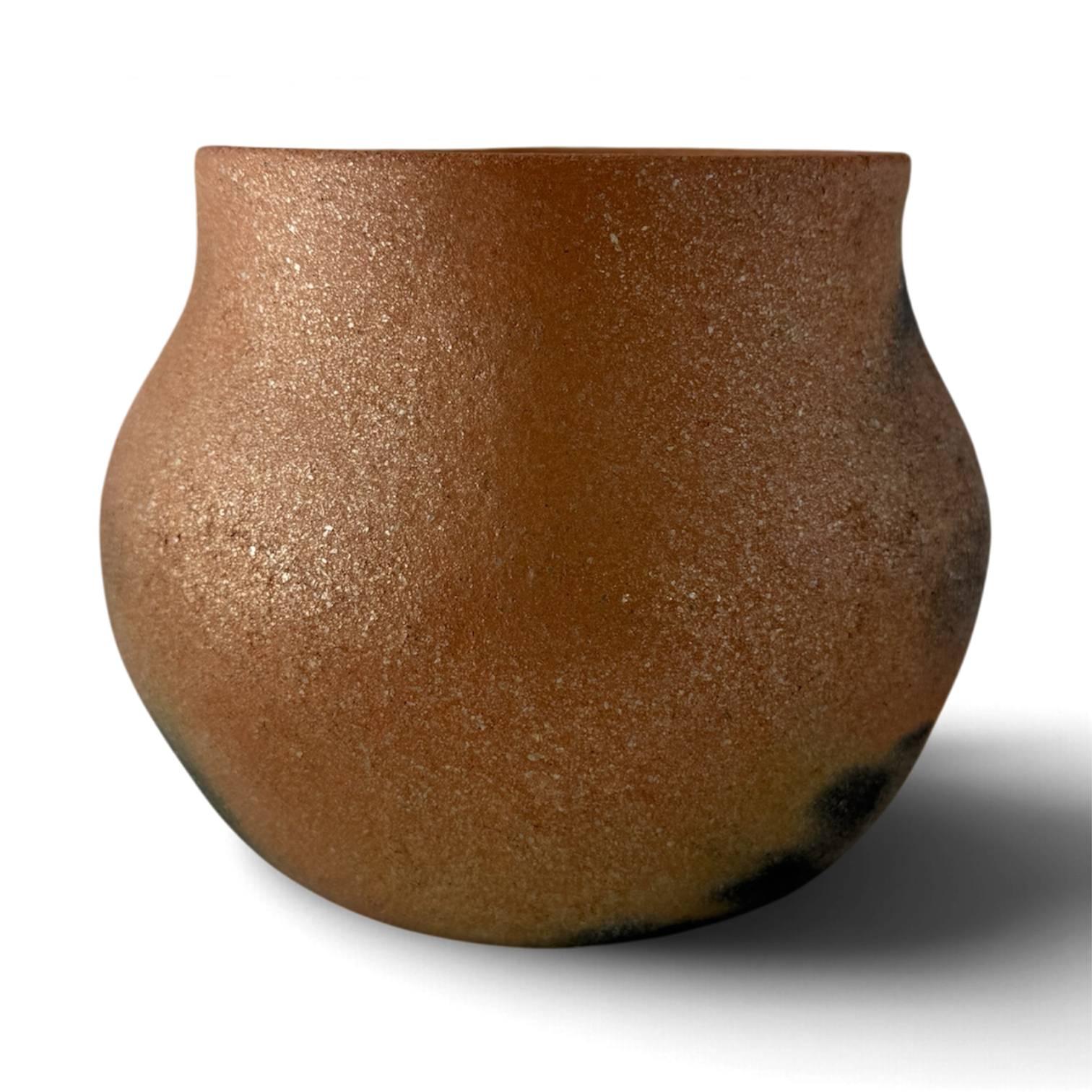
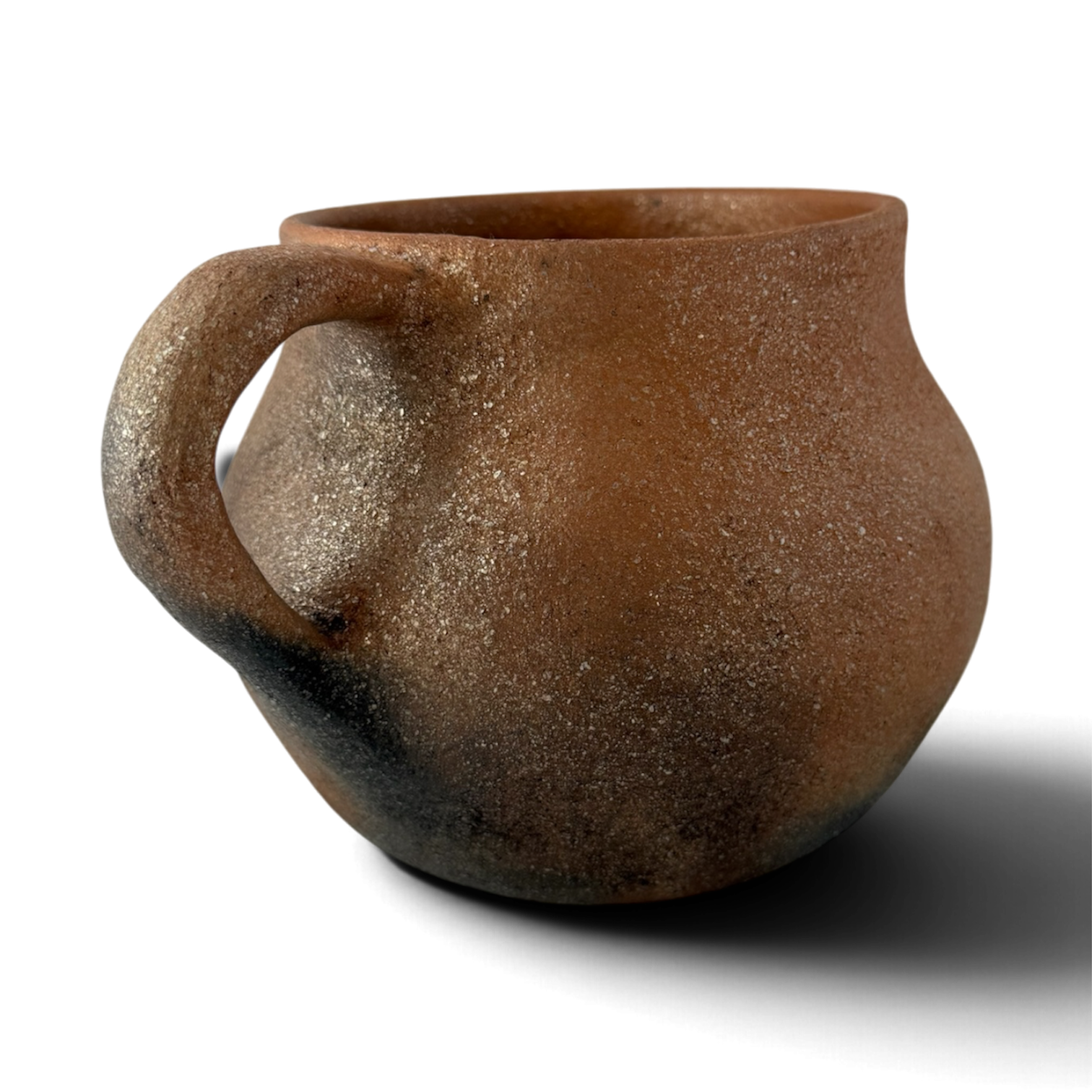
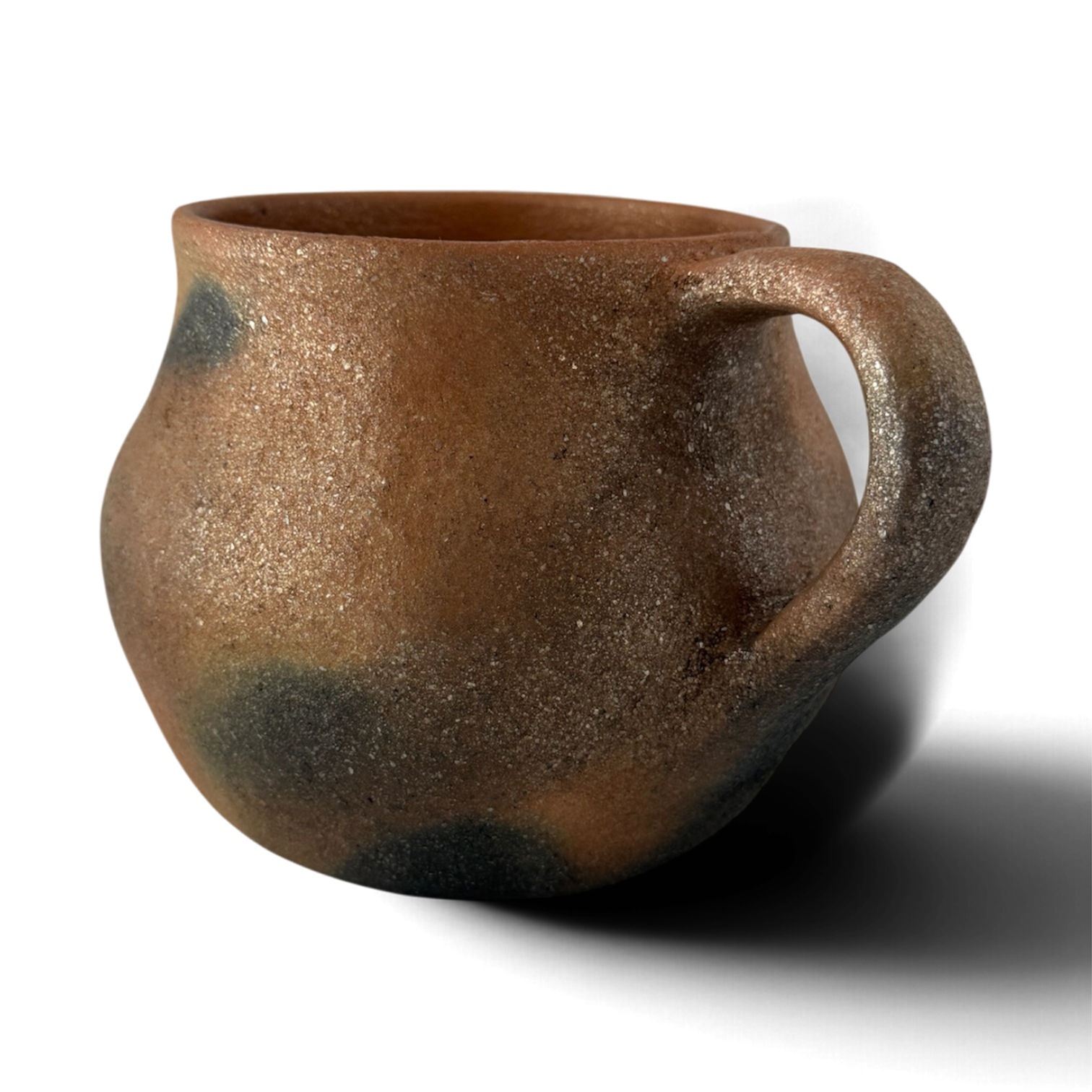
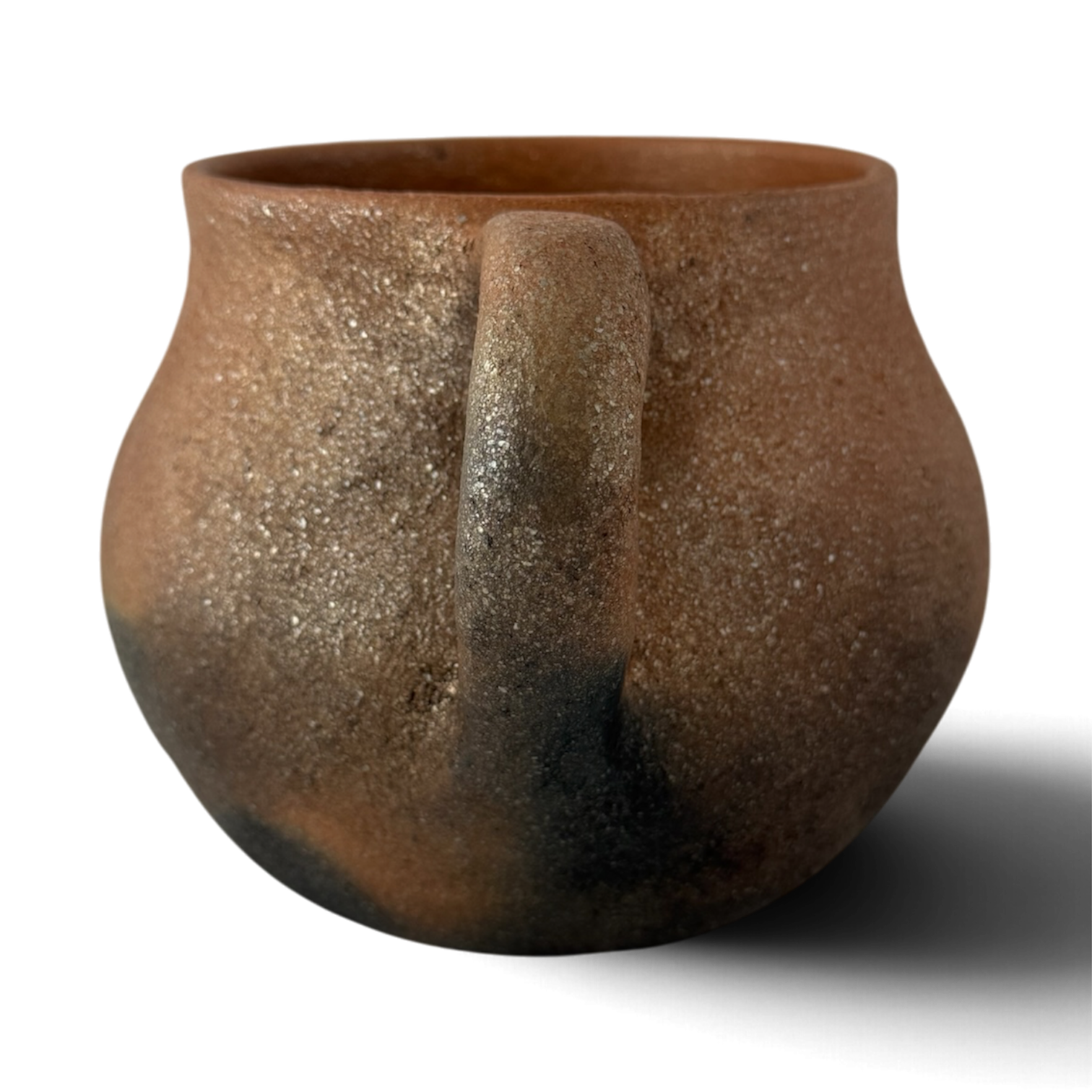
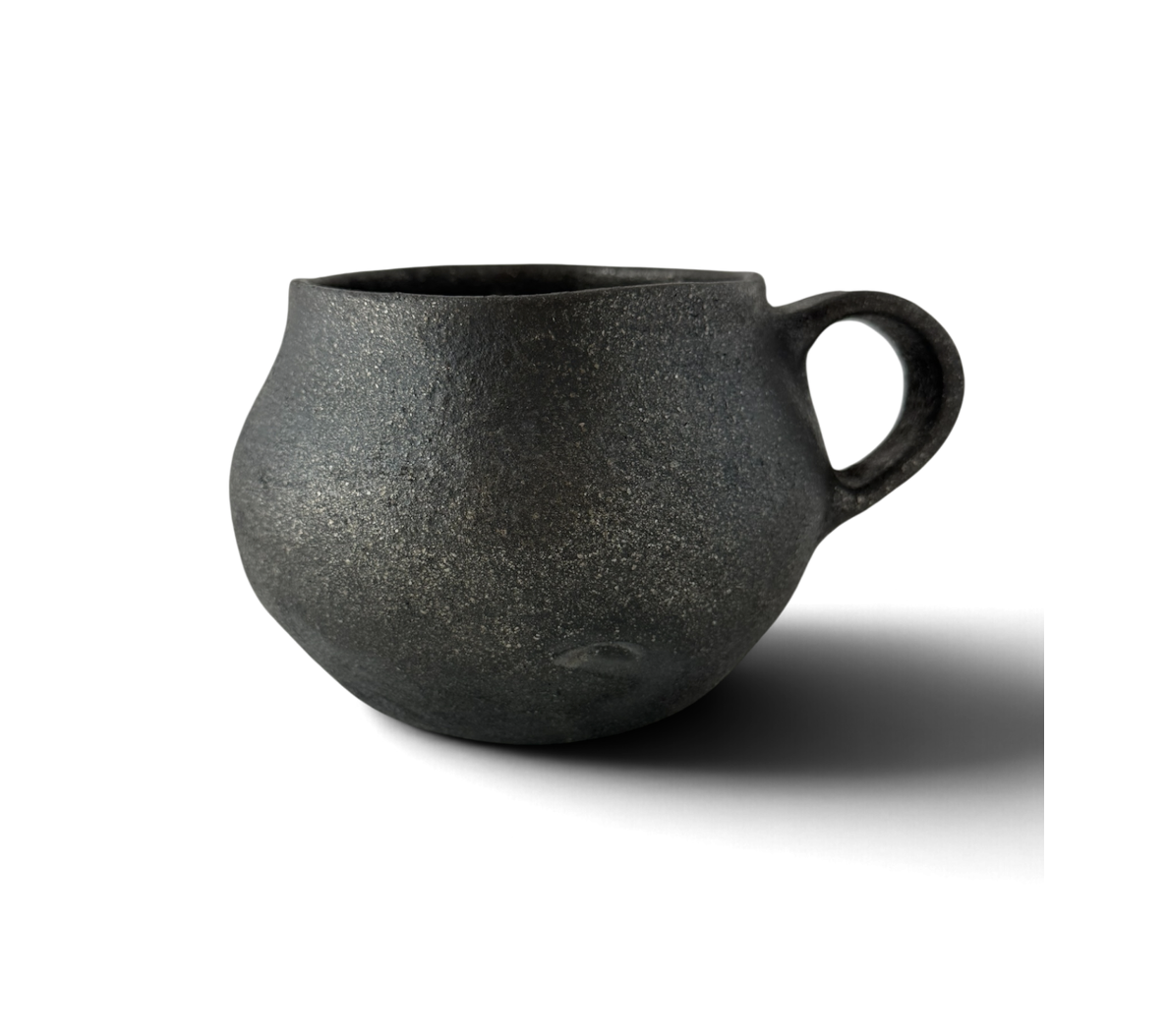
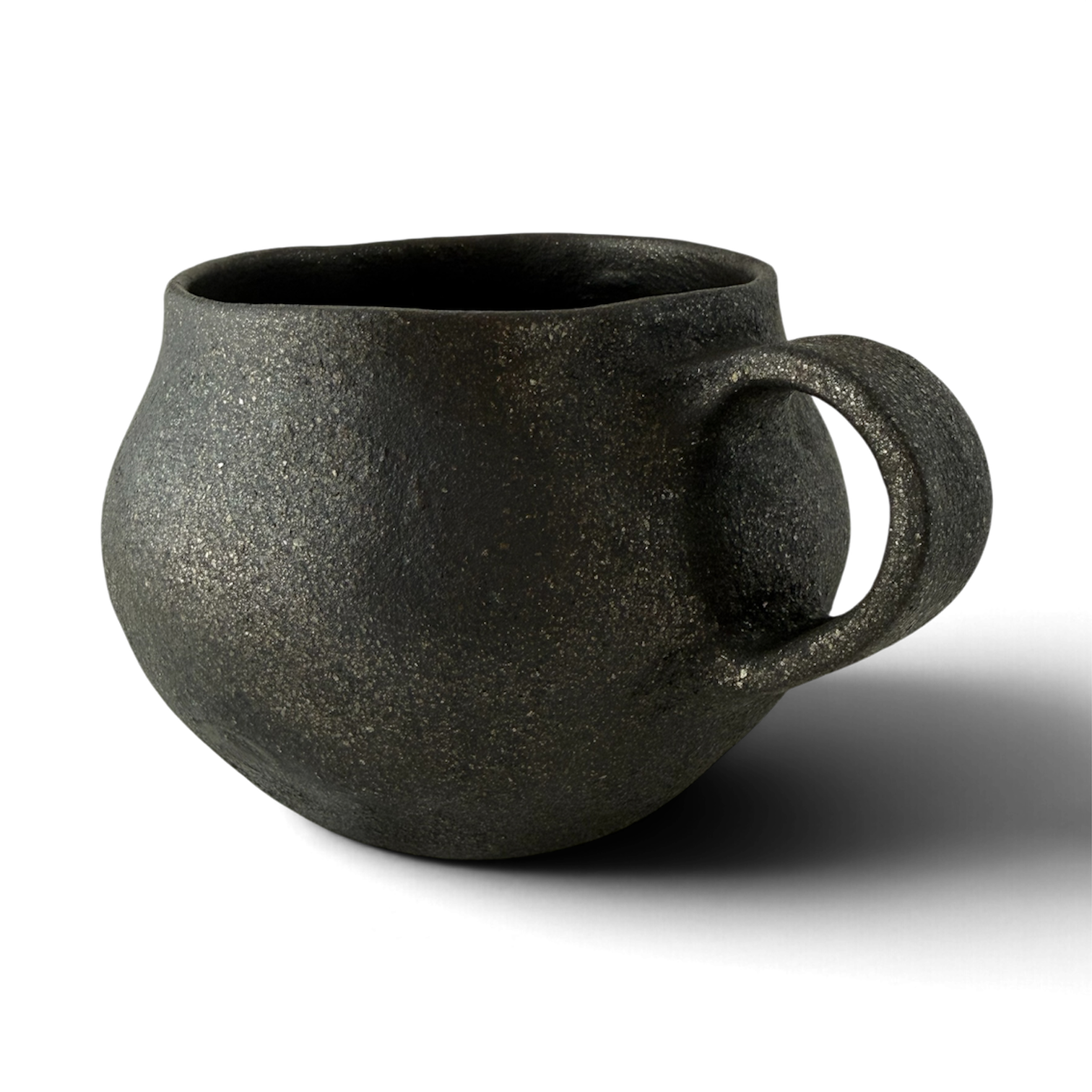
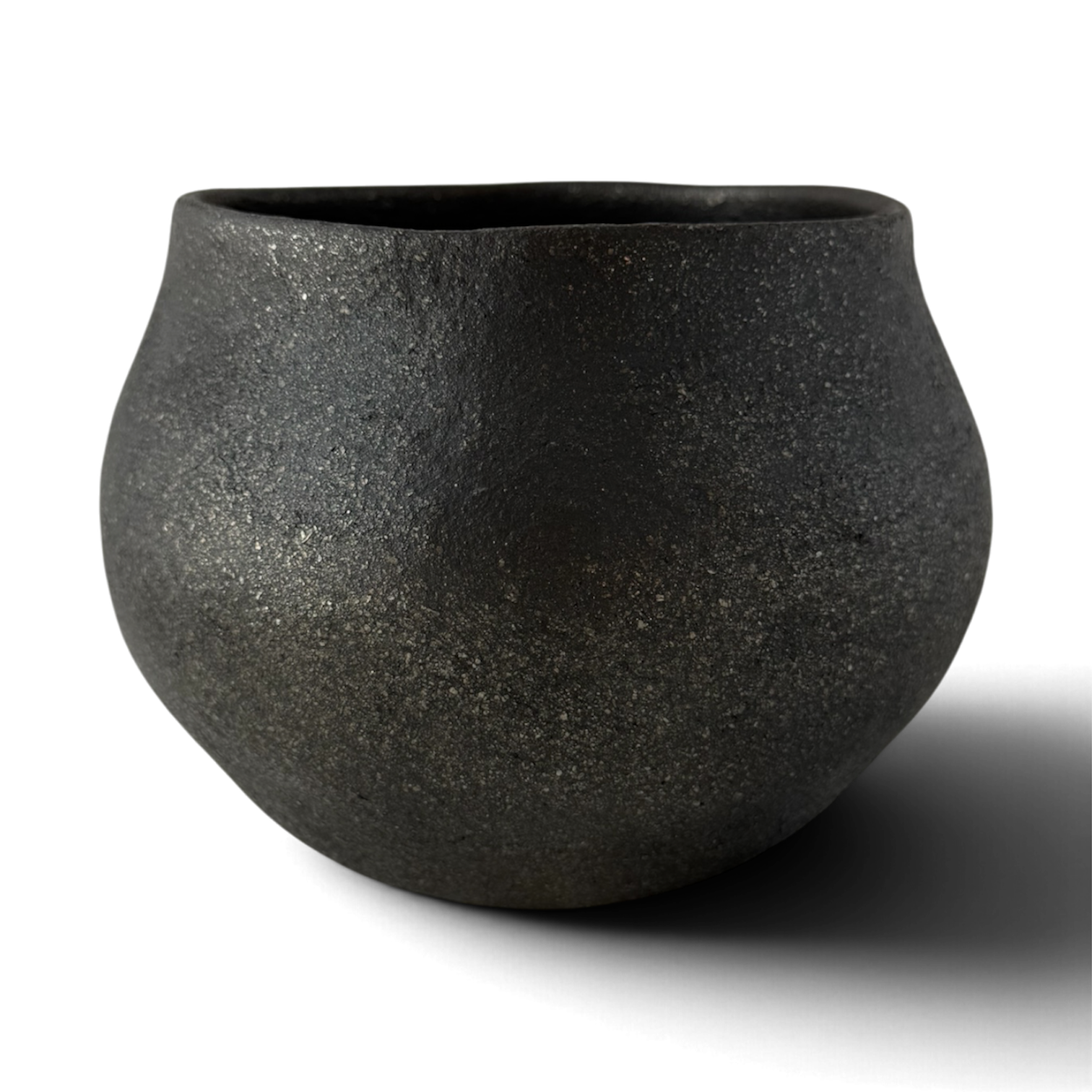
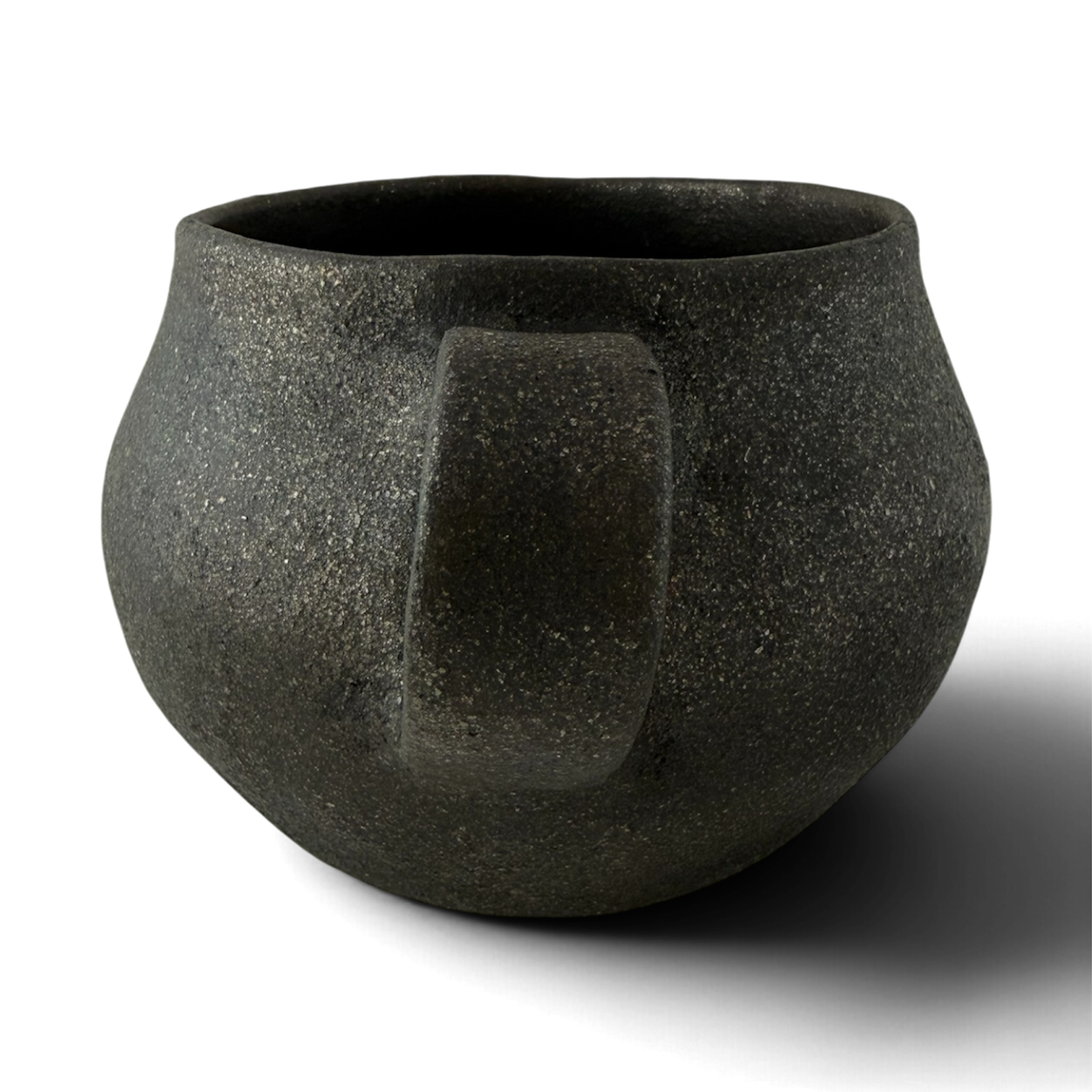

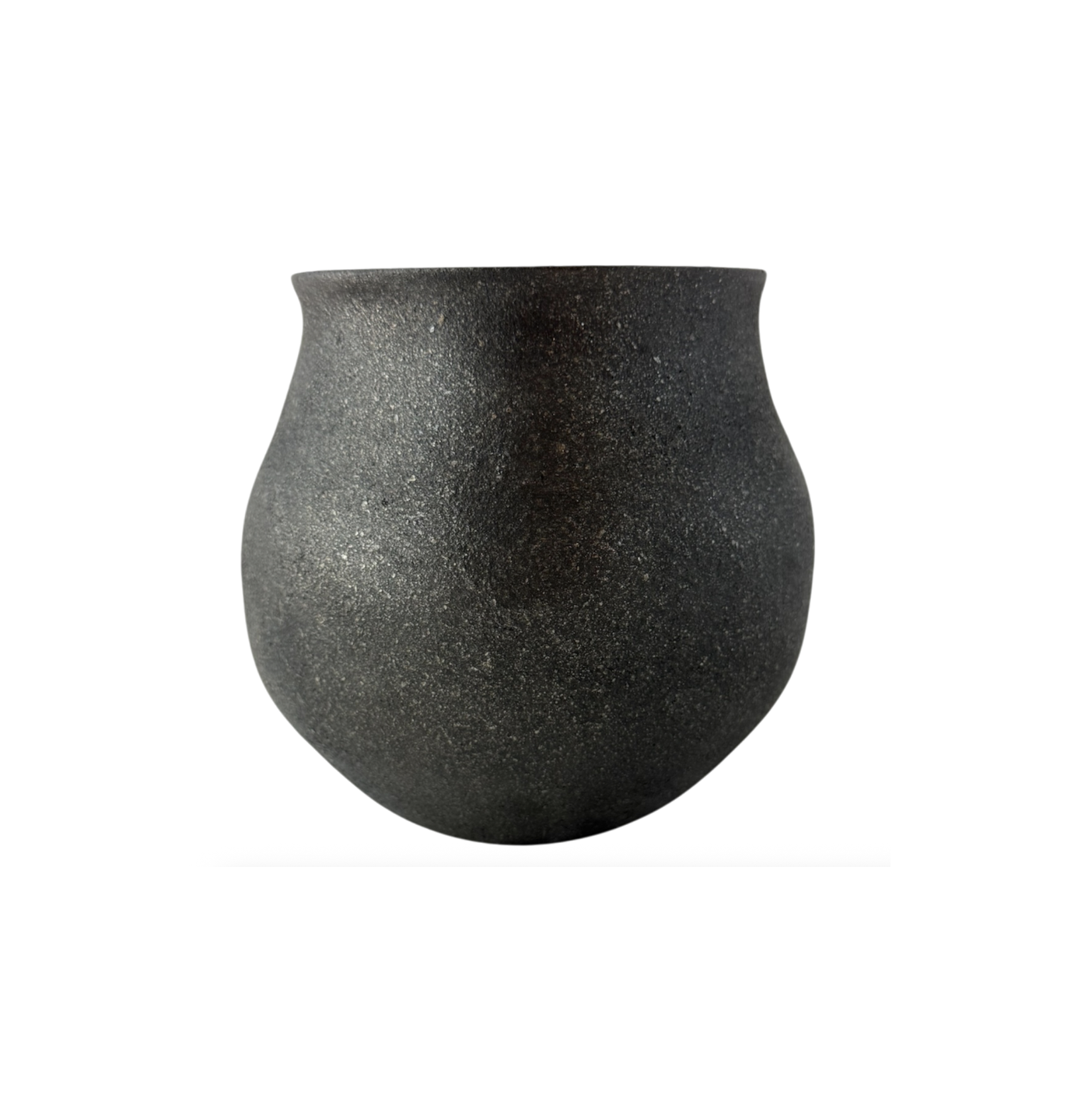
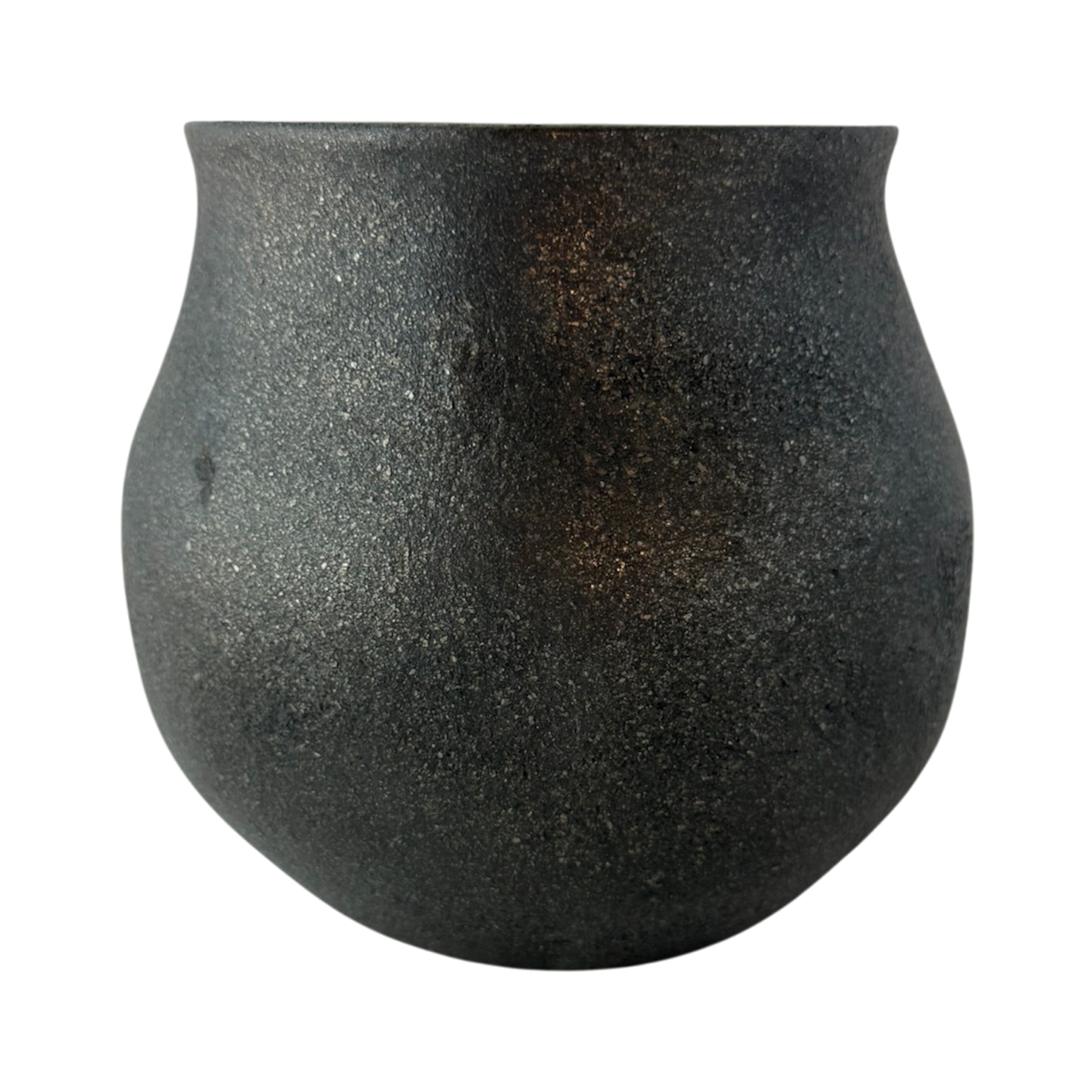
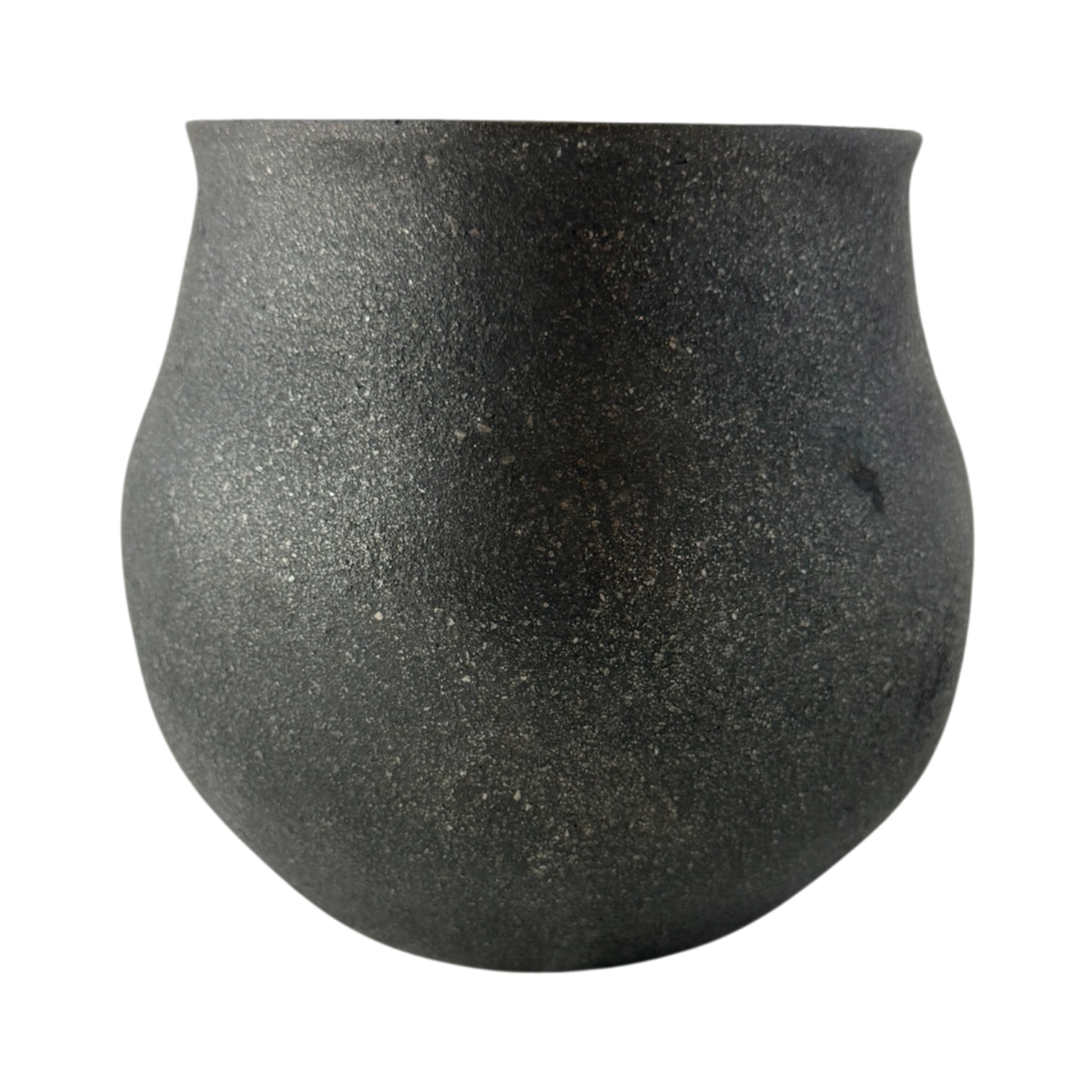
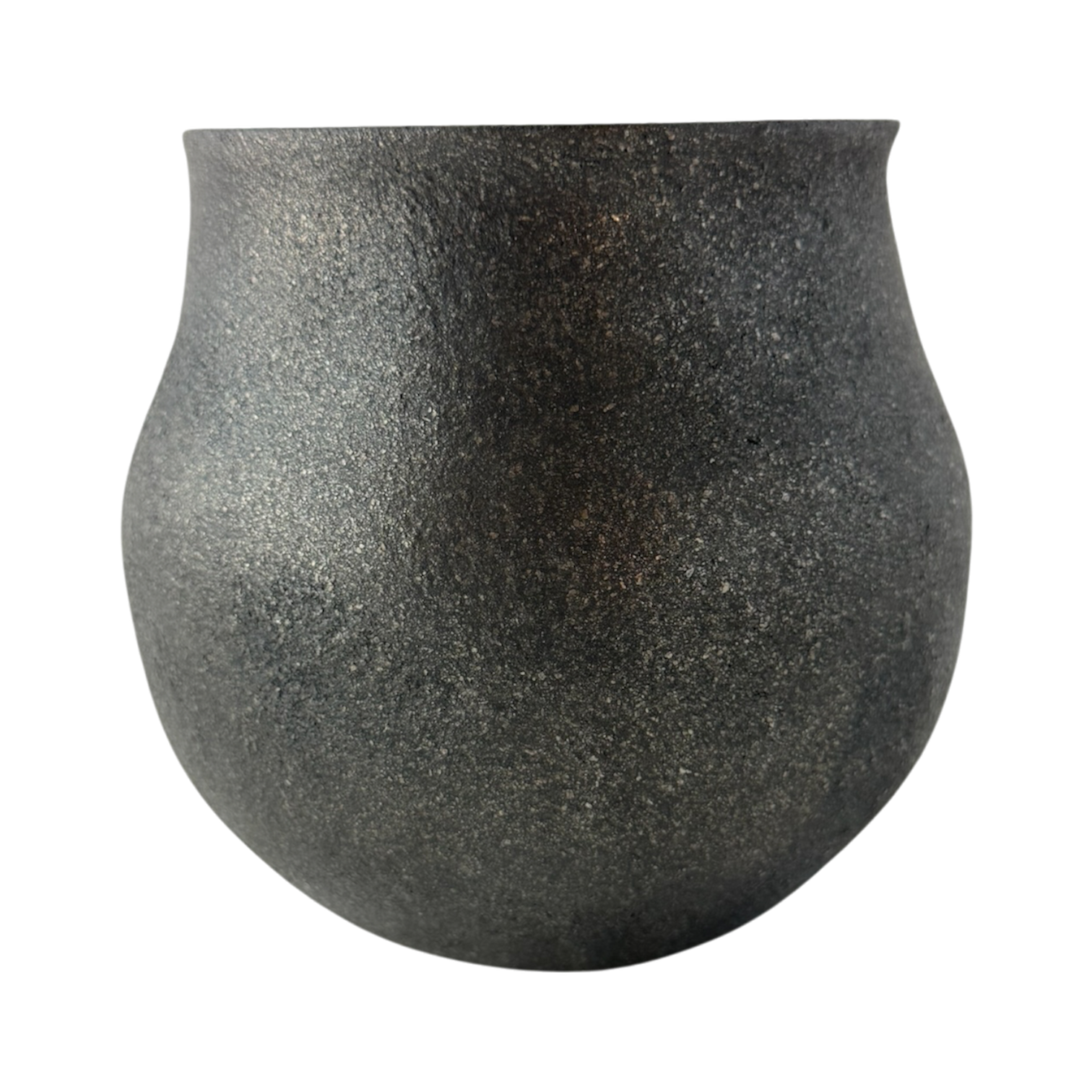
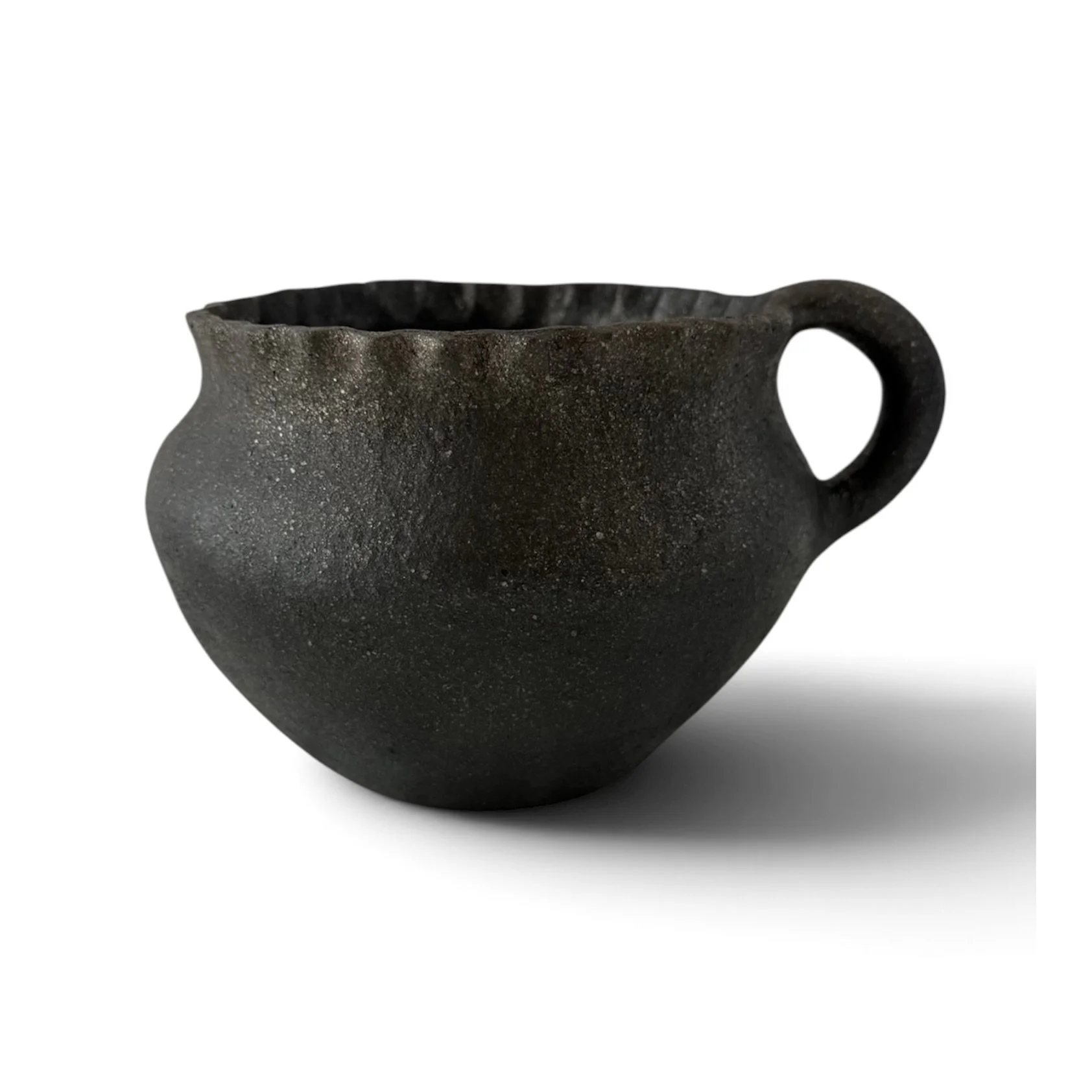
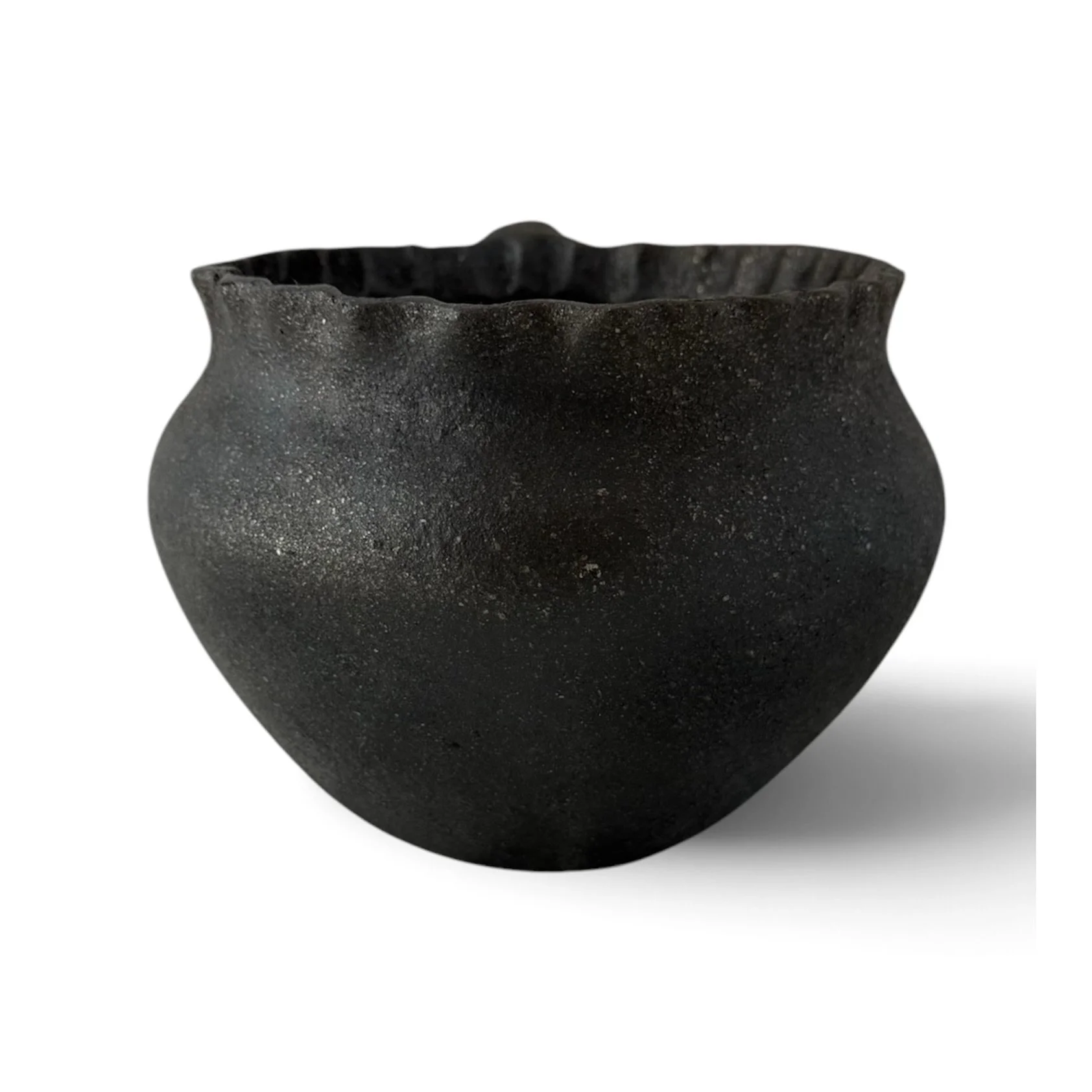
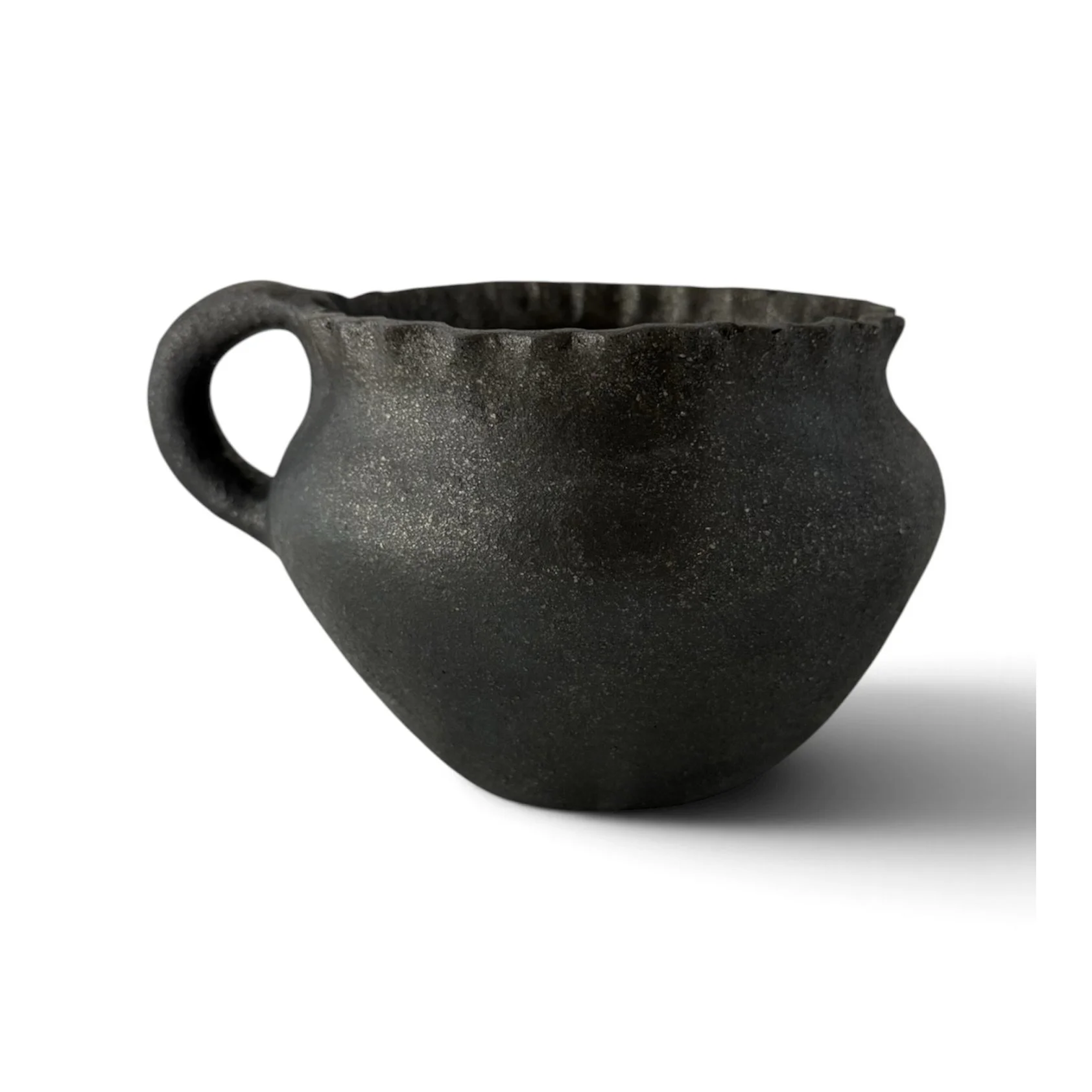
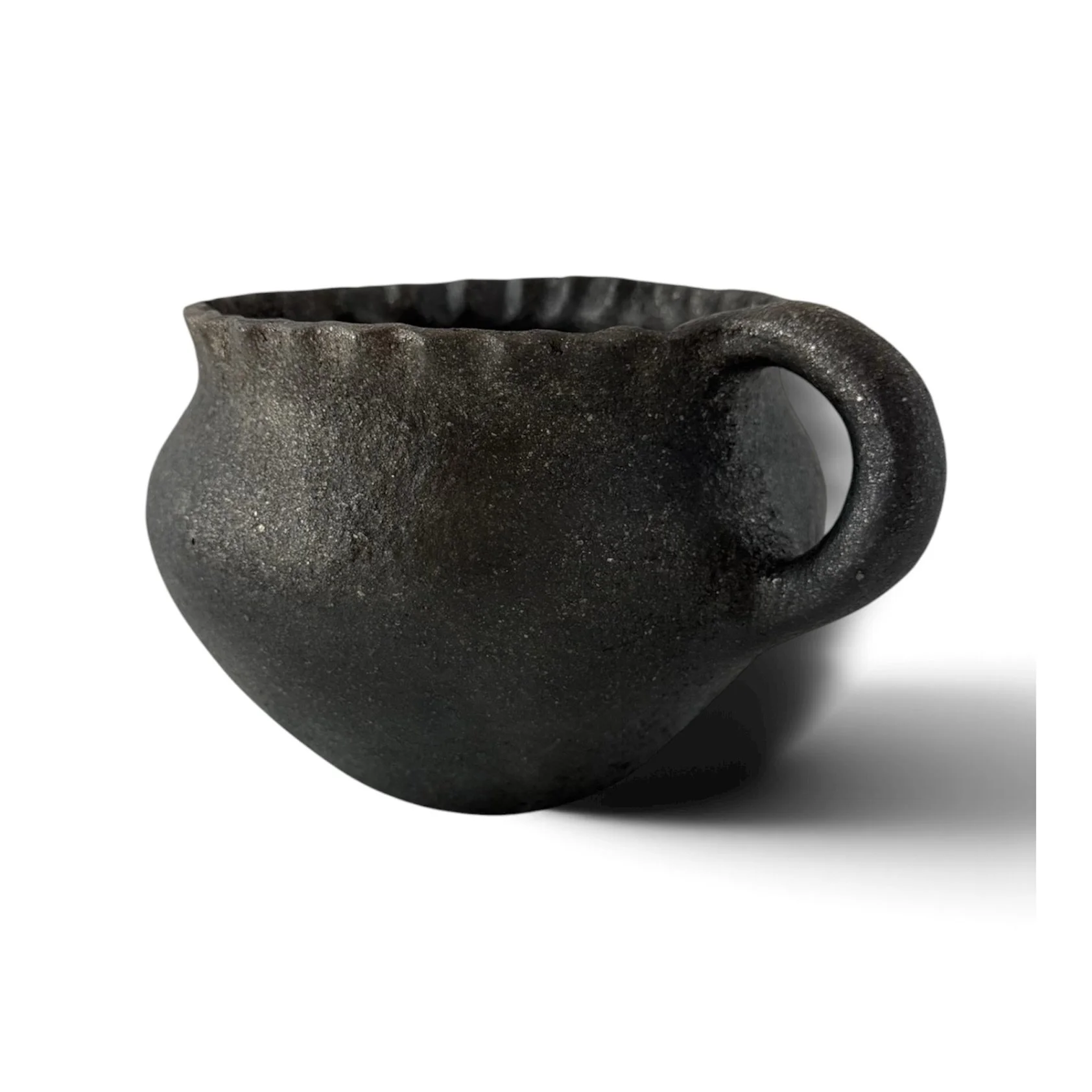
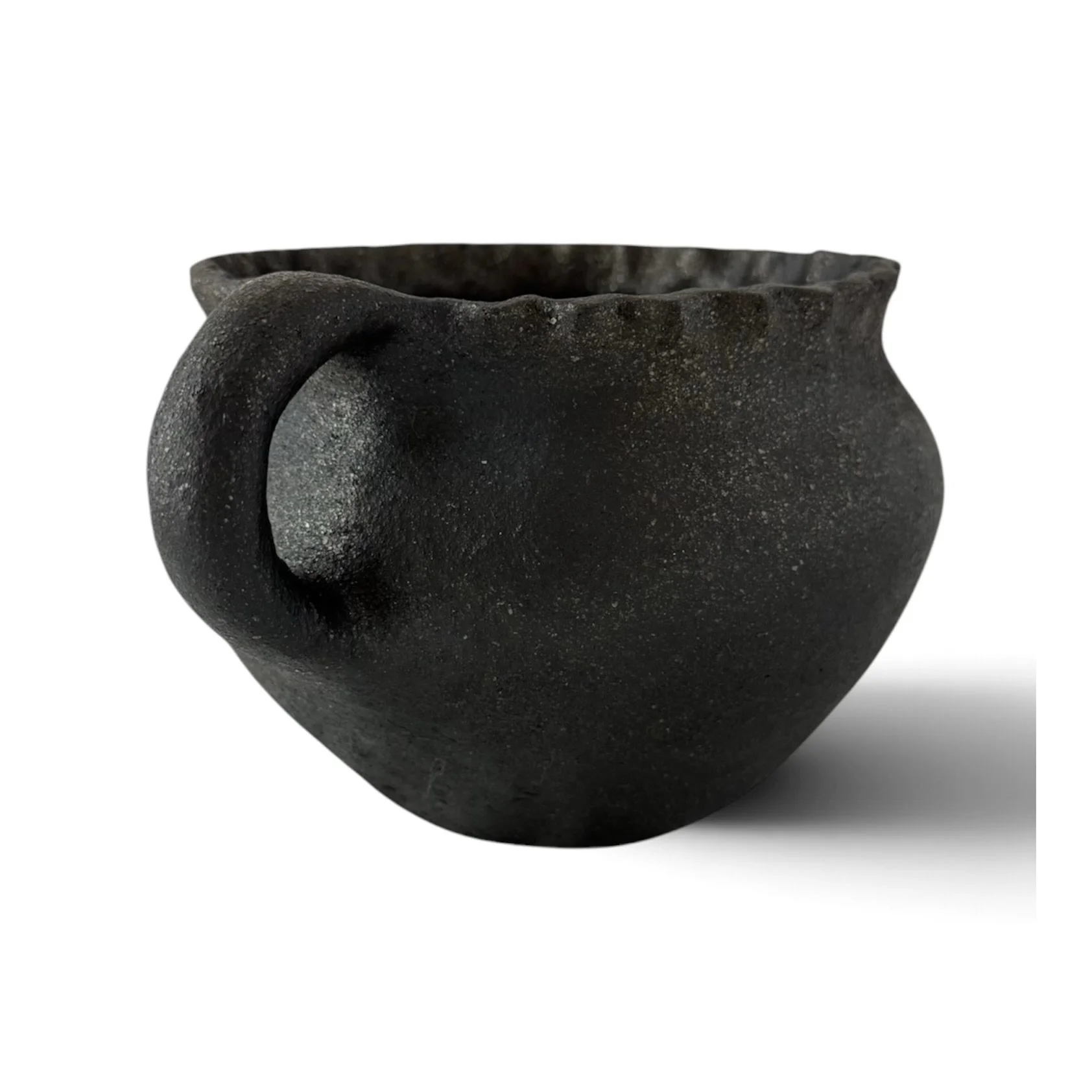
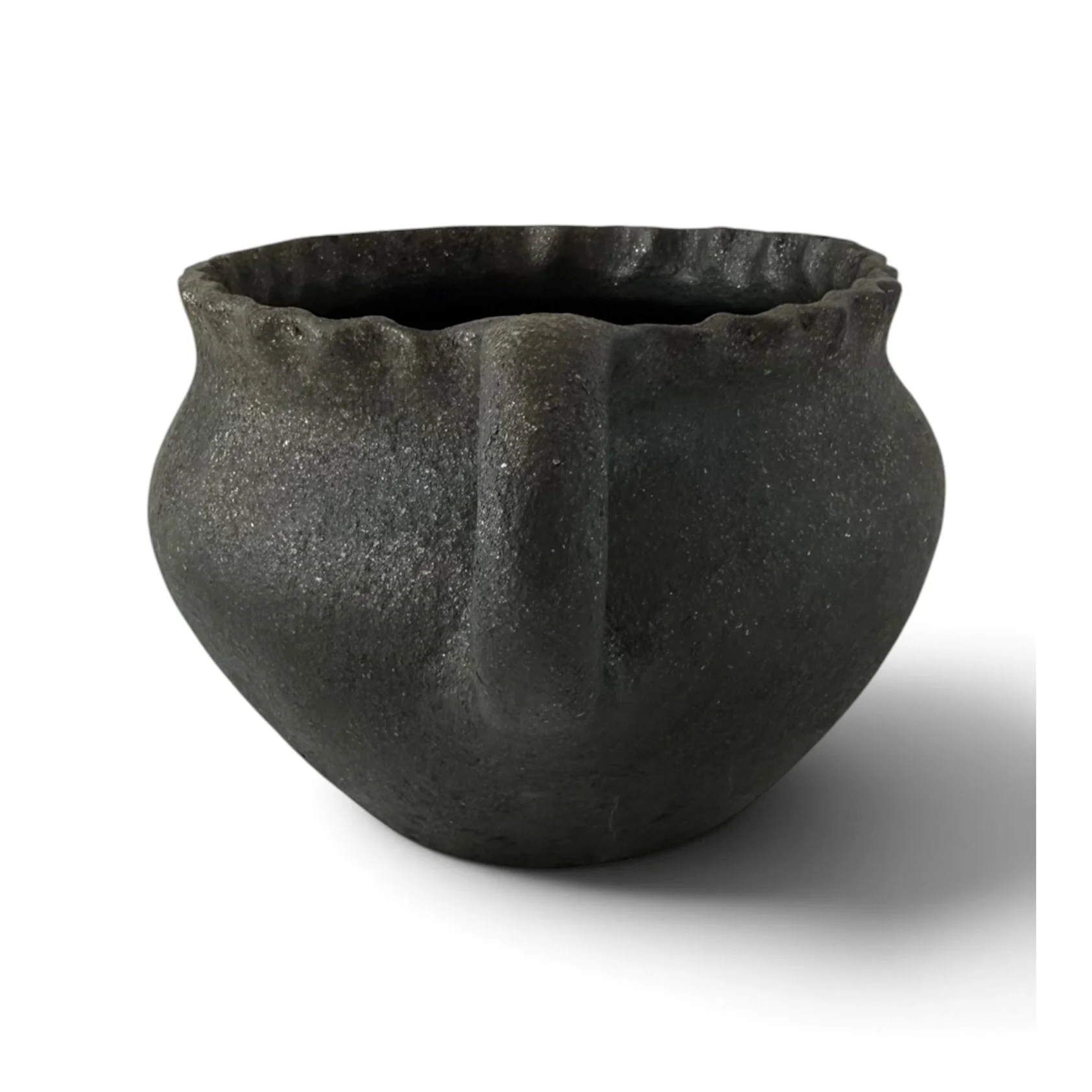
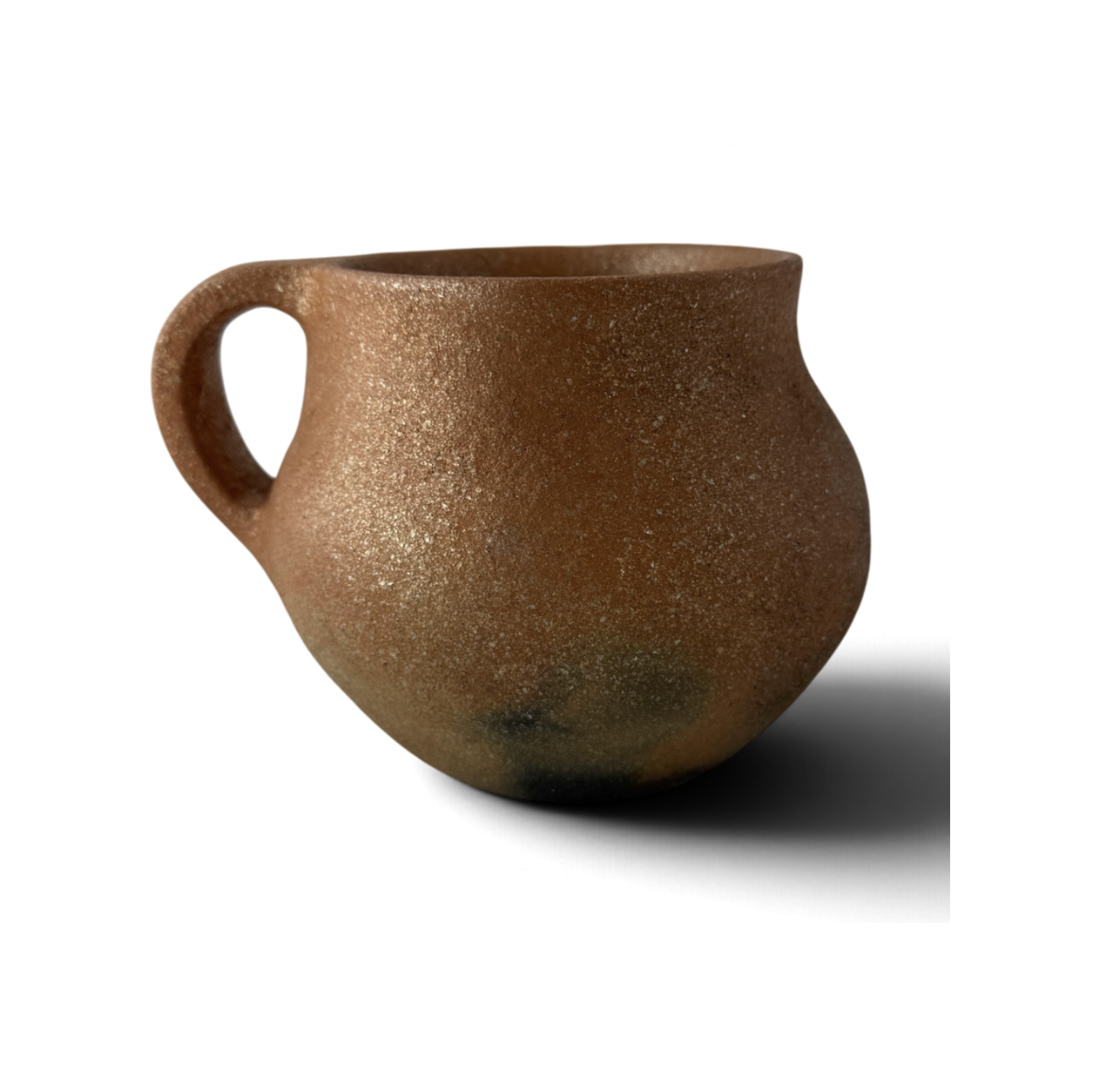
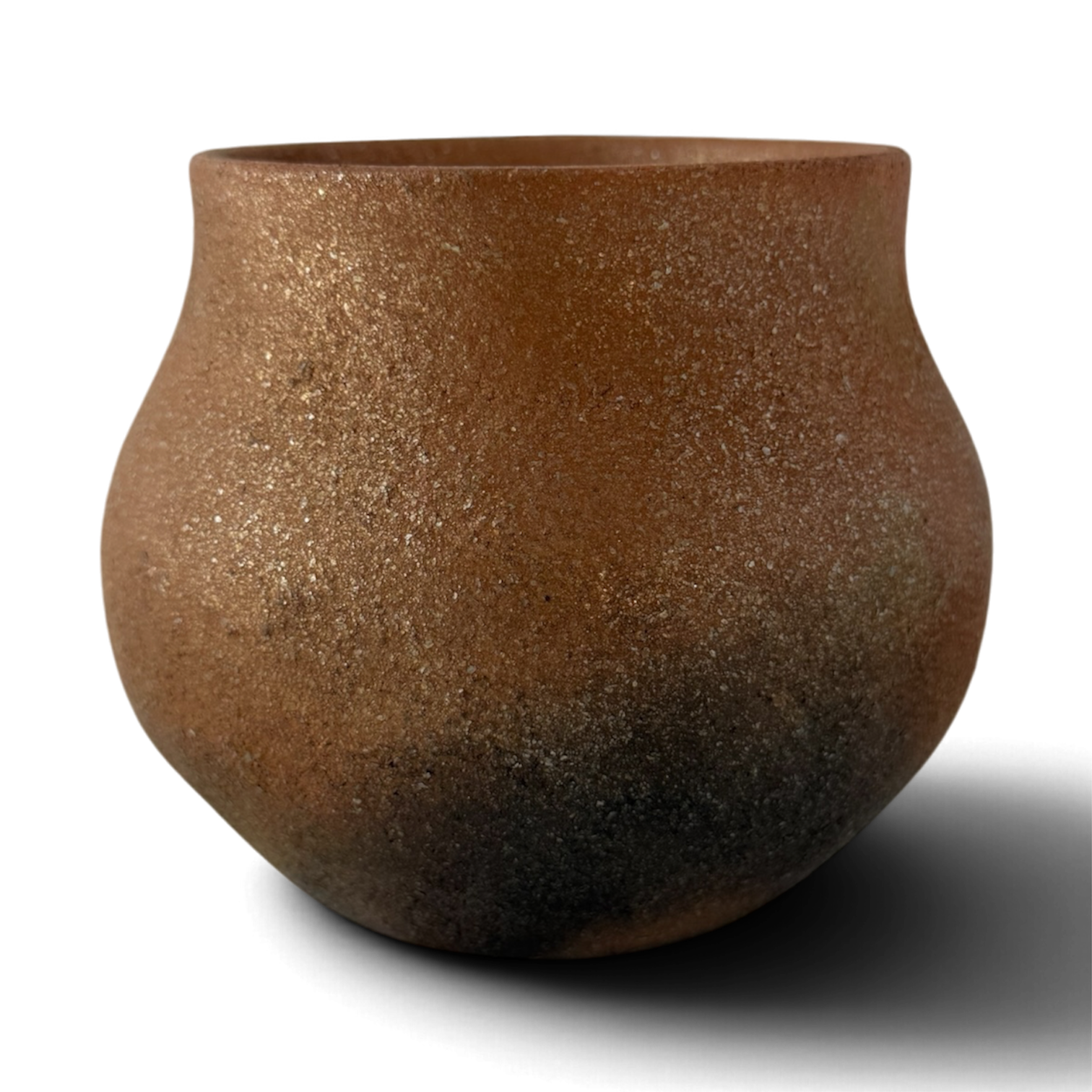
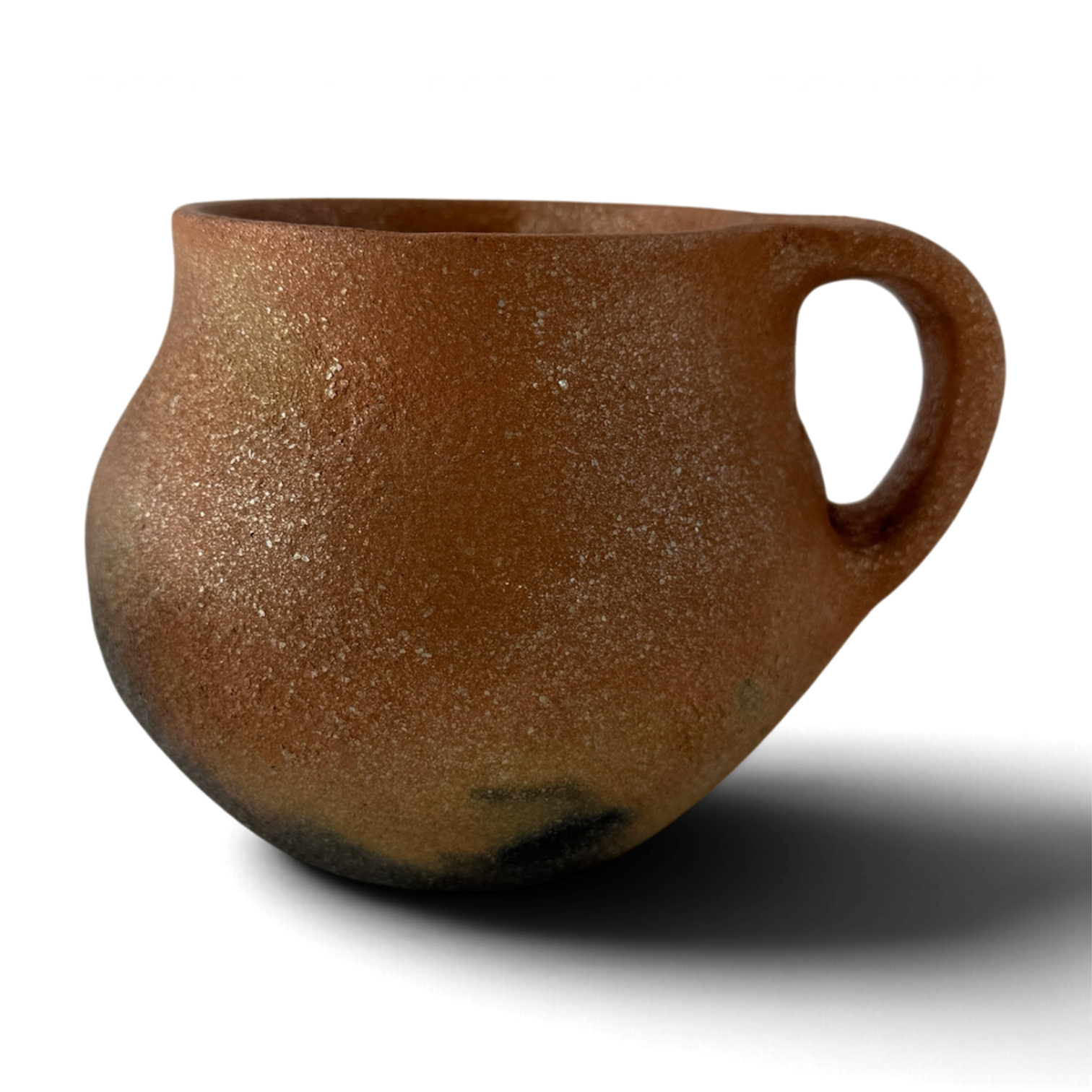
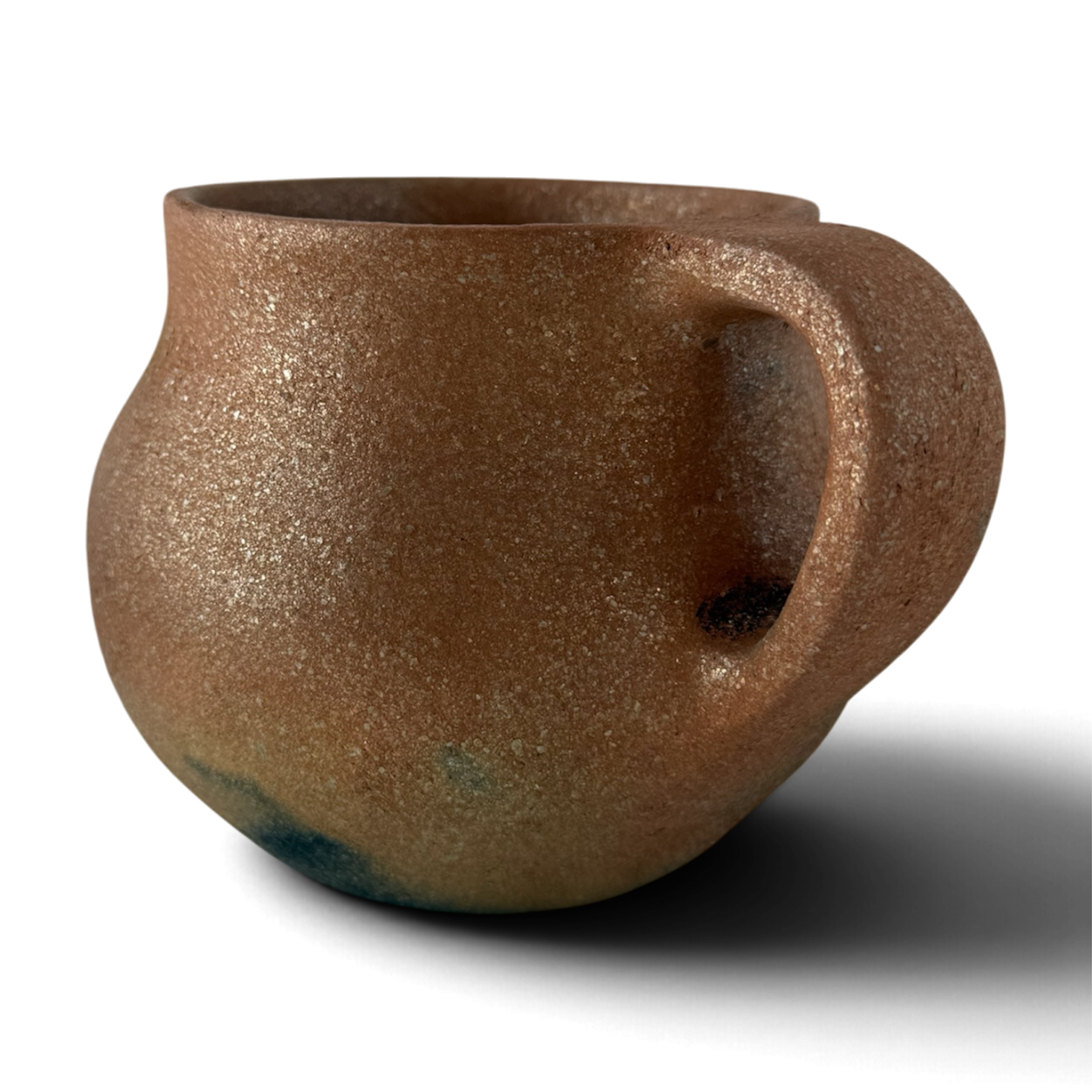
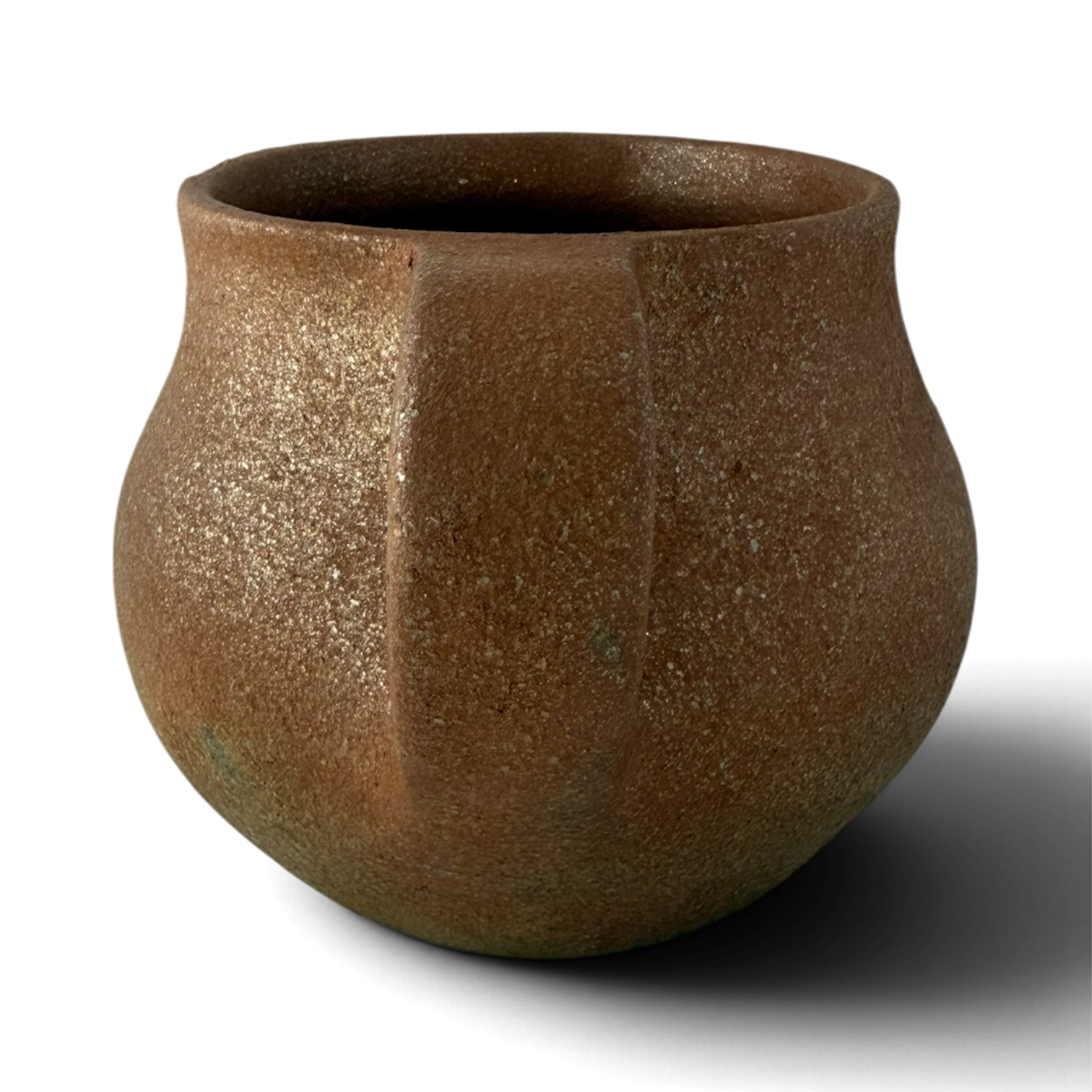
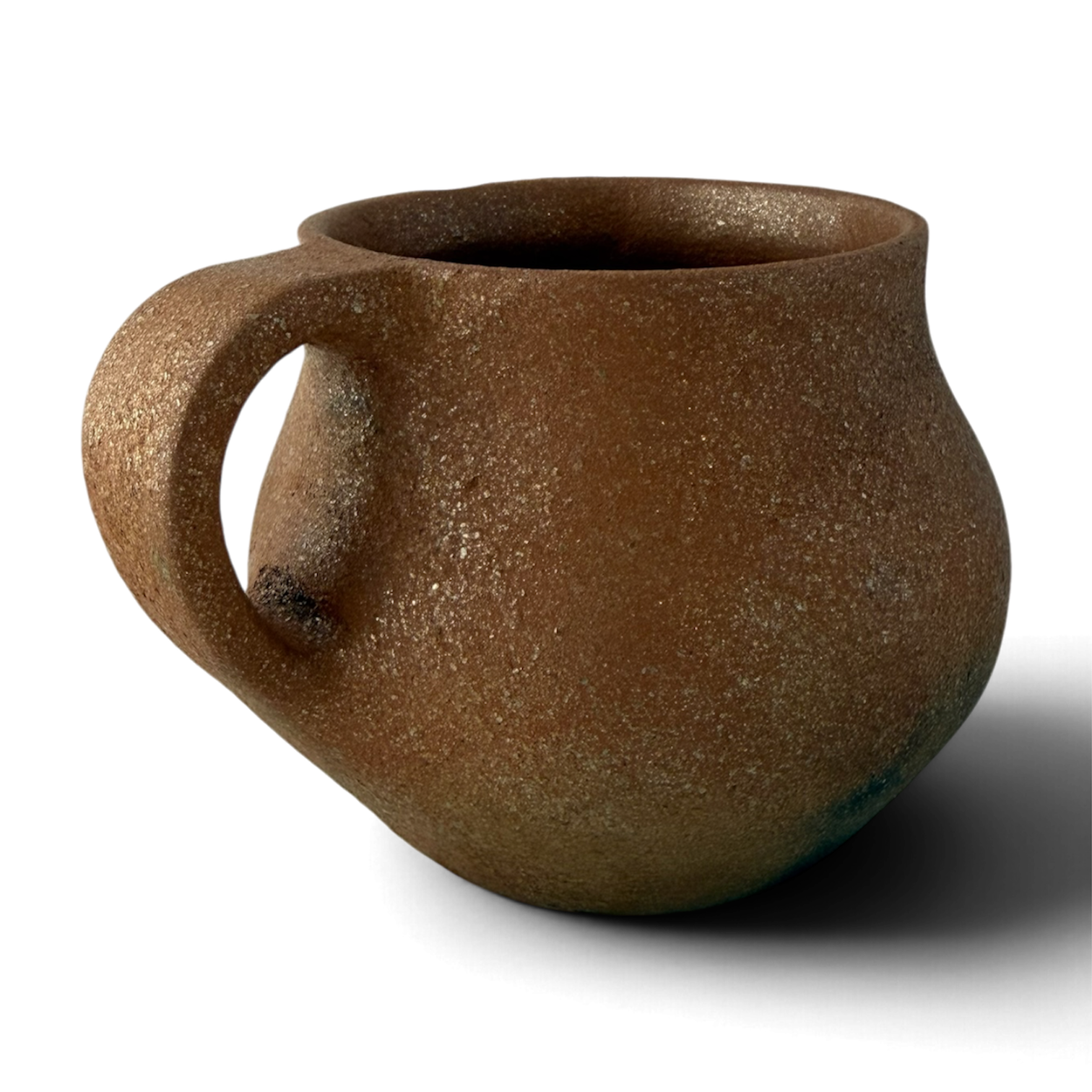




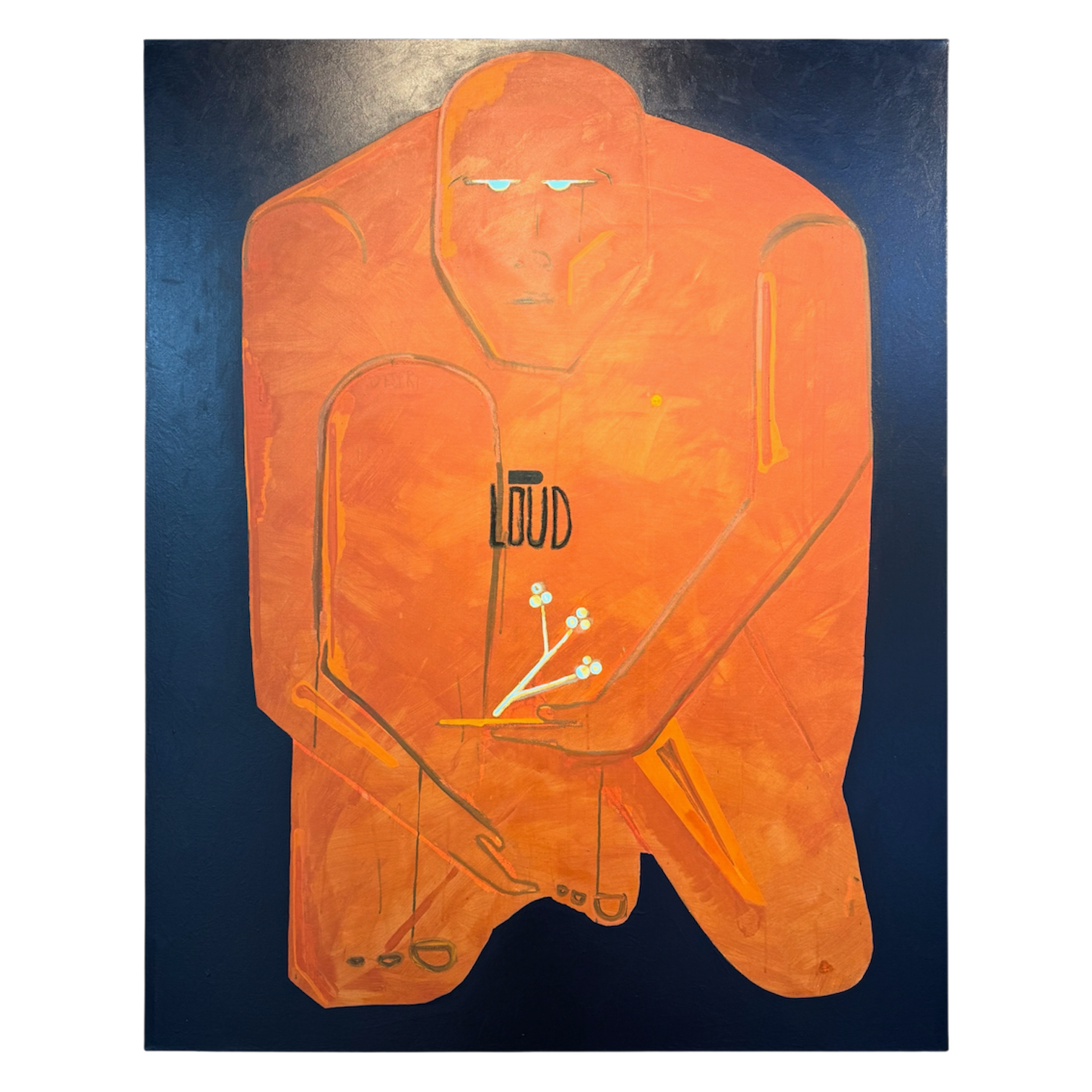
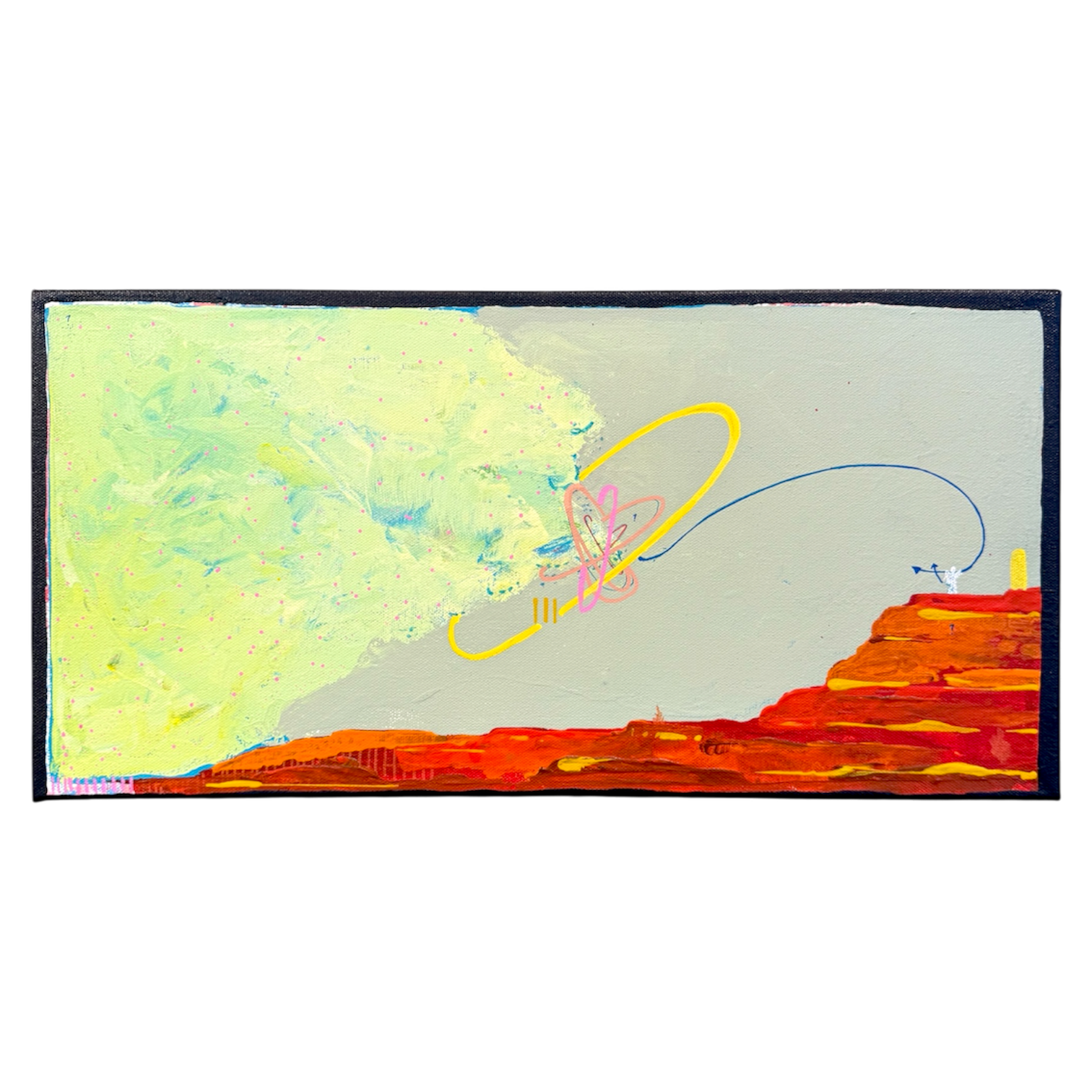
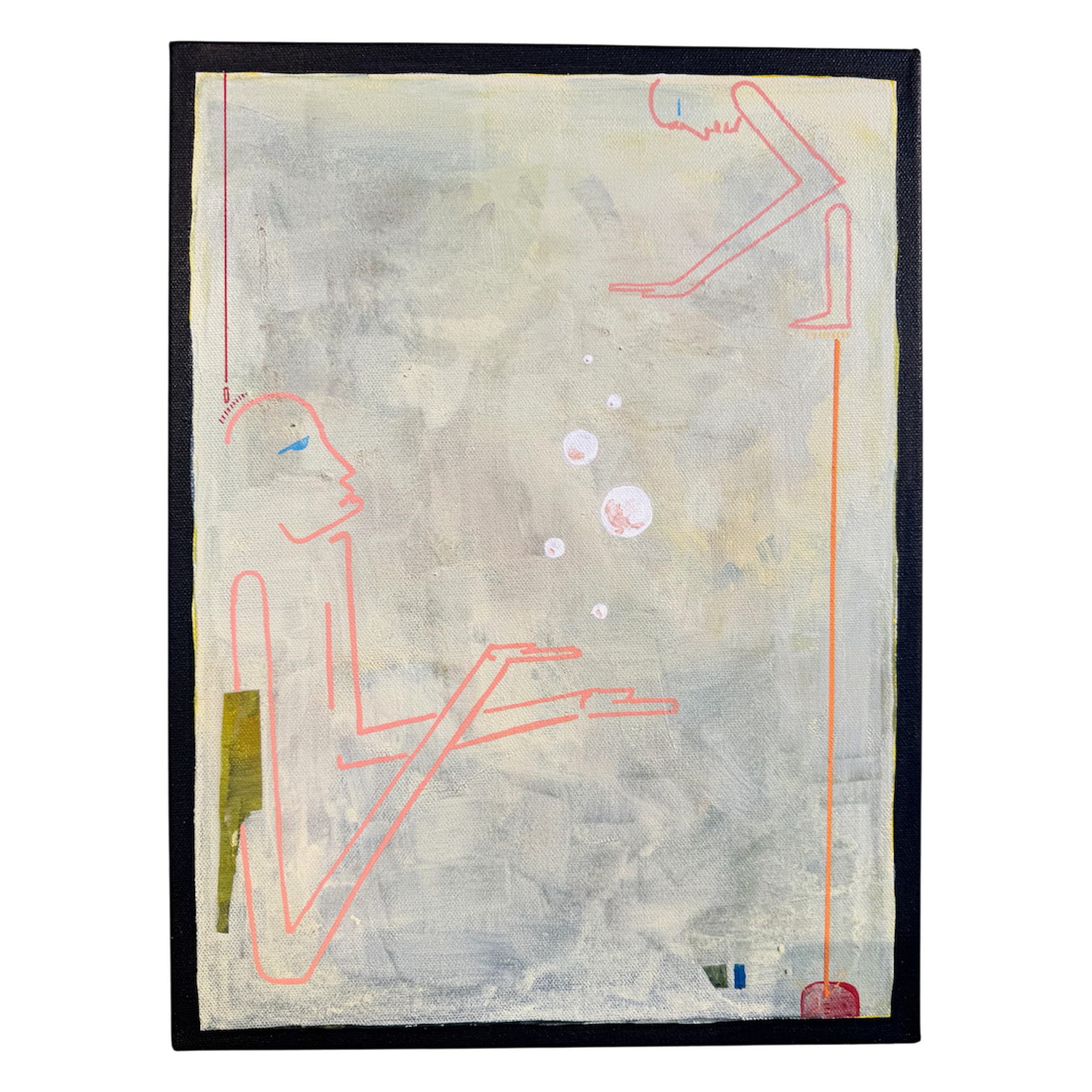
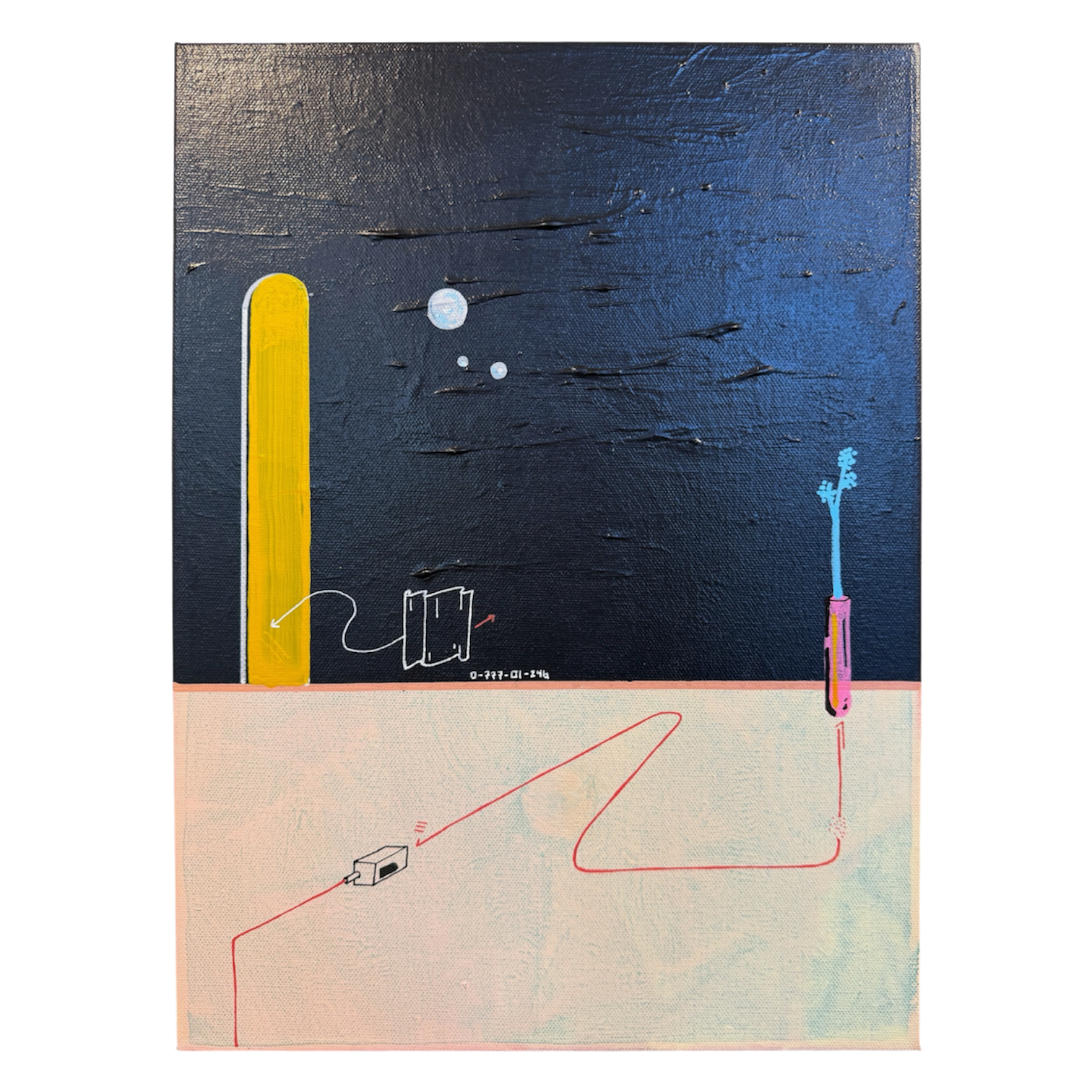
Debbie Carrillo, a Santa Fe-based micaceous potter, explores the history and cultural traditions of northern New Mexico through hand-coiled pottery. Her utilitarian vessels draw from micaceous pottery traditions associated with Genízaro communities in and around Abiquiú during the eighteenth and nineteenth centuries. Characterized by their elegant forms, unpainted surfaces, and distinctive fire clouds created during wood firing, Carrillo’s vessels connect historical practices with contemporary life. A native New Mexican born in Española, Carrillo studied with the noted Jicarilla Apache potter Felipe Ortega. She highlights the role of micaceous pottery in Hispanic culture. In her application to the Spanish Market in Santa Fe, she had to convince the committee that micaceous ceramics are part of Hispanic culture, which led to her receiving the Spanish Market's Lifetime Achievement Award in 2014.
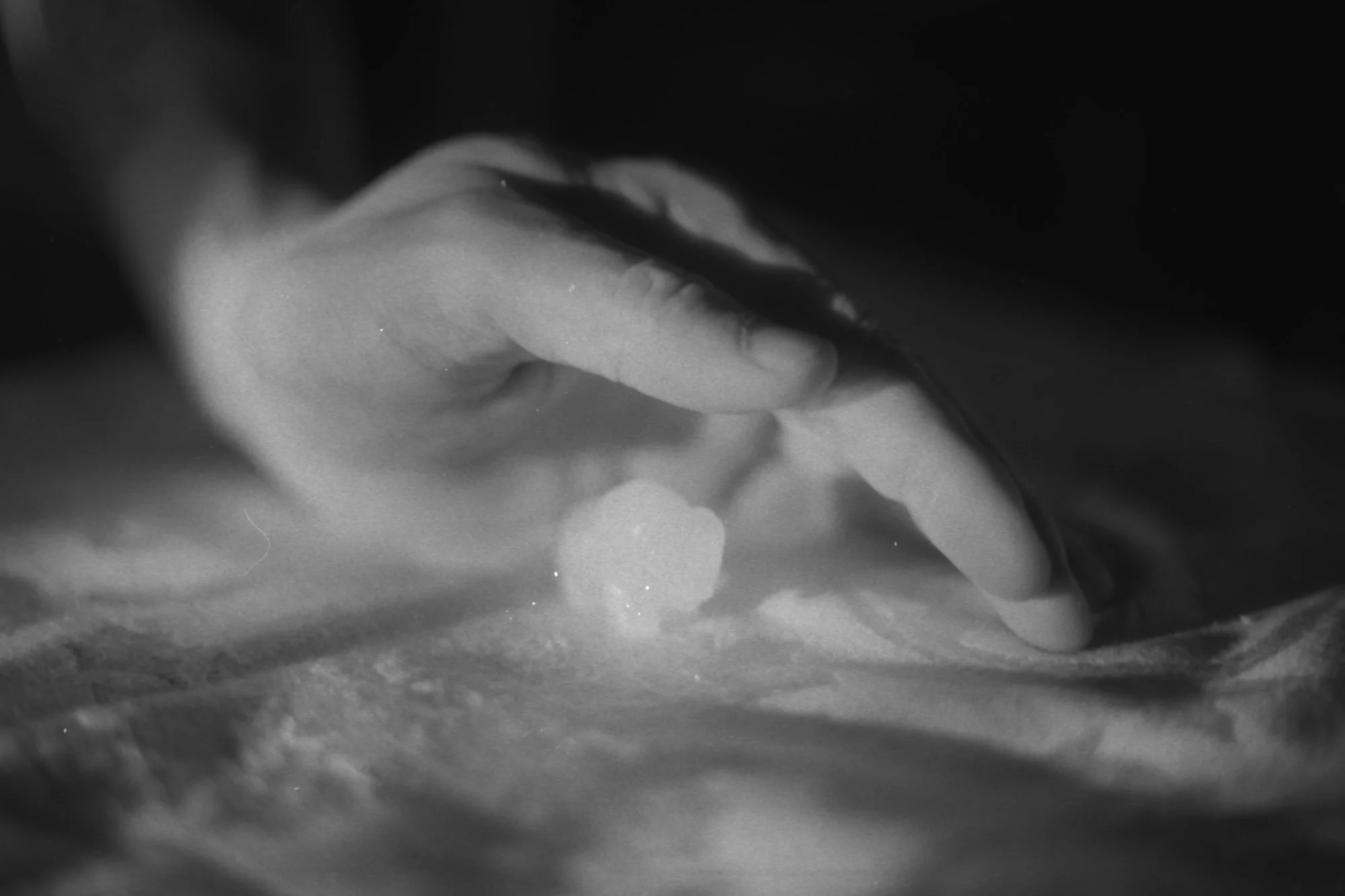
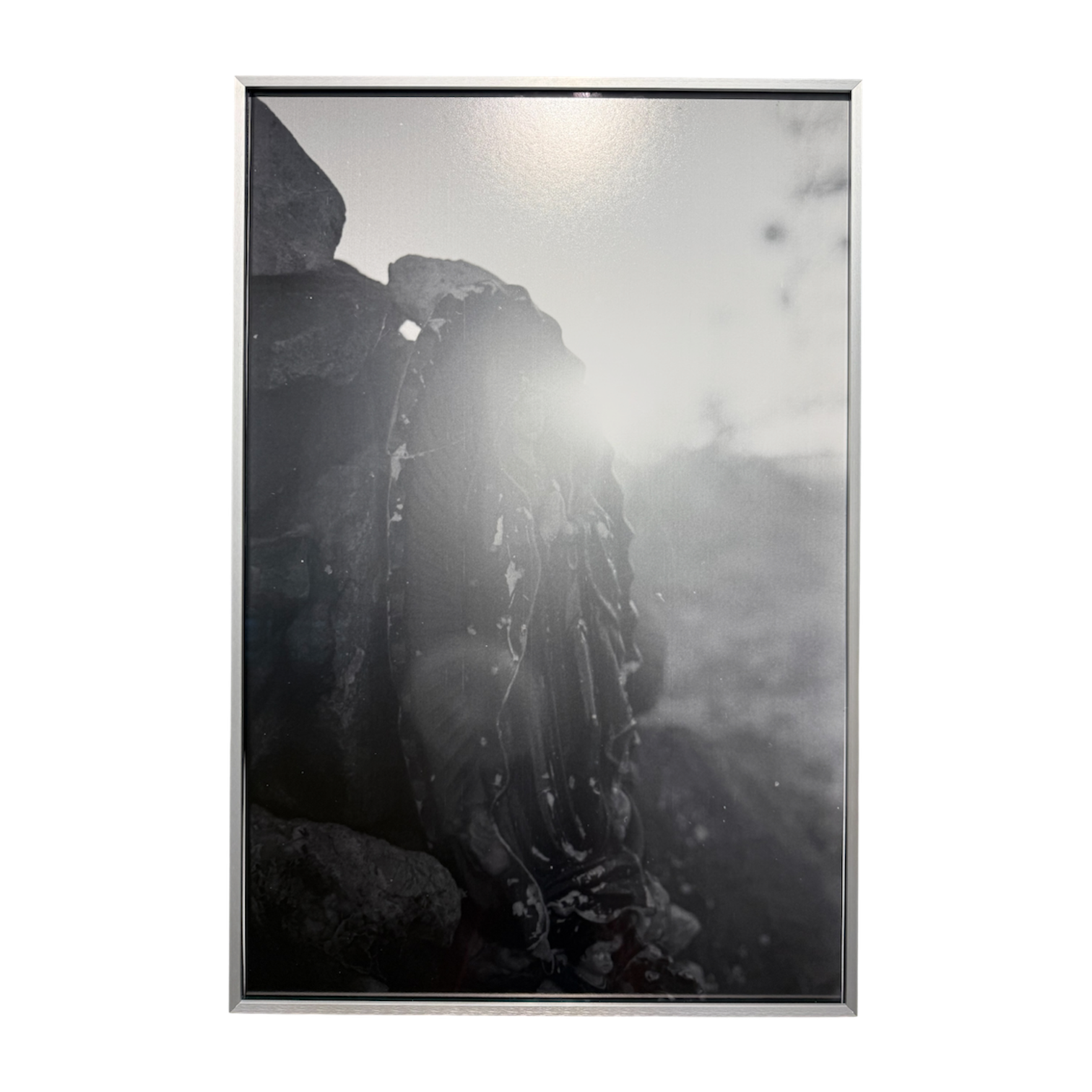
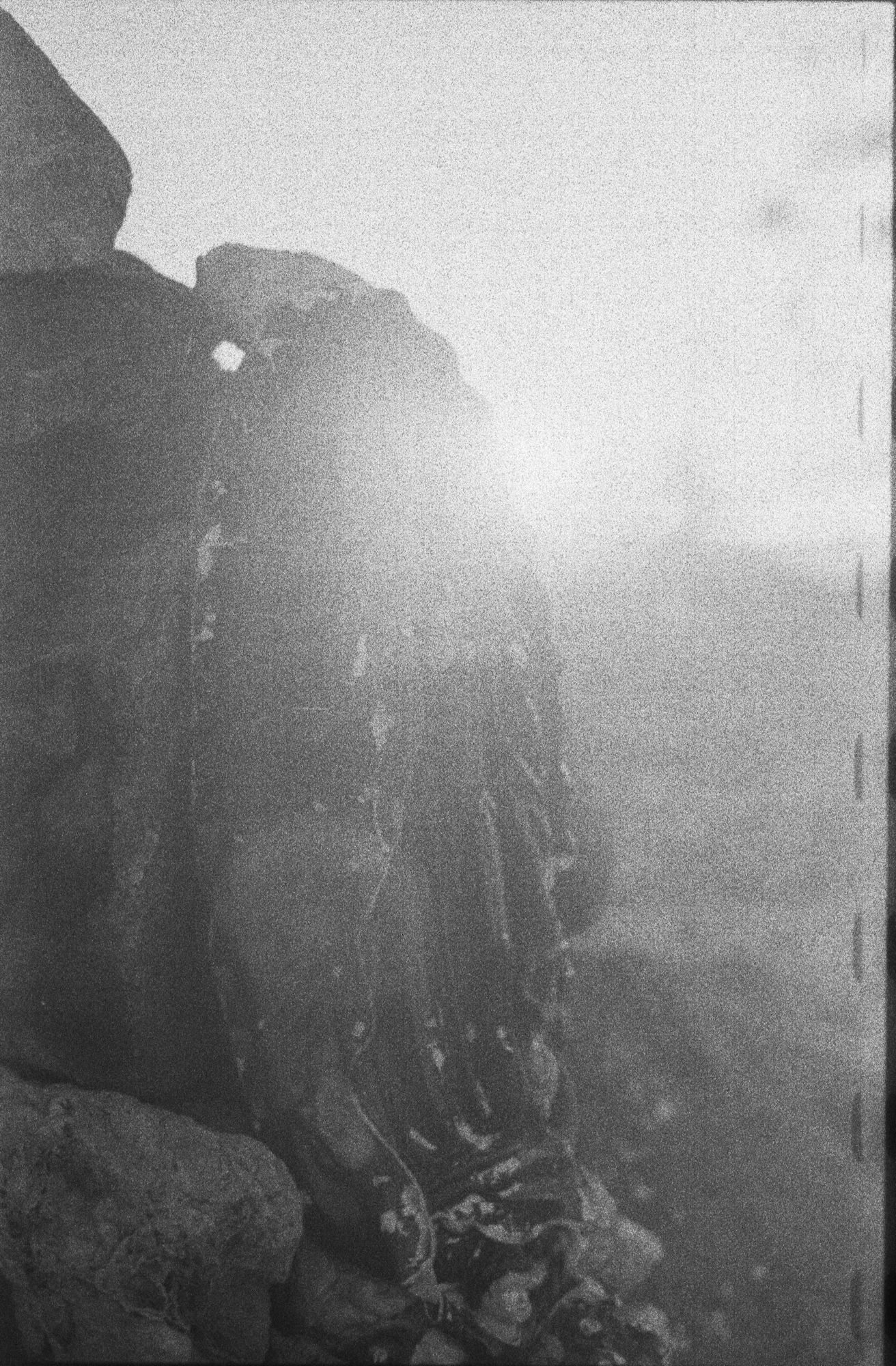
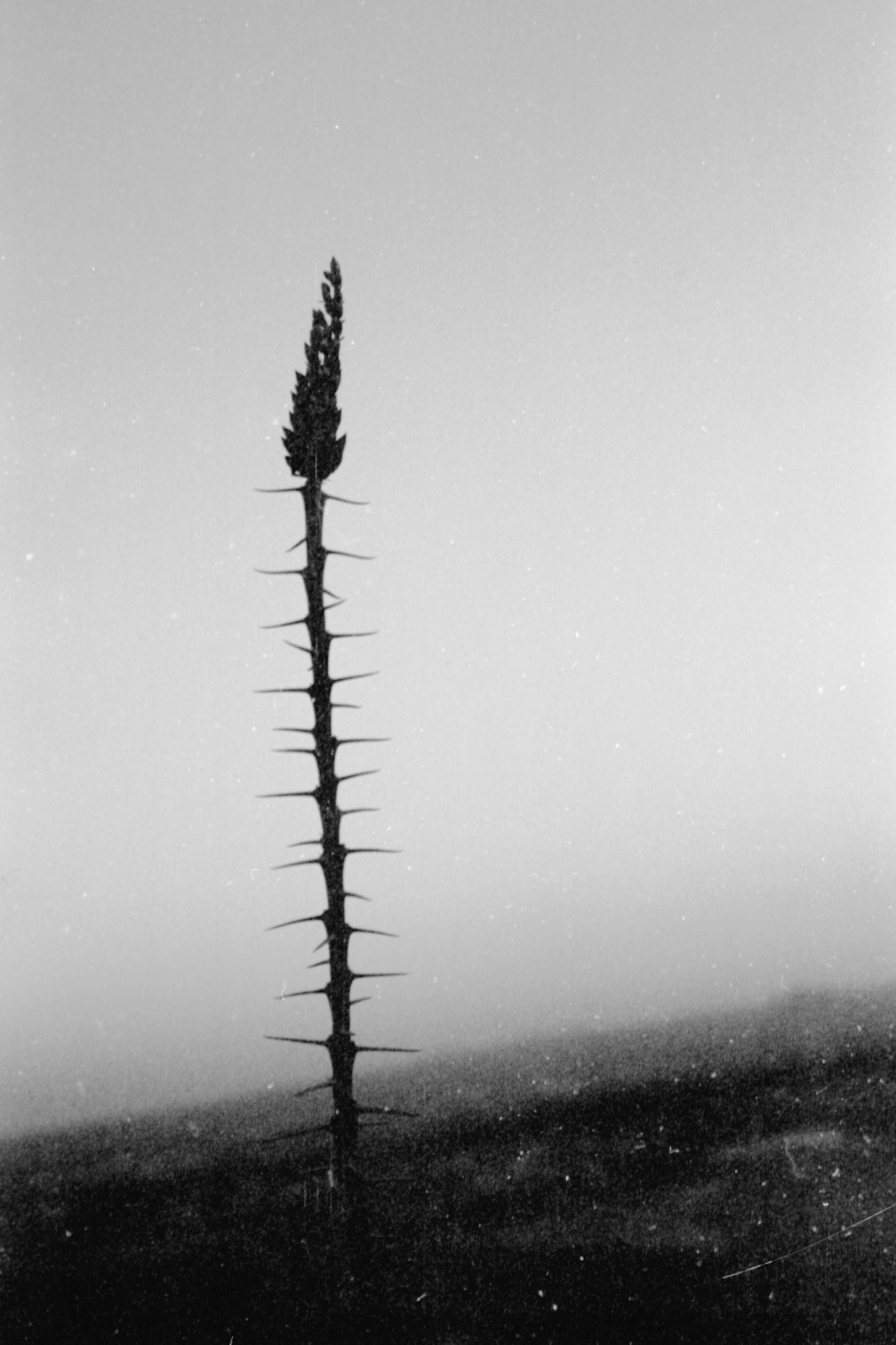
Marcus Xavier Chormicle (Agua Caliente Band of Cahuilla) is a Las Cruces-based artist and photographer whose work addresses grief, memory, family, and the continuing effects of systemic violence. Currently pursuing an MFA in photography at the University of Arizona, Chormicle combines photography with collage, land-based installation, artist books, and performance. His work draws upon personal and political histories, including the histories of violence across the Southwestern territories of the United States, to examine how loss and trauma move across generations.
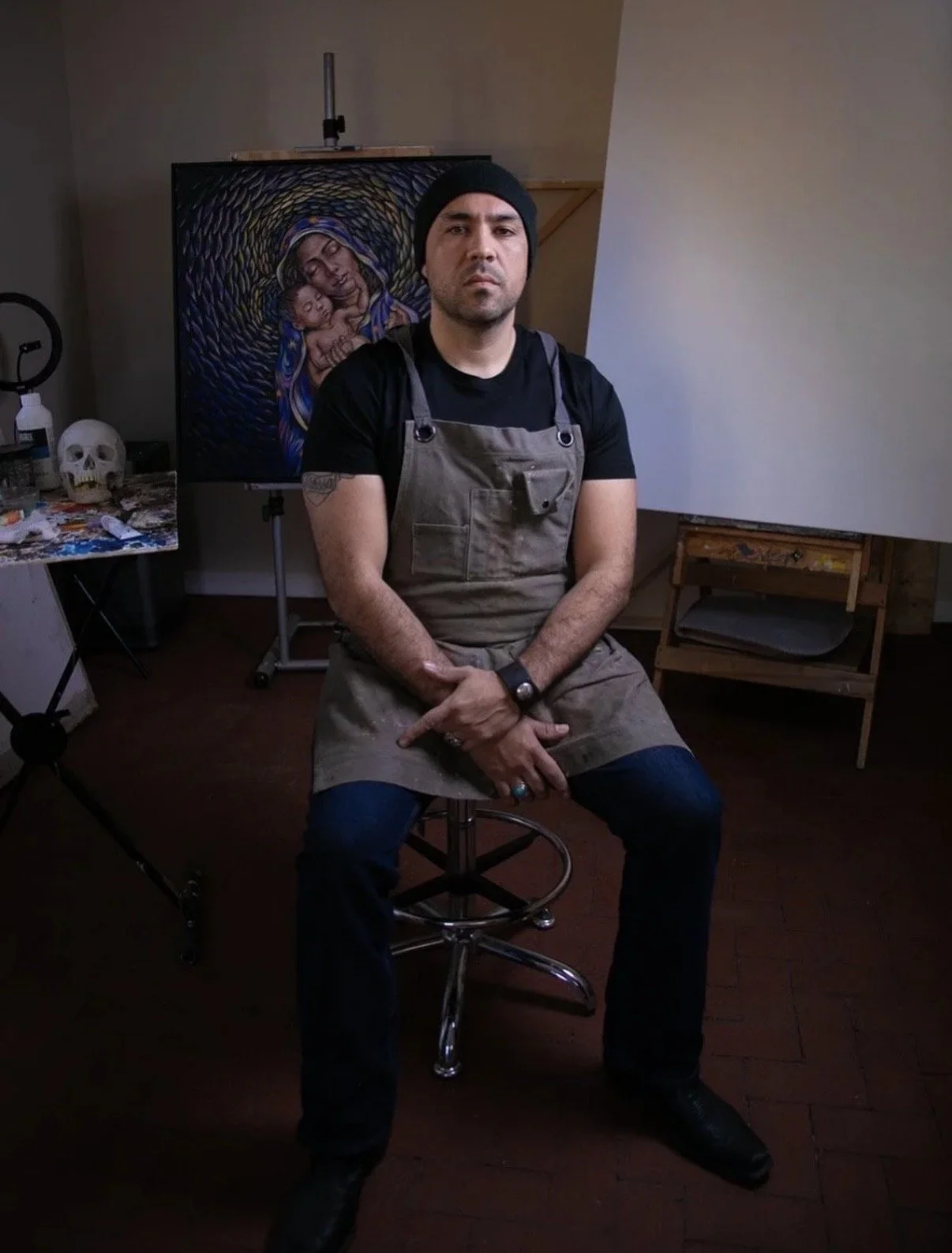
A self-taught artist, Eric Romero combines bold color, realism, and evocative metaphor in paintings that explore myth, philosophy, storytelling, and contemporary Hispanic life in New Mexico. Drawing upon the traditions of portrait and landscape painting, including the compositions and techniques of High Renaissance and Baroque artists, Romero places figures within richly developed landscapes that provide historical and cultural context. His paintings blend art-historical references with contemporary experience to examine the stories that shape identity and place.
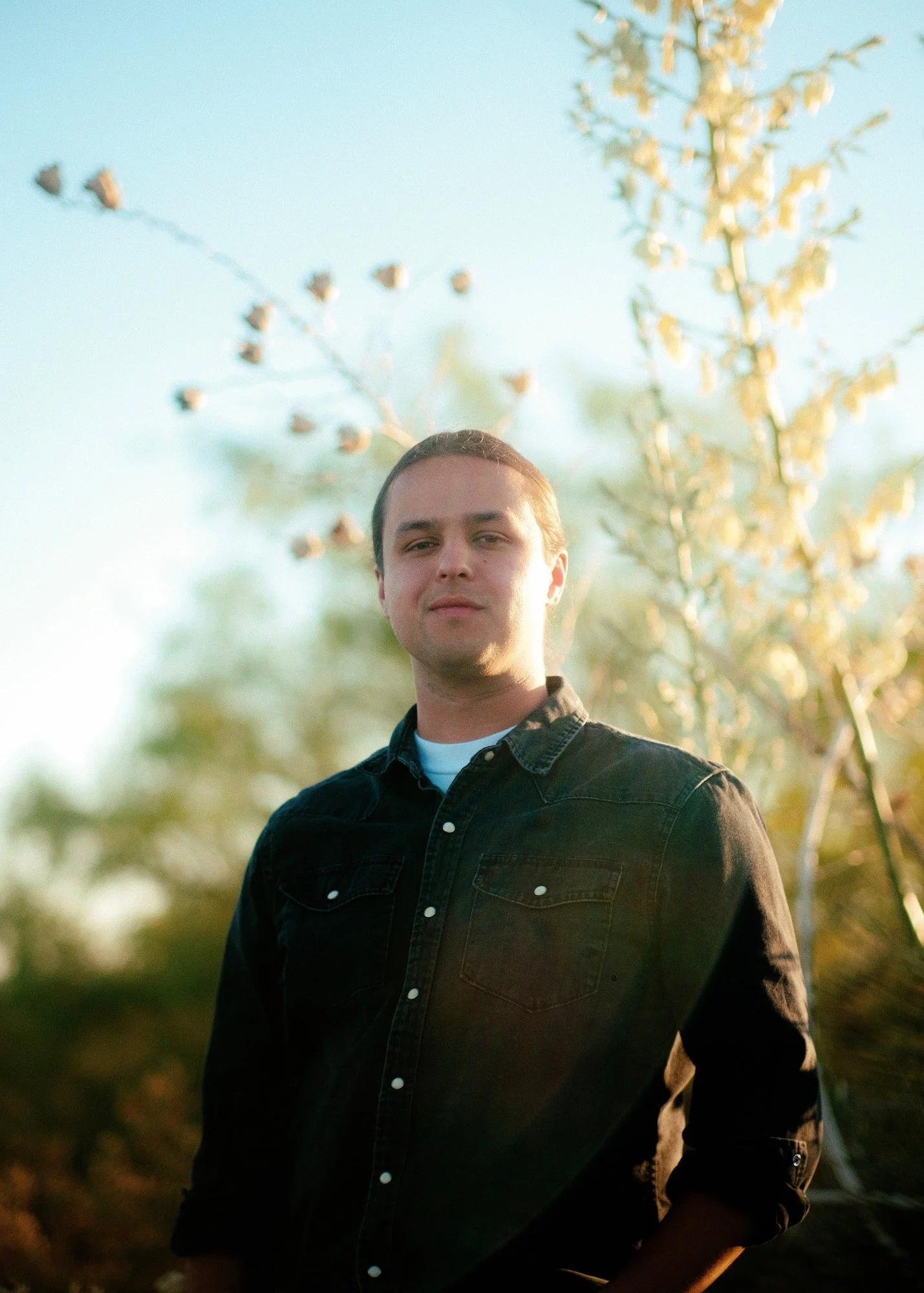
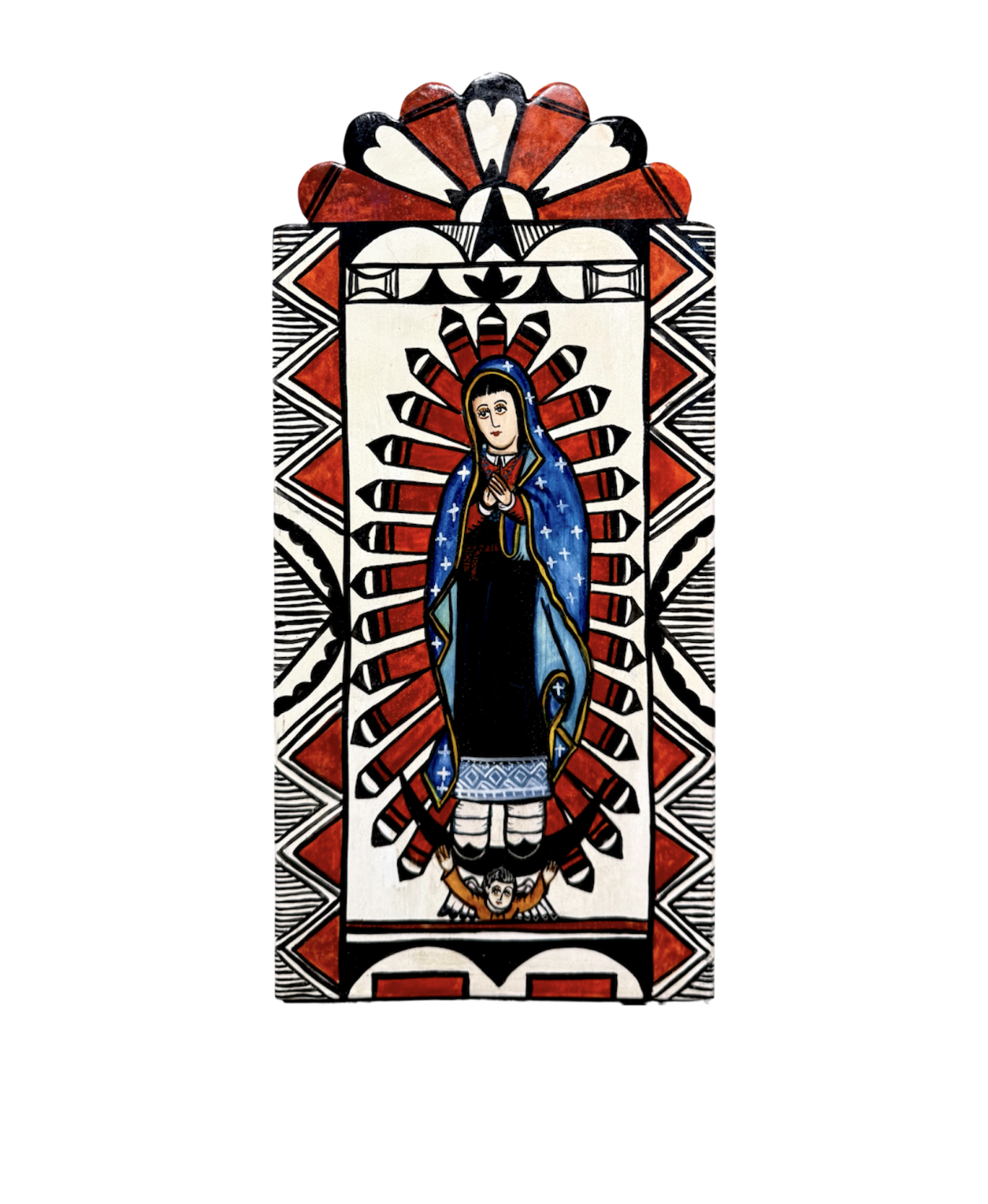
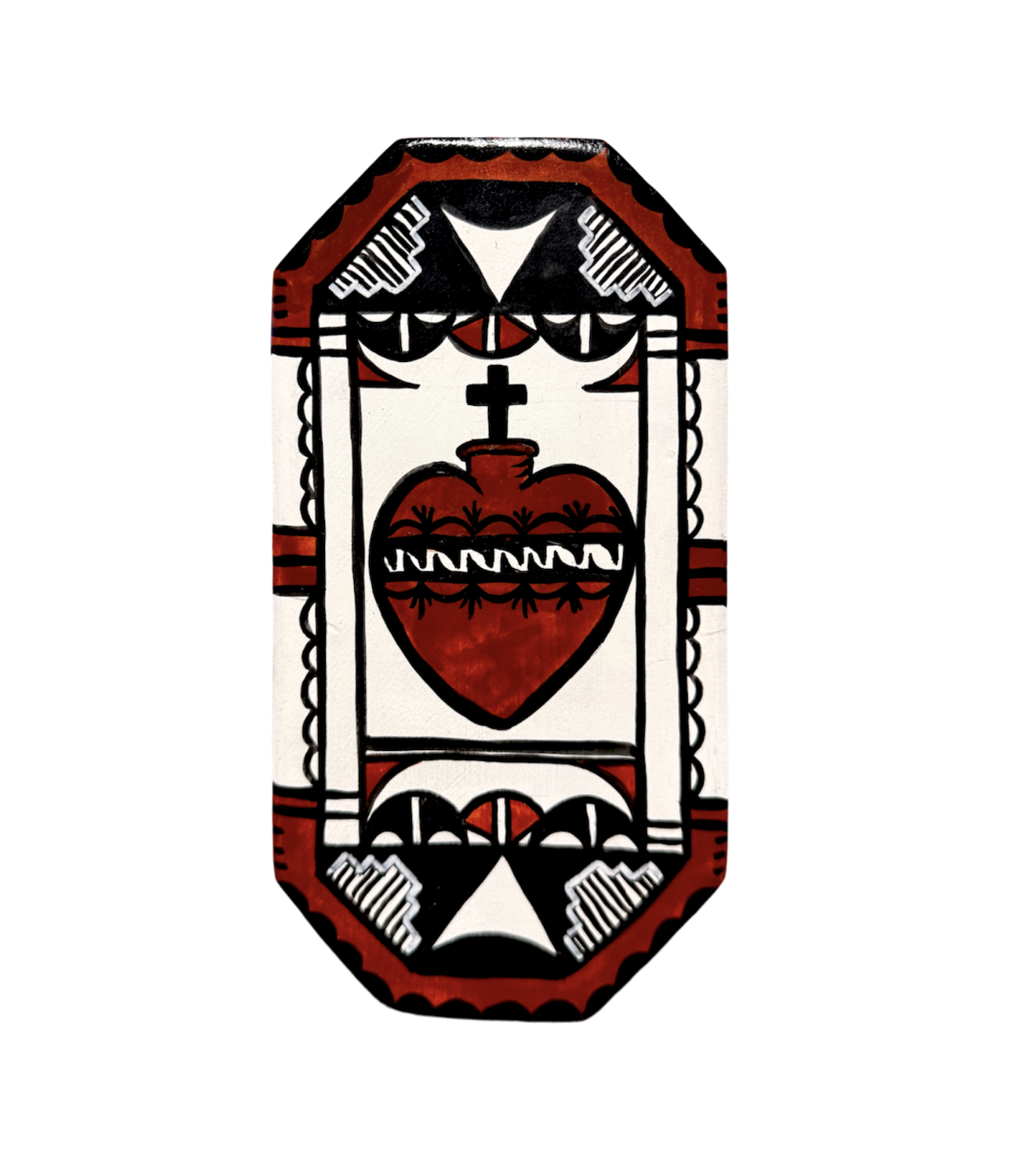
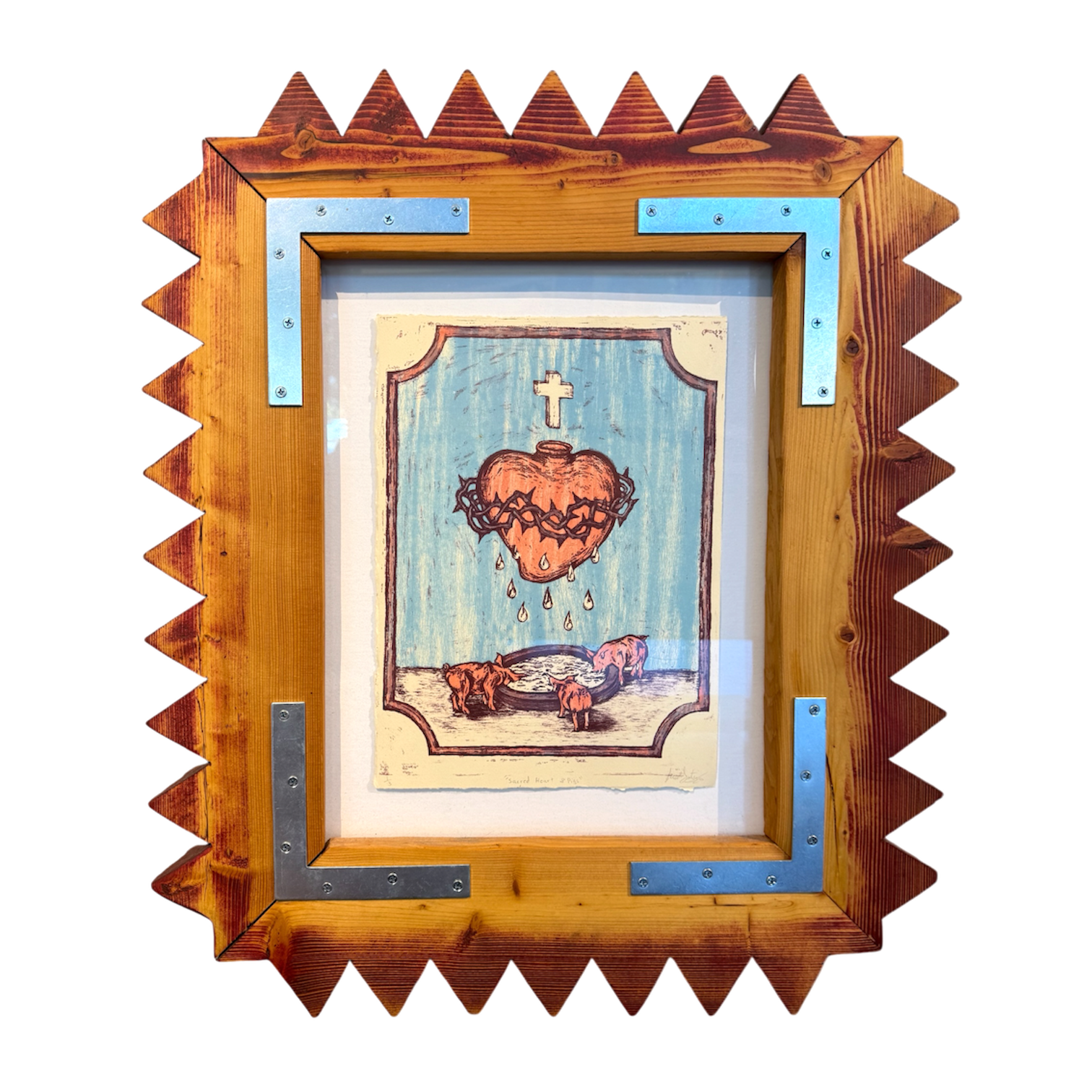
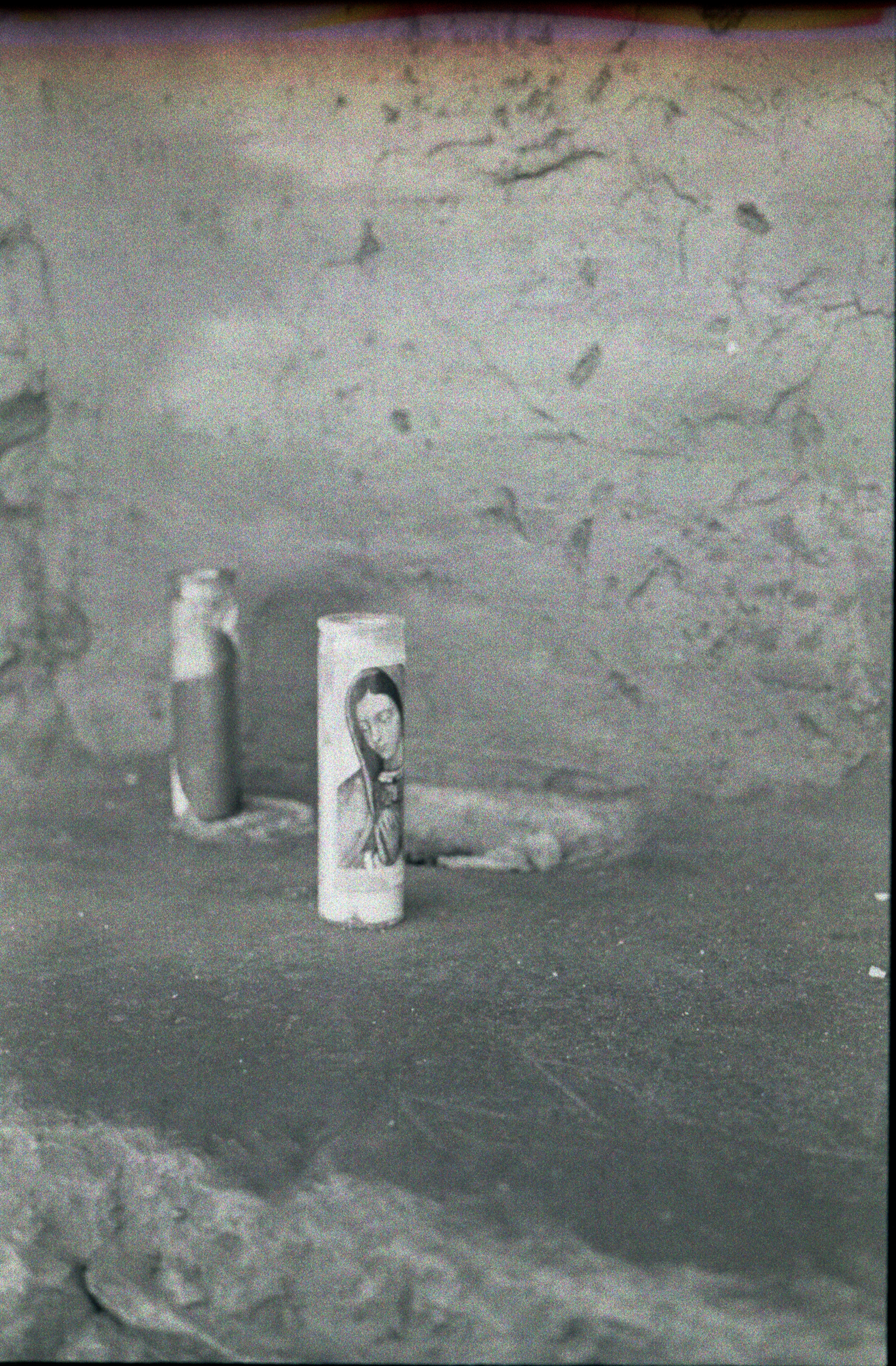
Born and raised in Albuquerque, Jacob Gutierrez graduated from the University of New Mexico with degrees in Art Studio and Chicana and Chicano Studies. Gutierrez views his practice as a form of prayer, incorporating sacred imagery from a contemporary perspective to bring historic figures and forms into today’s world. The artist utilizes many media, including painting, printmaking, bookmaking, woodcarving, and tinwork, to create retablos and other versions of sacred figures like the Virgin of Guadalupe and the Corazón de Fuego, or heart of fire.
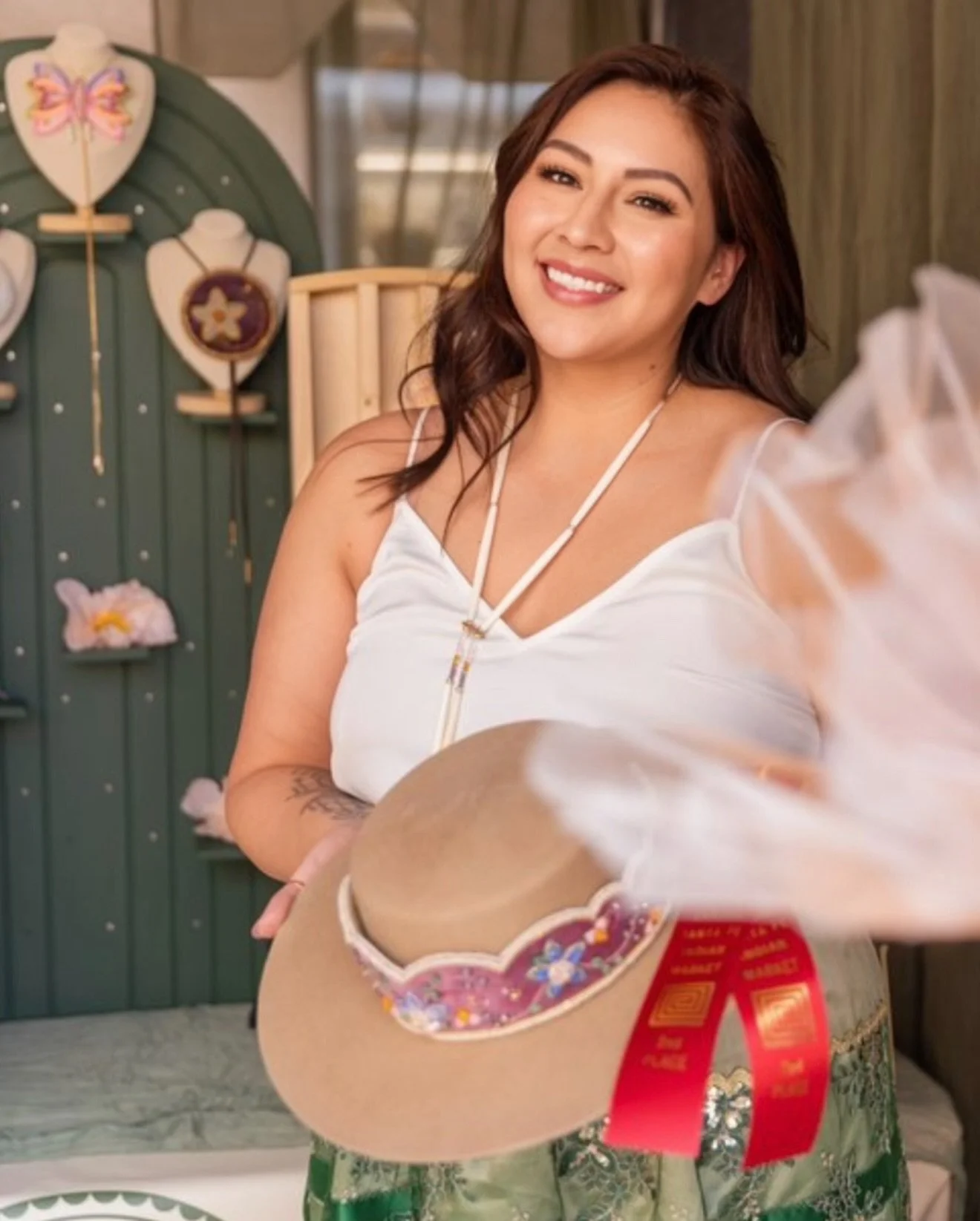
Arla Lucia (Seneca-Cayuga Nation of Oklahoma) is a self-taught artist based in New Mexico who creates intricate beadwork and personal adornment informed by Haudenosaunee traditions. Raised in Colorado, away from her ancestral homelands, Lucia studied her grandmother's beadwork and developed a practice centered on traditional techniques and the significance of floral imagery. Her celestial and botanical designs reflect the importance of plant life, beauty, and cultural knowledge while continuing a tradition of beadwork passed through generations.
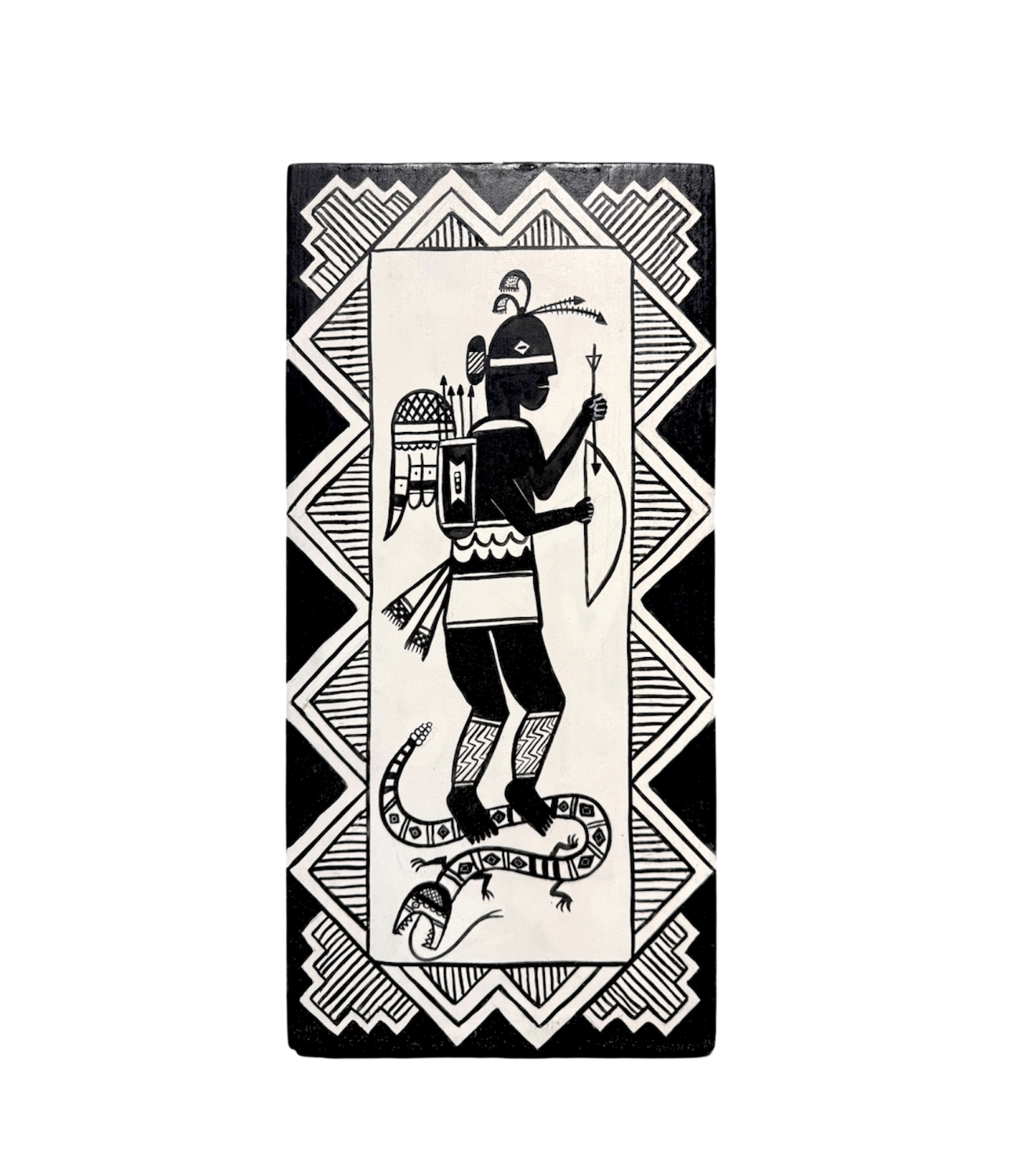
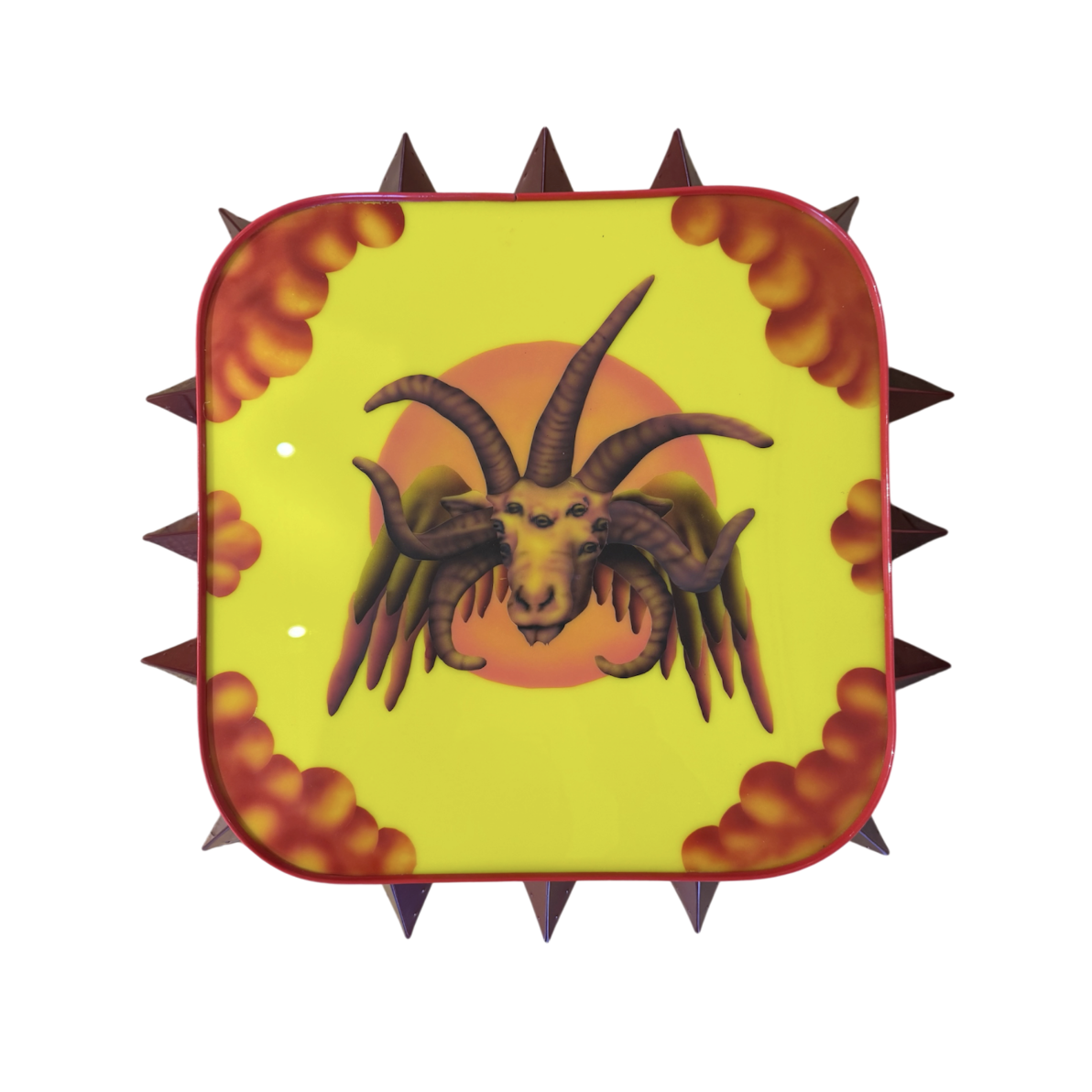
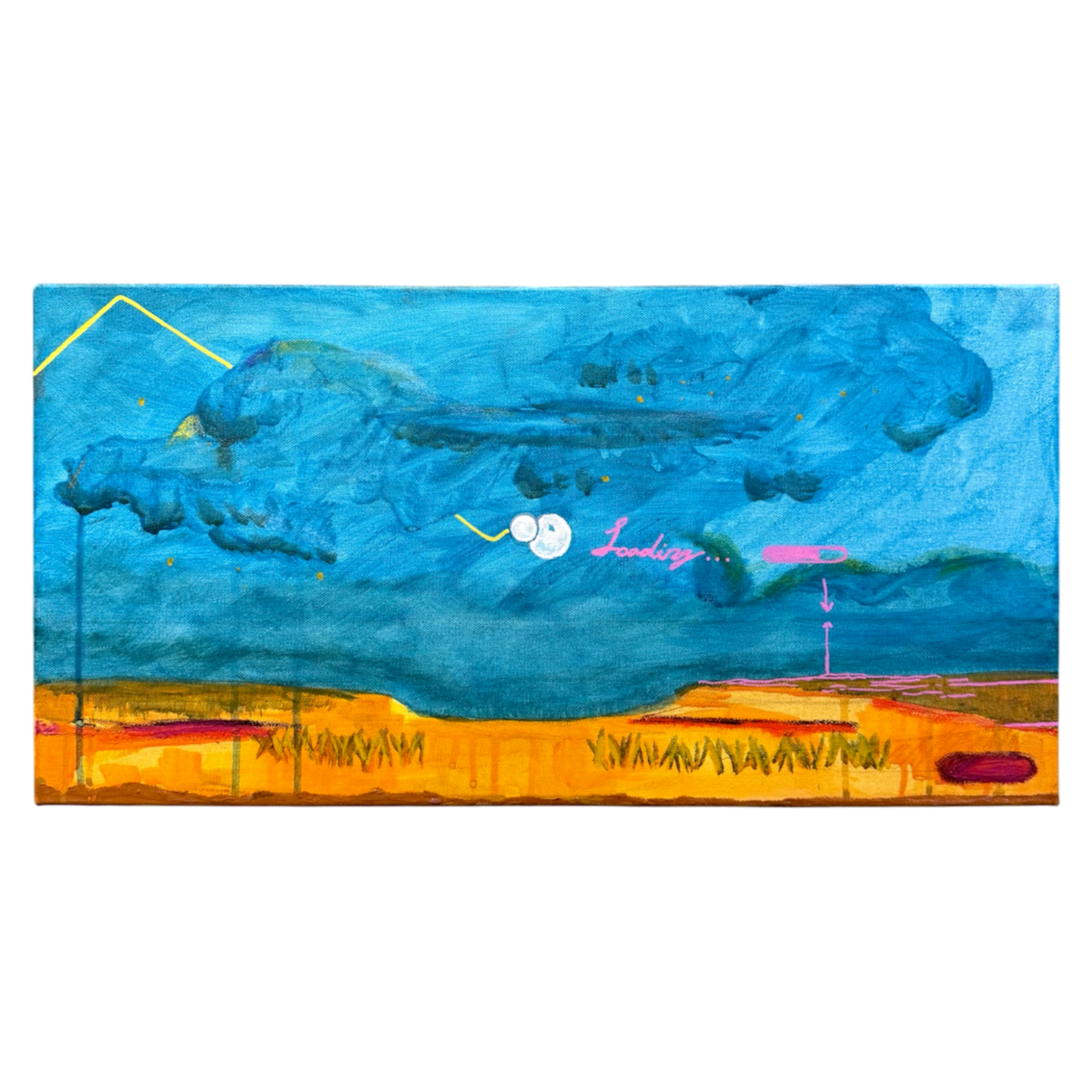
Diego Rigales examines the tension and reciprocity between creation and destruction, trust and skepticism, humanity and artificial intelligence. Working primarily in painting and sculpture, Riglaes treats analog media as both a recording device and a form of resistance, insisting on material presence in an era of accelerating digital fabrication. His practice draws on classical techniques and traditional visual languages, reconfigured through mural-scale thinking and diagrammatic storytelling. Central to Rigales’ work is a belief in the communal—that shared human capacity to shape the future collectively. By engaging in the dual impulses of honoring the past while confronting emergent technologies, his work positions the present moment as historically pivotal. Rigales’s art functions as a layered archive: fragments that gain fuller meaning when understood as part of an interconnected whole.