
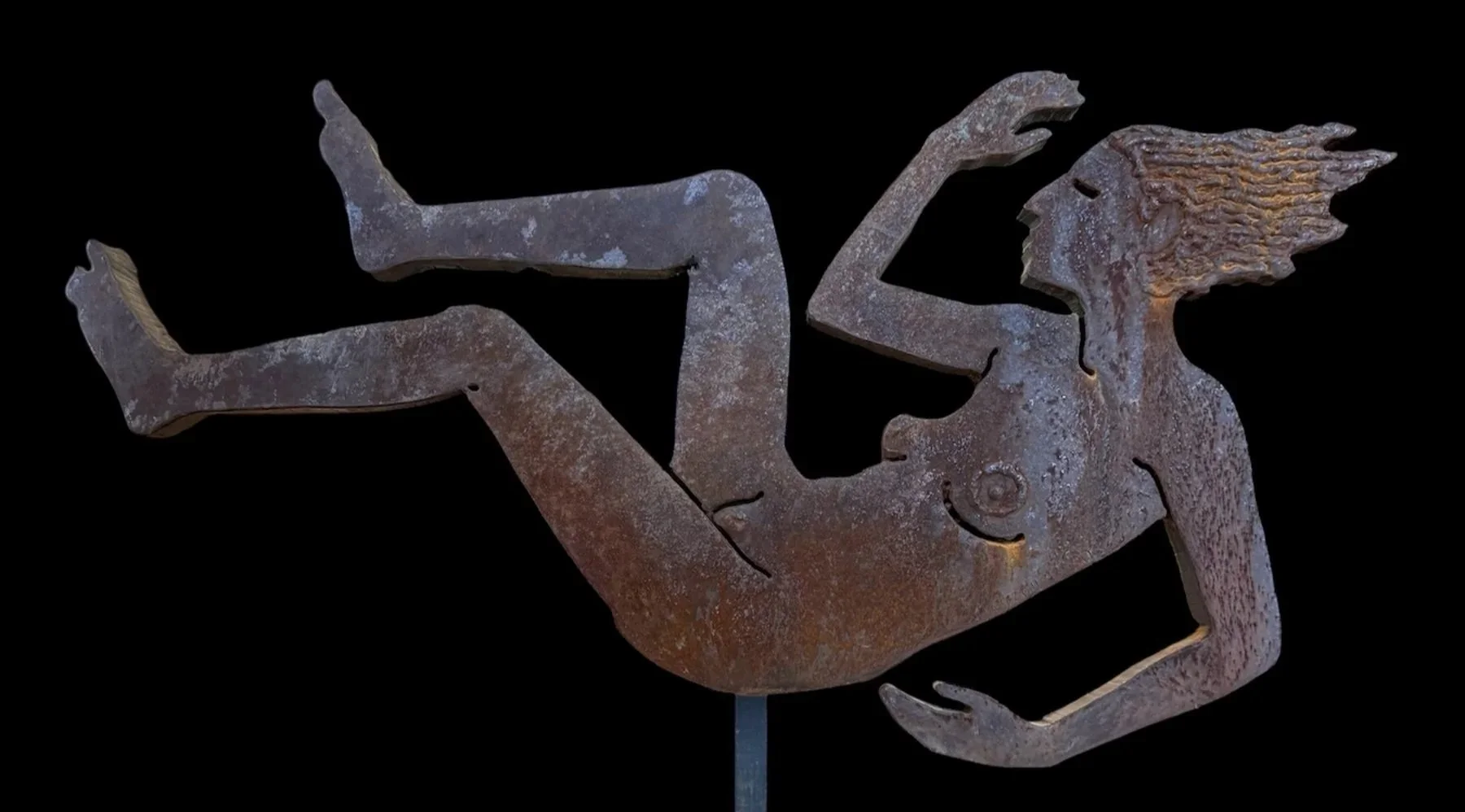
Big Ideas: Jamison ‘Chas’ Banks, Kelly C. Frye, Russell Frye, Ira Lujan, and Bob Haozous
What’s the big idea!?
Big Ideas brings together artists whose work confronts the complexity of history, land, and lived experience. Each of the artists in the exhibition—Kelly Frye, Russell Frye, Bob Haozous, and Ira Lujan—grapples with ideas that extend well beyond the gallery walls. Their works consider enduring relationships to land, the generational consequences of nuclear testing in New Mexico, and deeply personal narratives of resilience forged across a lifetime. As we move into 2026, the urgency of these concerns feels unmistakable. We need art that is willing to engage complexity rather than simplify it, to hold history alongside hope, and to insist on the power of big ideas.
View available works in Big Ideas at Gallery Hozho


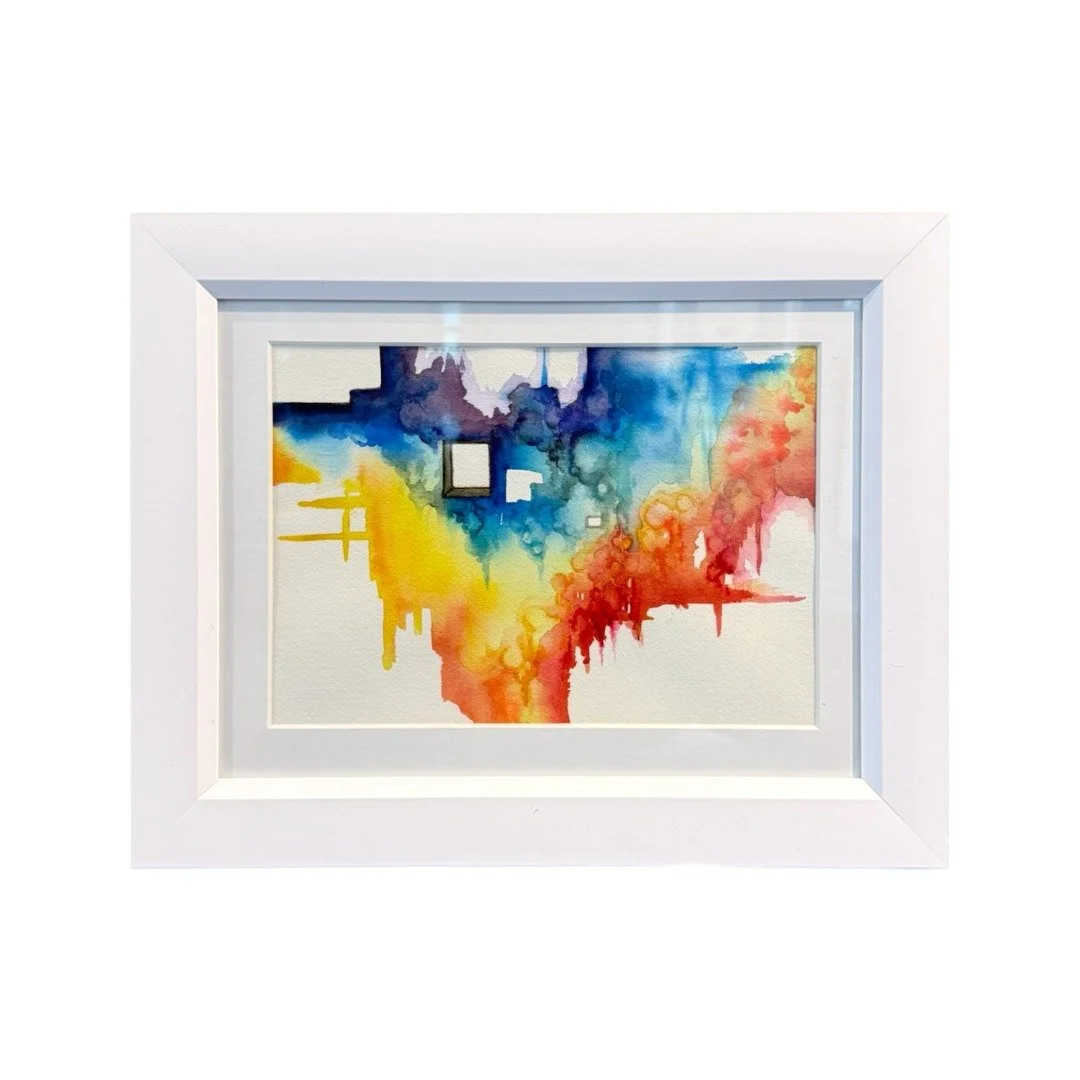
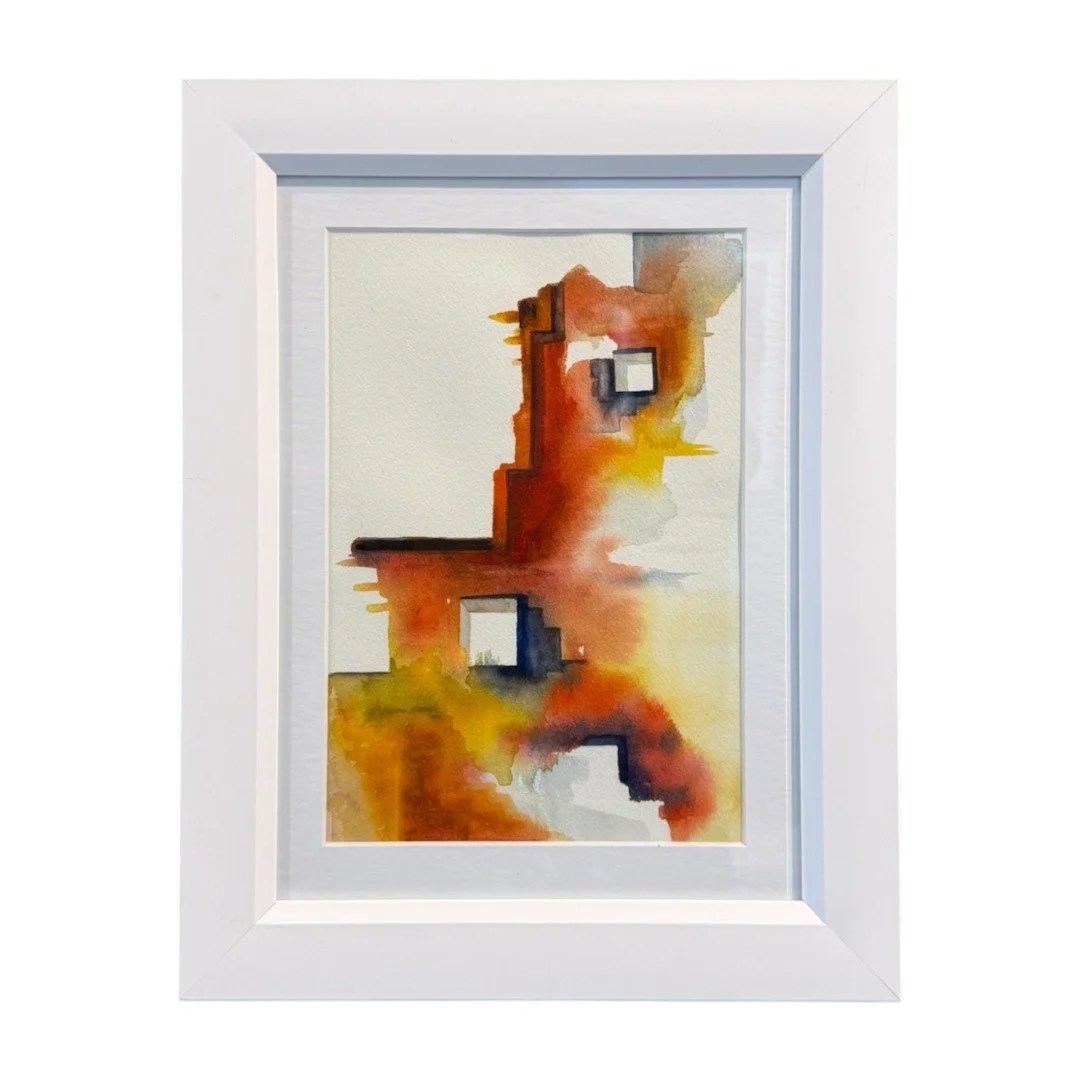
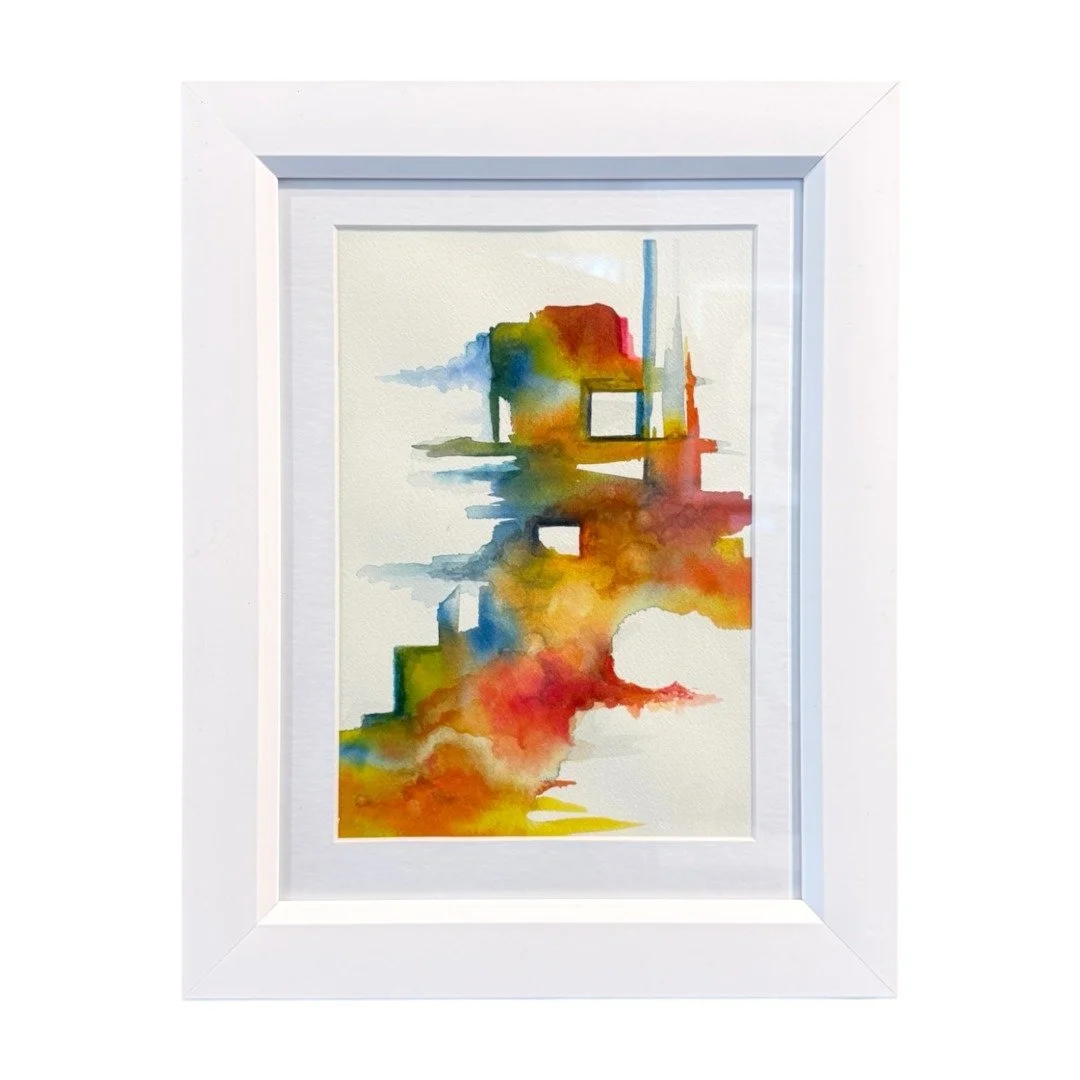
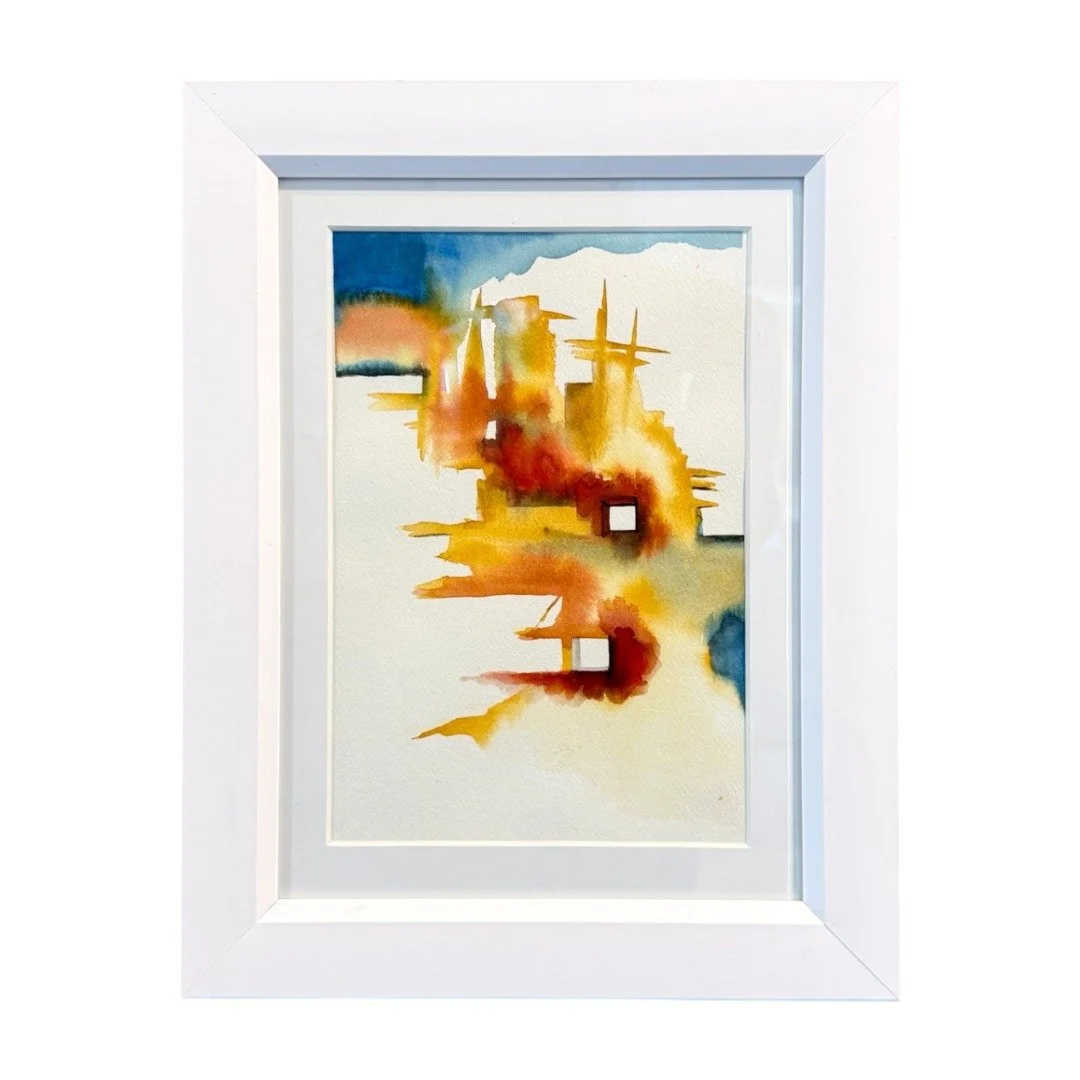
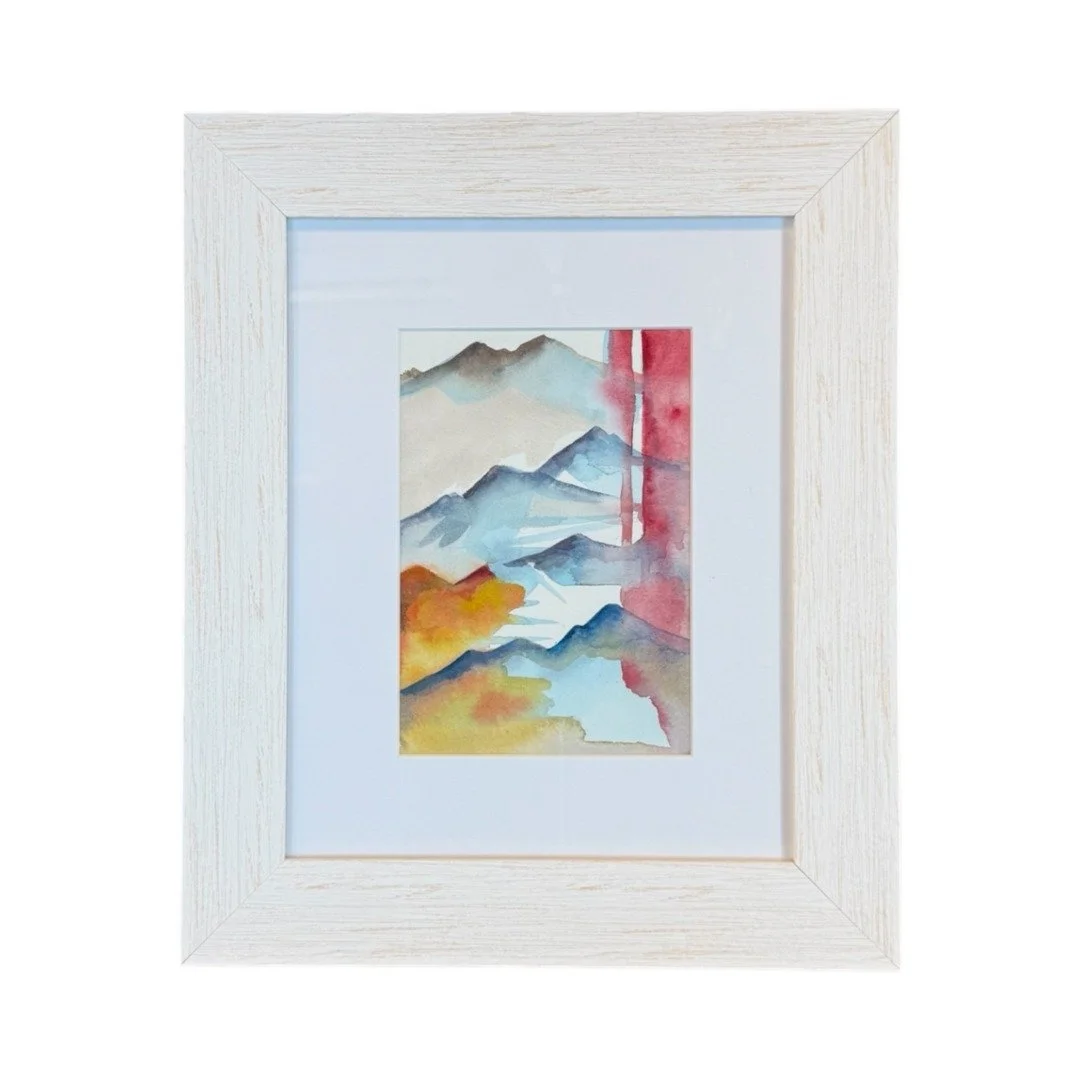
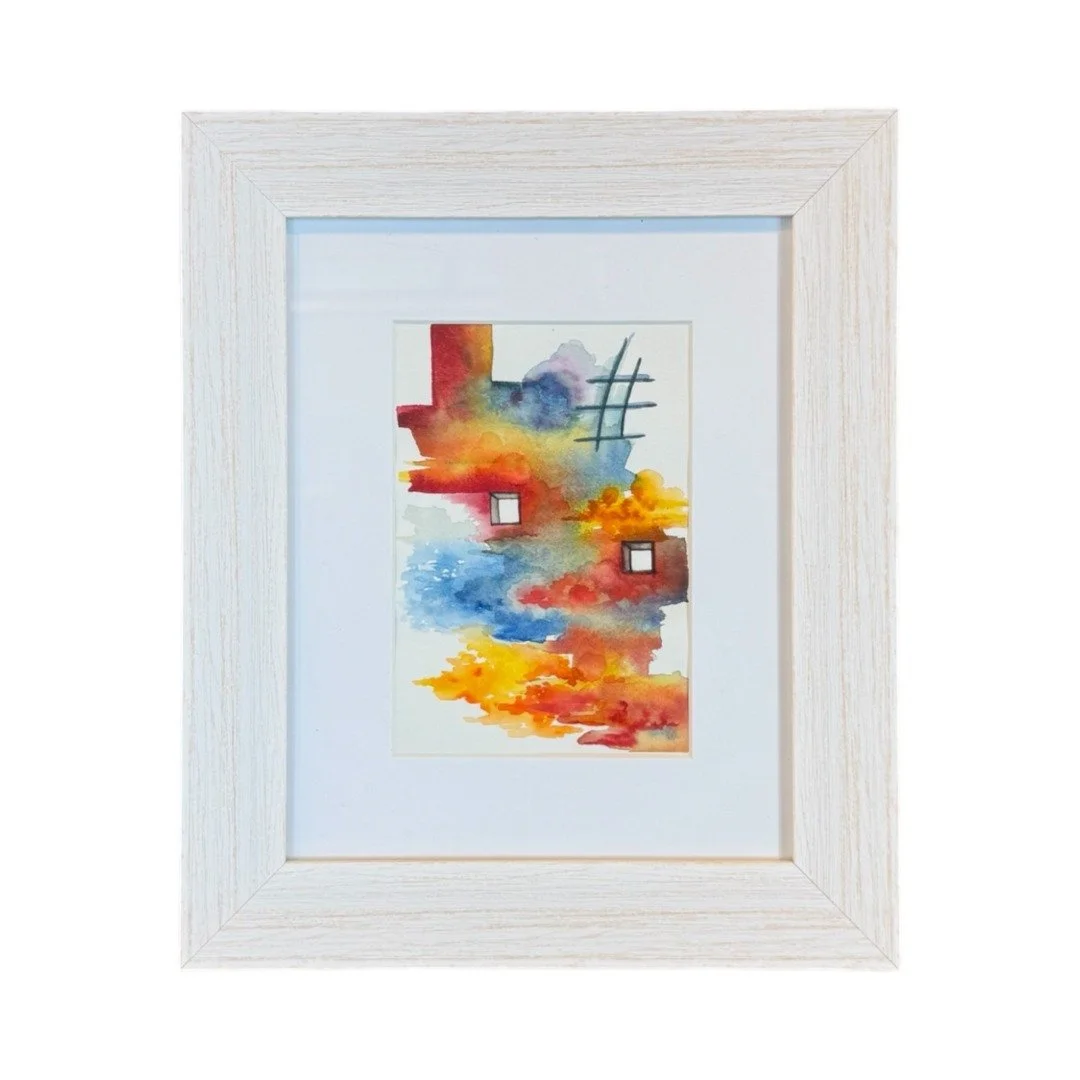
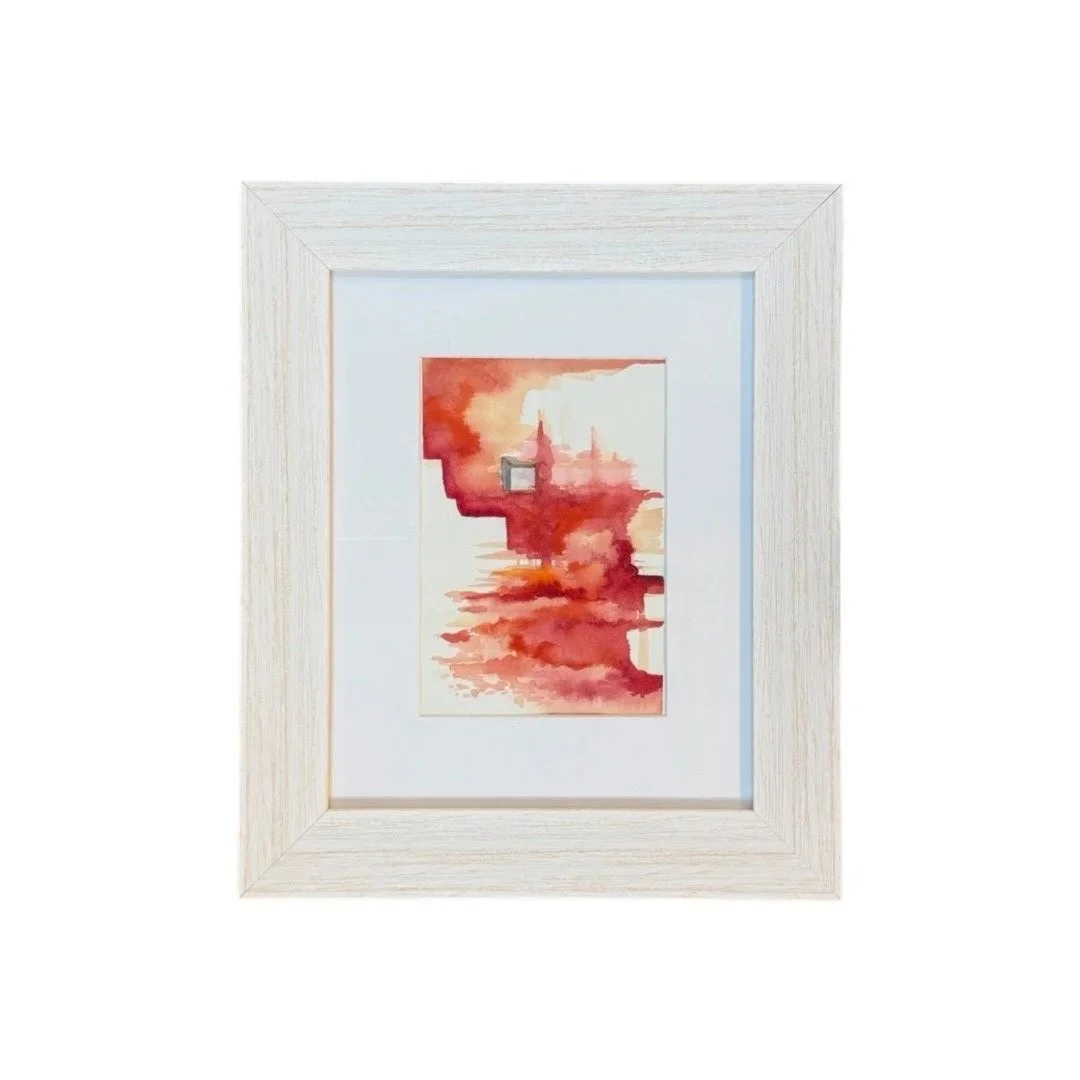
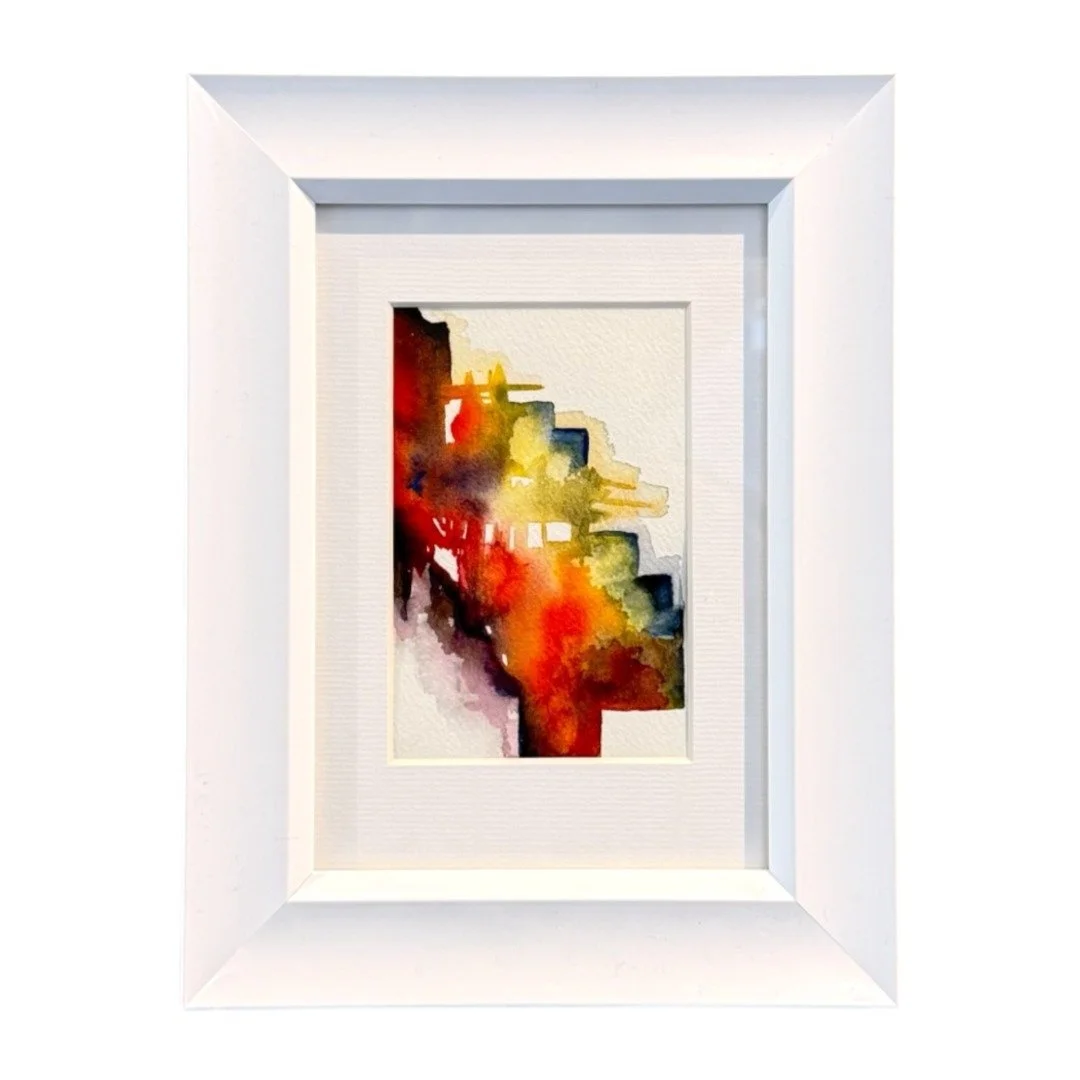
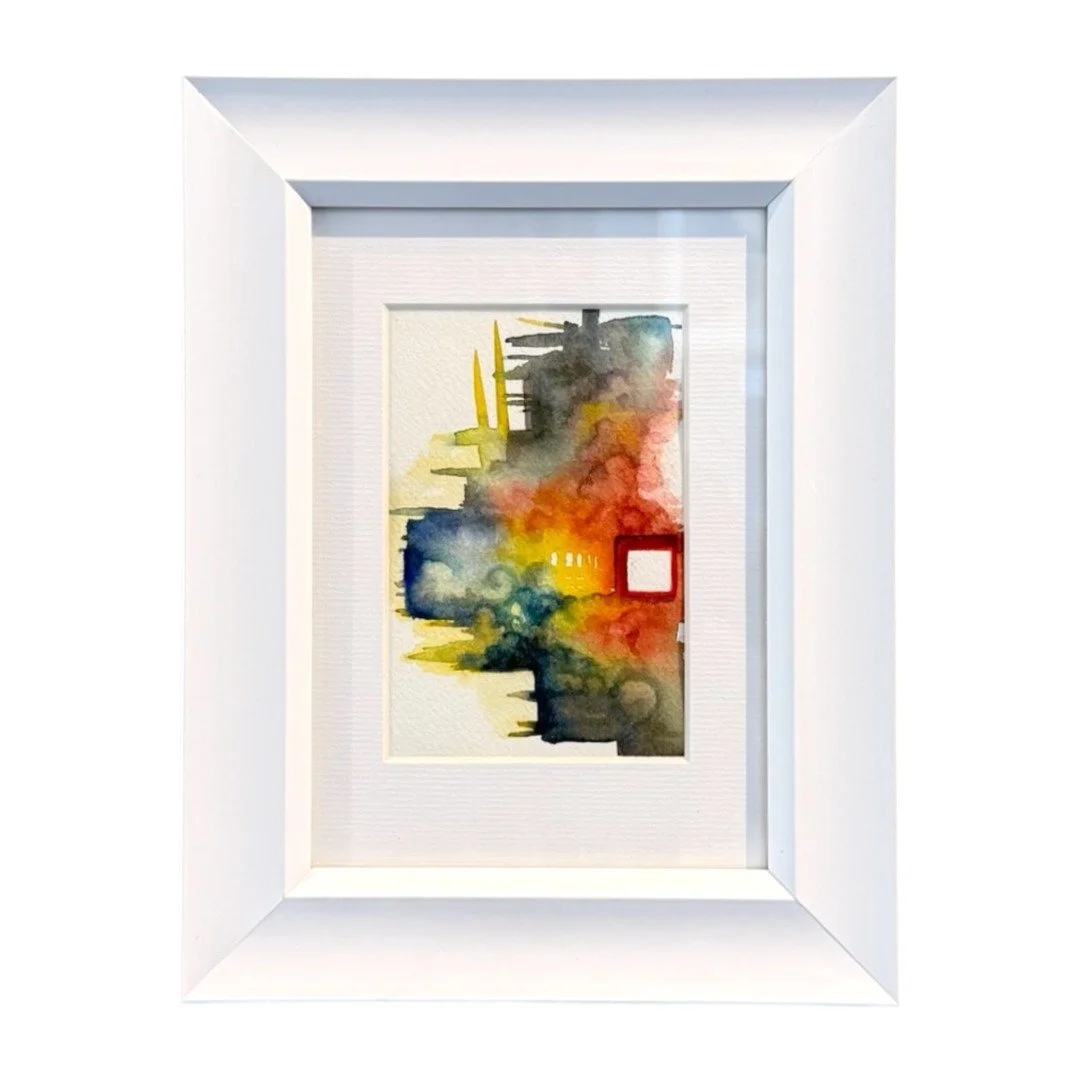
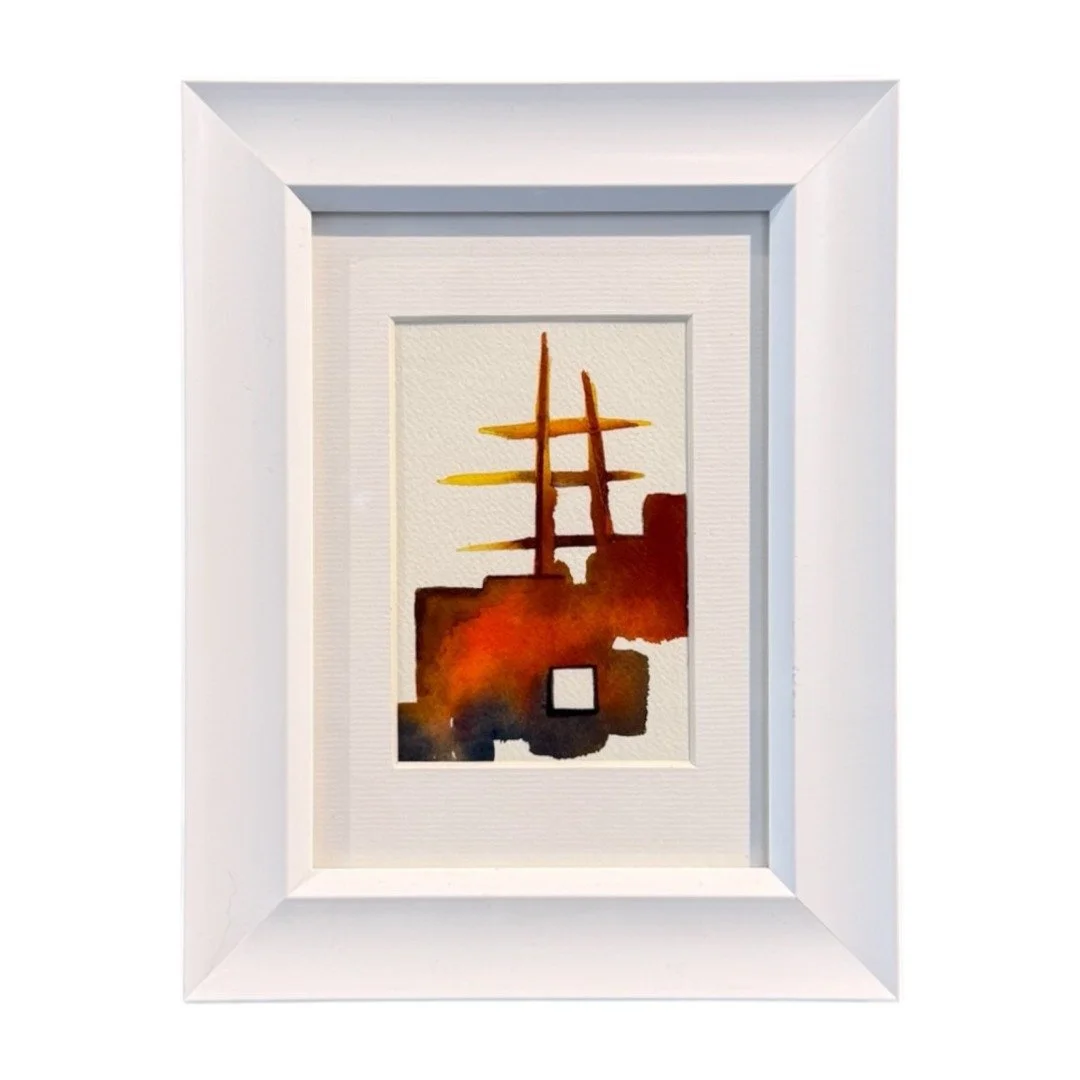
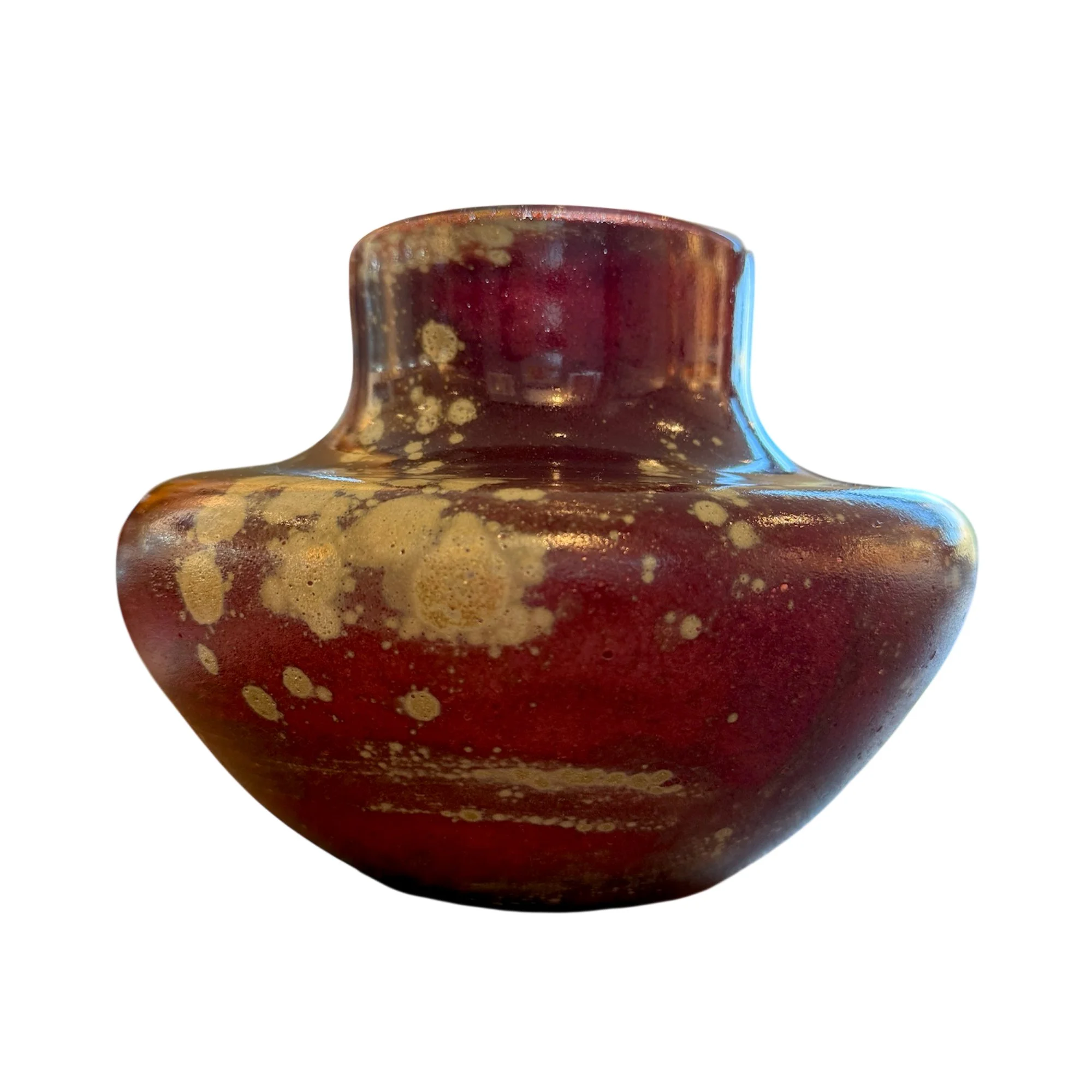
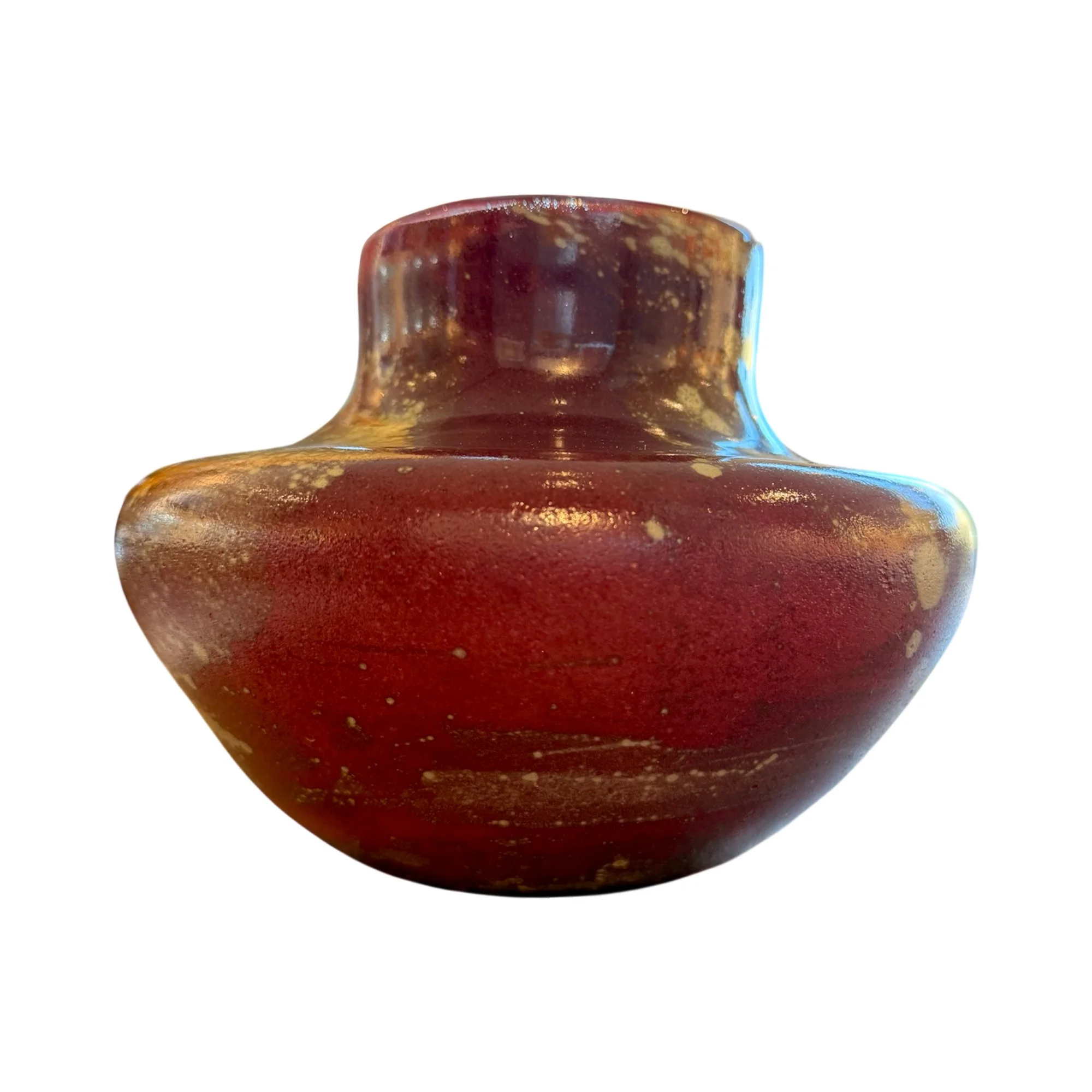


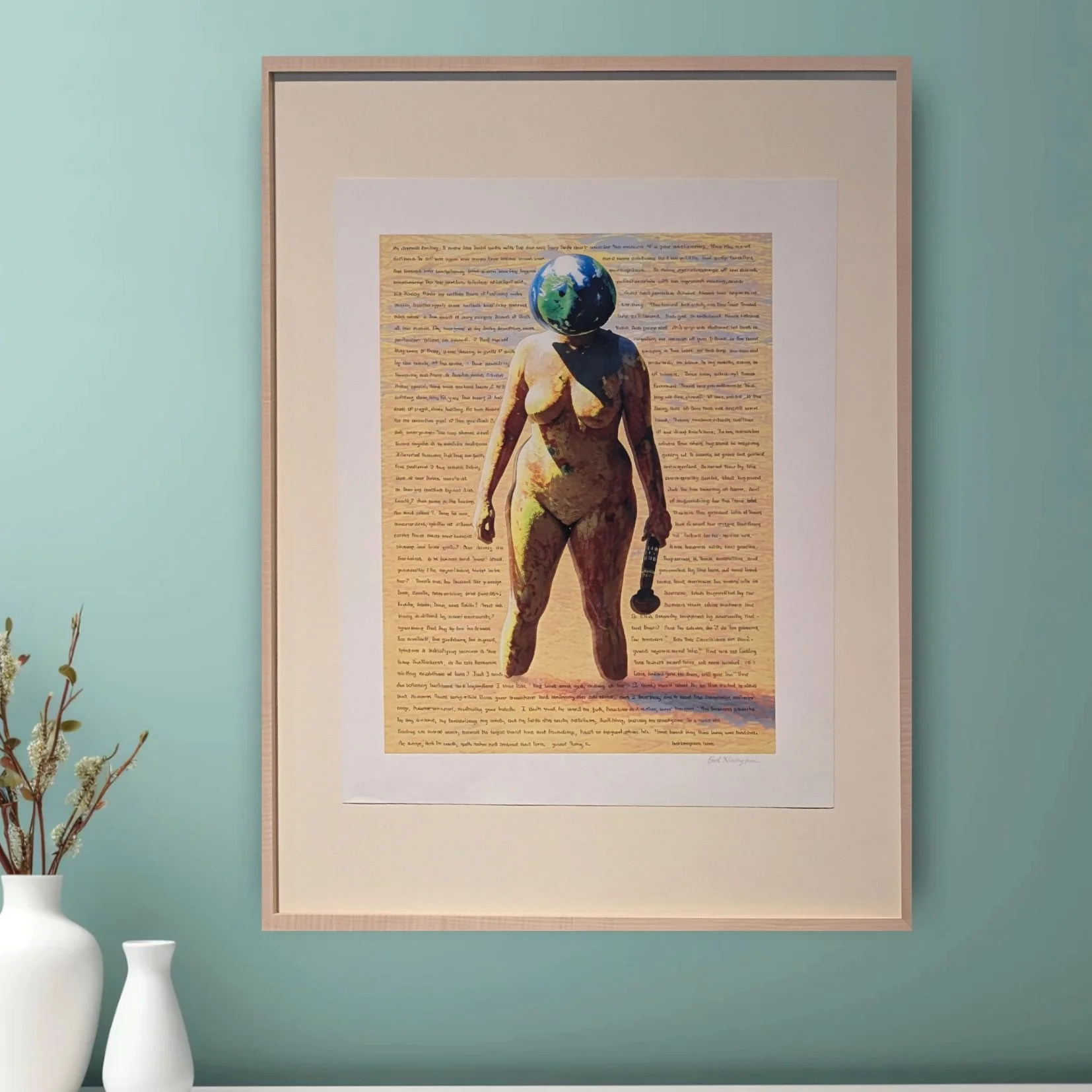


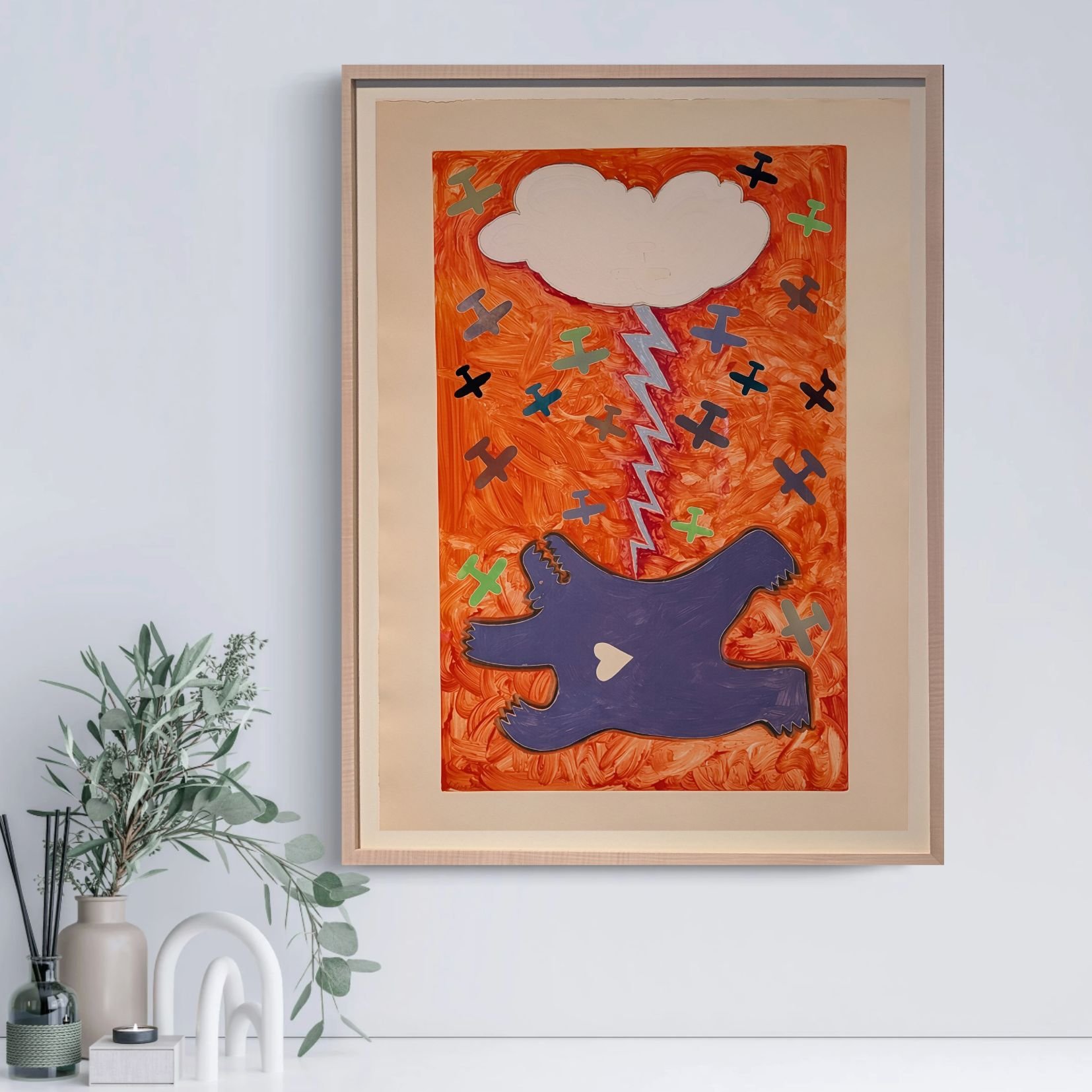
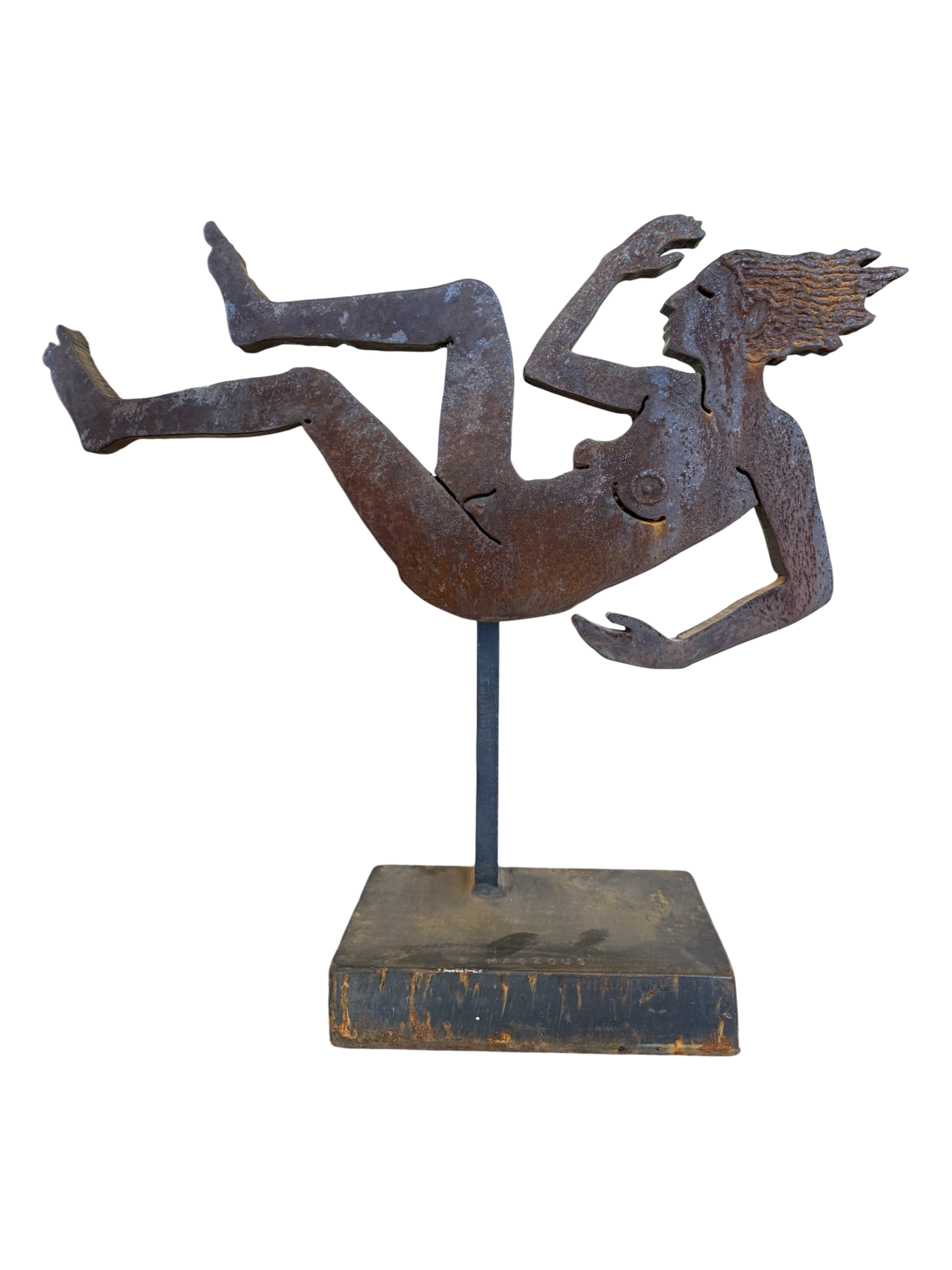
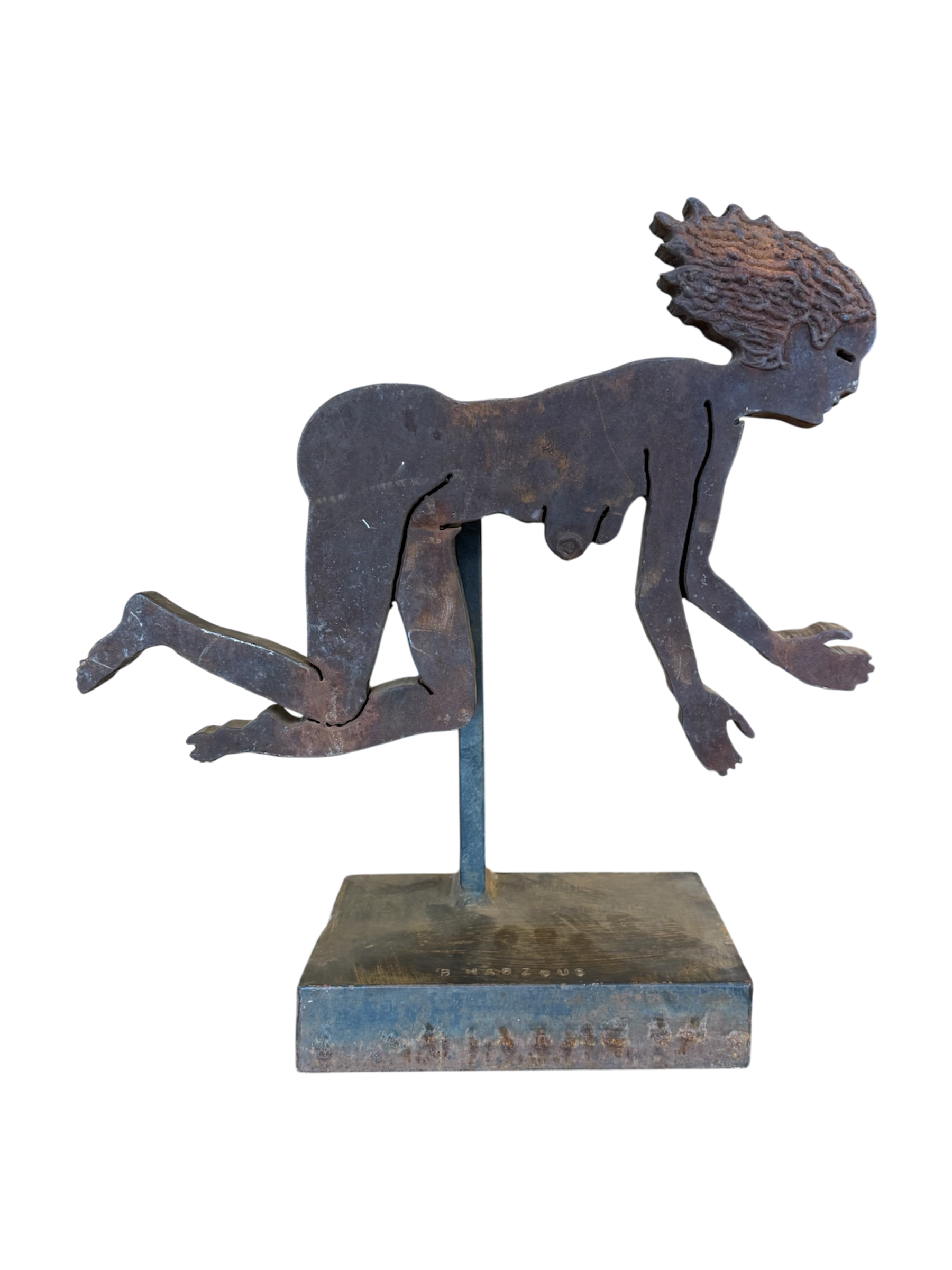


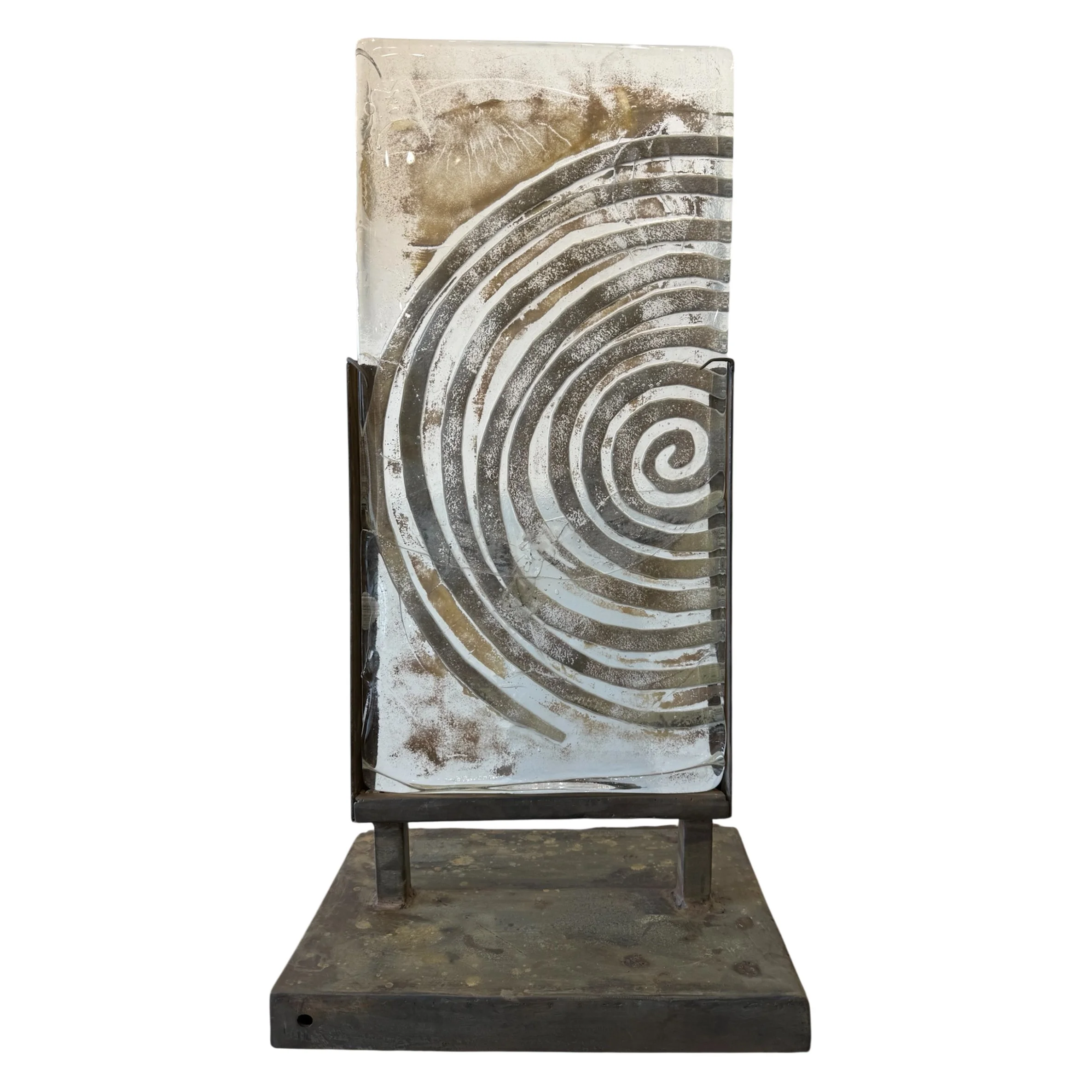
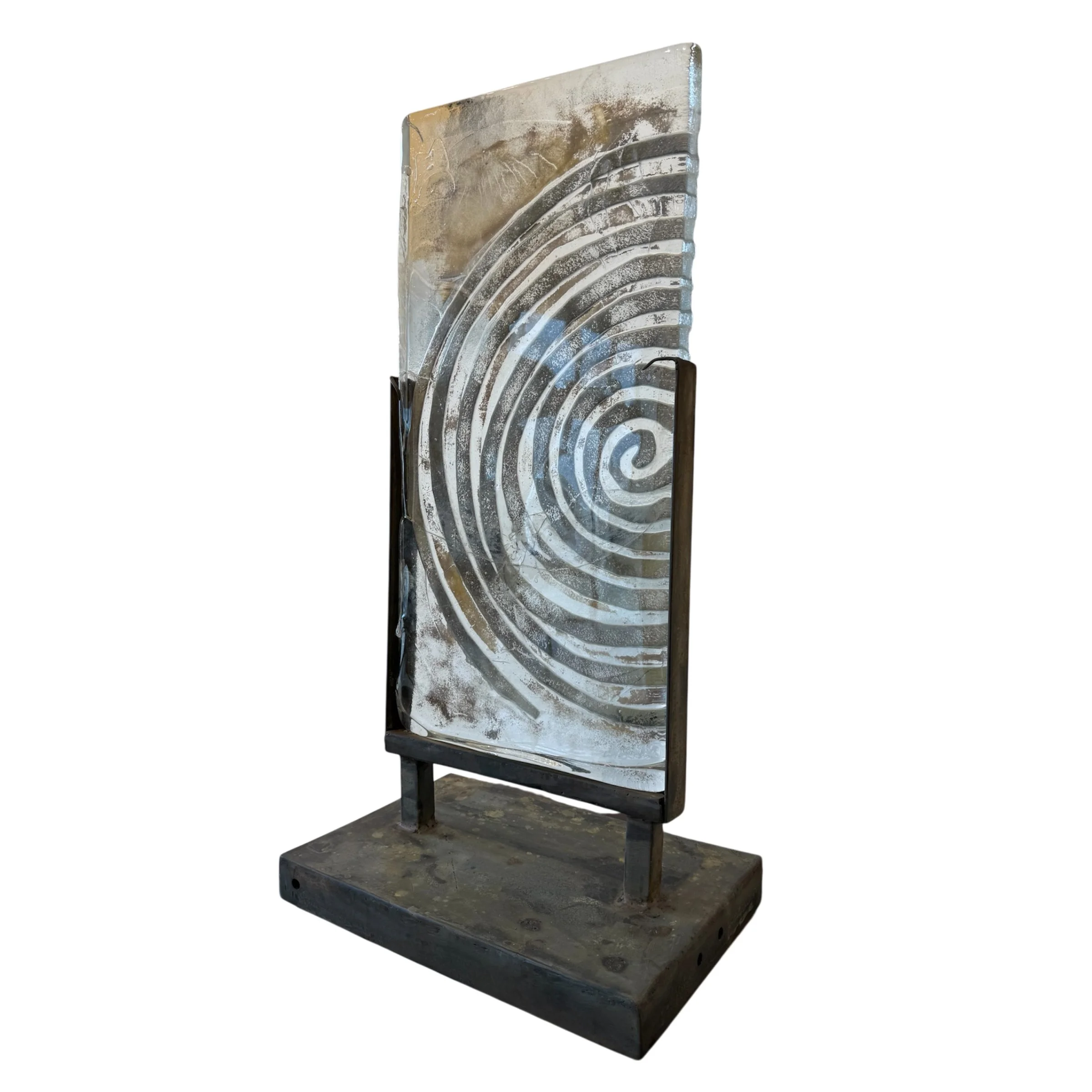
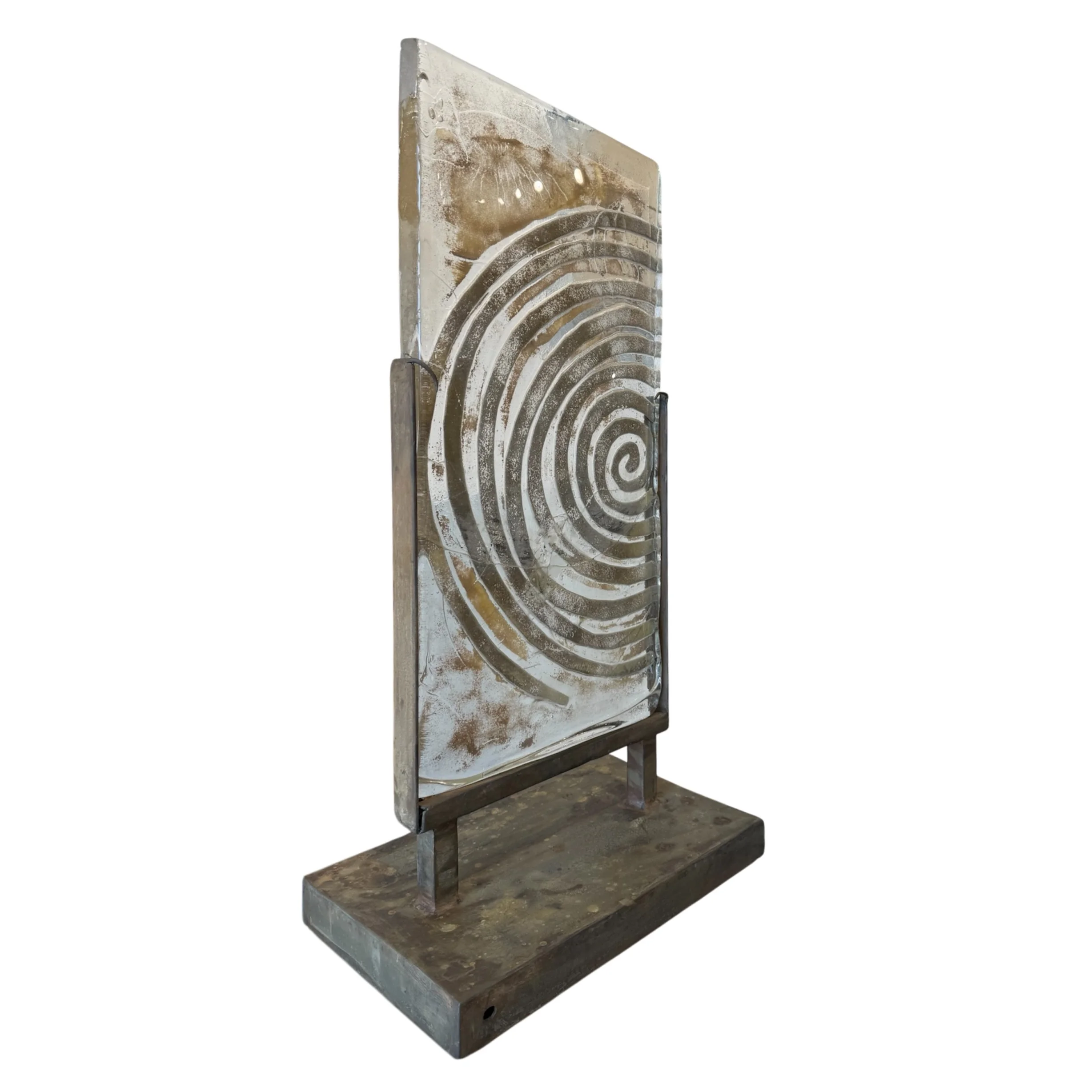
Jamison Chas Banks
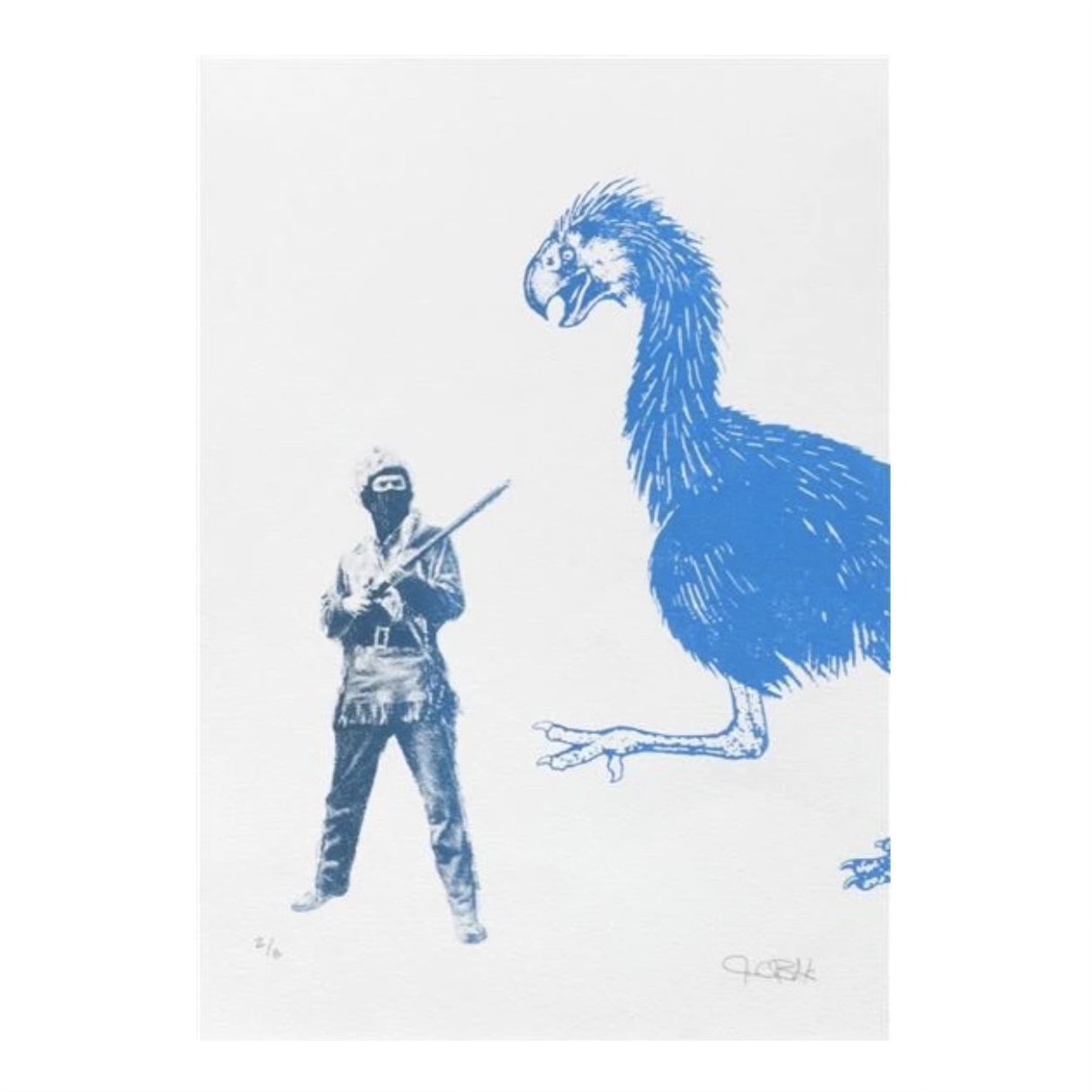
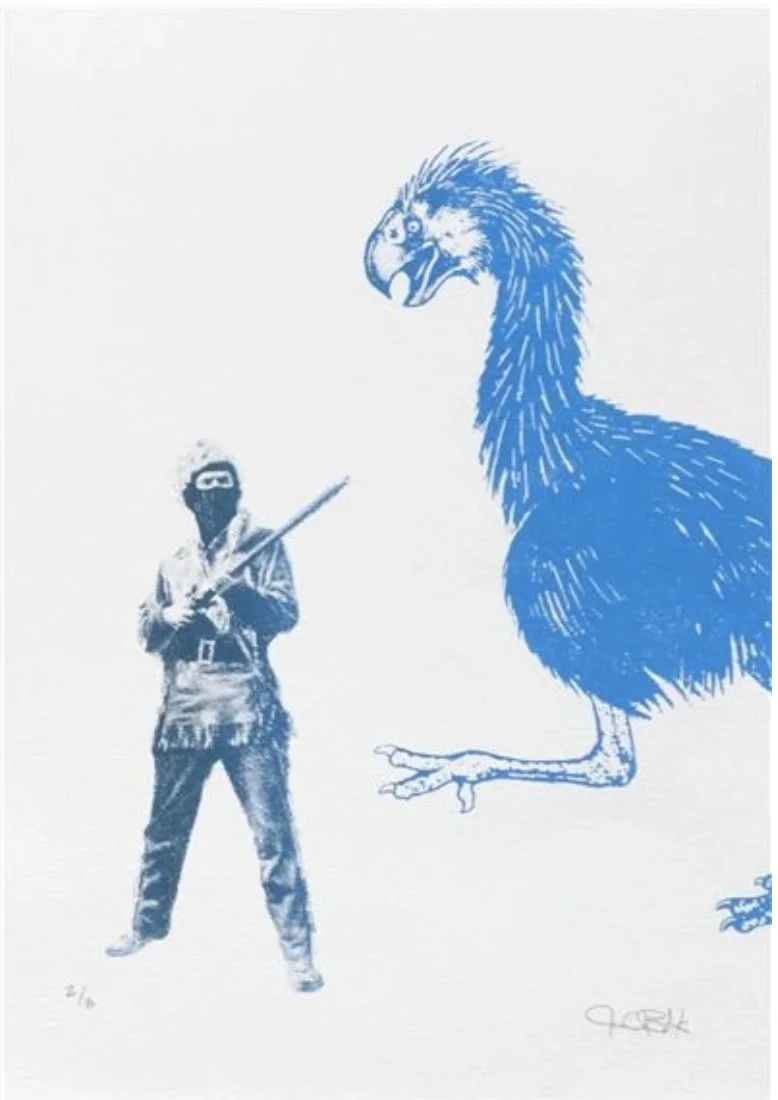
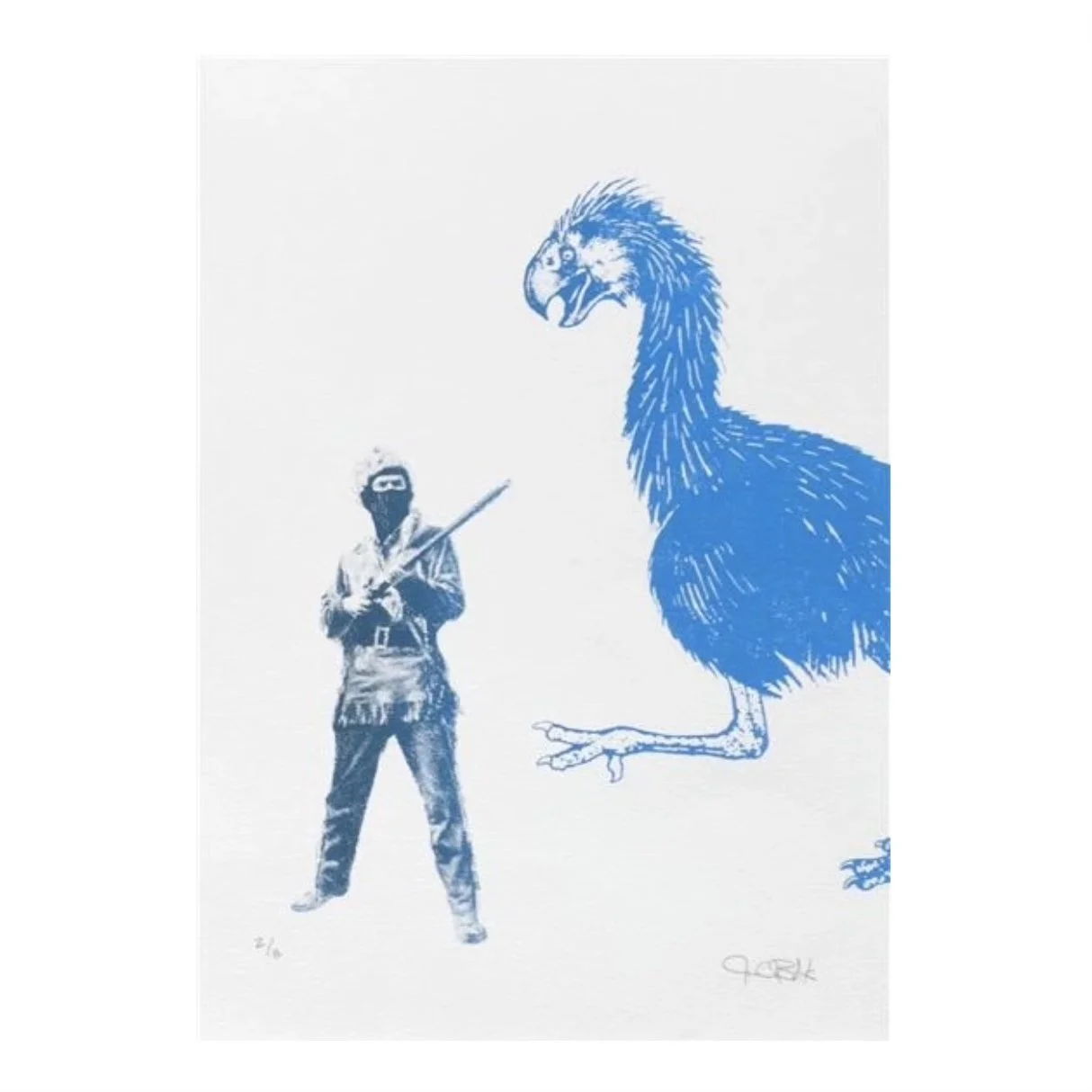
As humankind currently menaces through the 6th great extinction, one could argue that humankind’s earliest common reality or consciousness began when we started to create narratives of hunting that were illustrated on rocks or cave walls. Hunting sustained our early ancestors and helped to devise ways that disguised or manipulated our forms in turn enhancing our basis for camouflage. Animals not only provided life sustaining food, shelter, and clothing; they also enshrined fundamental ideas of medicine, myth, and ritual.
These foundation stories allowed us to reckon our place in our environment and they must have been filled wonderment and complex mystery. Paradoxically, it was this mystery and ongoing threat from animals that spurned our current extinction dilemma. The ability to camouflage or crypsis allowed our ancestors to have a foothold in the arms race imbalance against our animal adversaries. This was of course a mirror reflection of
what the animals themselves had evolved with their own patterns of concealment in order to remain undetected.
All cultures were at some point, and some have maintained, an “intertwinedness” with their environment and also specific region’s animals. In the modern sense, the fight to dominate Mother Nature’s paradise has spiraled out of control to the point that the original animal camouflaging has escalated into the animals actually becoming “invisibled”.
We must remember that this onslaught between hunting and sustainability for our own species is not that much different from full-scale human warfare. Both endeavors seek to use stealth, bear weapons, use deception, and ultimately dominate a force or region. The only real difference is scale and ferocity.
Ultimately for me, the Eradication Methods Laboratory is a visual code that at one level seeks to continue the legacy of Paleolithic art on rock and cave walls. The Eradication Methods Laboratory’s objective is to be seen as a modern cave painting with a central focus that remains cognizant of prehistoric awareness of surroundings while withholding appeasement/reverance to a higher order of sacred wonderment.
Ira Lujan
Glass artist Ira Lujan (Taos/Ohkay Owingeh Pueblo) creates Indigenous imagery usingthe luminous medium of blown glass. He trained in at the University of New Mexico in Taos, apprenticing with renowned glass artist Tony Jojola (Isleta Pueblo), and later studied with Preston Singletary (Tlingit) at the Pilchuck Glass School in Washington. Lujan’s vessels and sculptural forms draw from Pueblo history, including . Rich color, refined surface, and balanced form reflect his technical precision and deep respect for tradition. Each work is both contemporary and timeless, offering collectors a distinctive synthesis of cultural meaning, craftsmanship, and visual presence. Lujan’s glass stands as a testament to continuity, innovation, and the enduring vitality of Indigenous art.

Kelly C. Frye
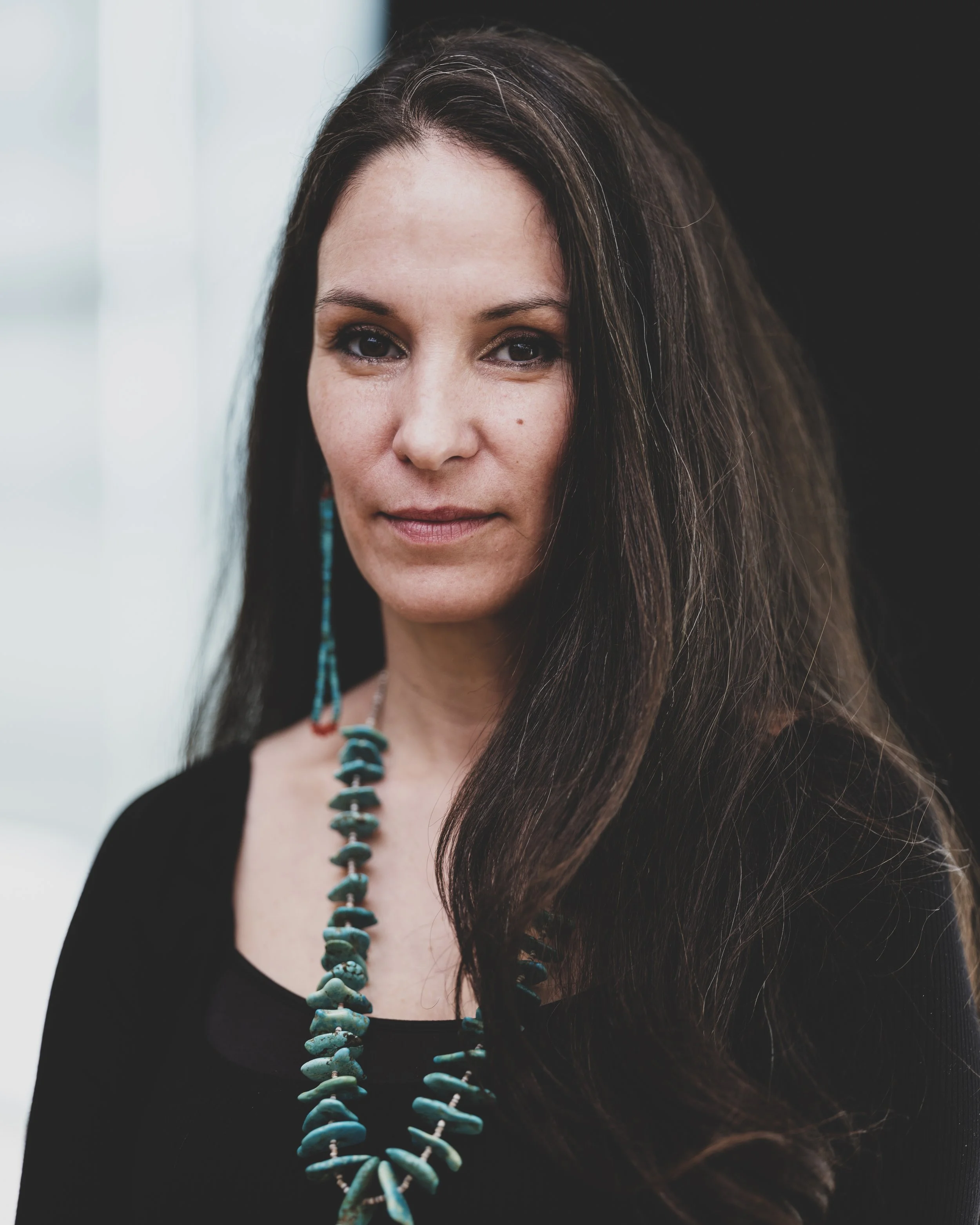
The soul and spirit of my work springs from my curious nature. This curiosity has led me to many adventures throughout my life. Self-discovery through the arts allows me to express a contemporary voice of my Indigenous world. I find limitless possibilities of expression in a combination of historical and personal narratives. These experiences have allowed me to explore different mediums, culminating in a passion for sculpture with casting metals, welded steel, and clay.
Russell Frye
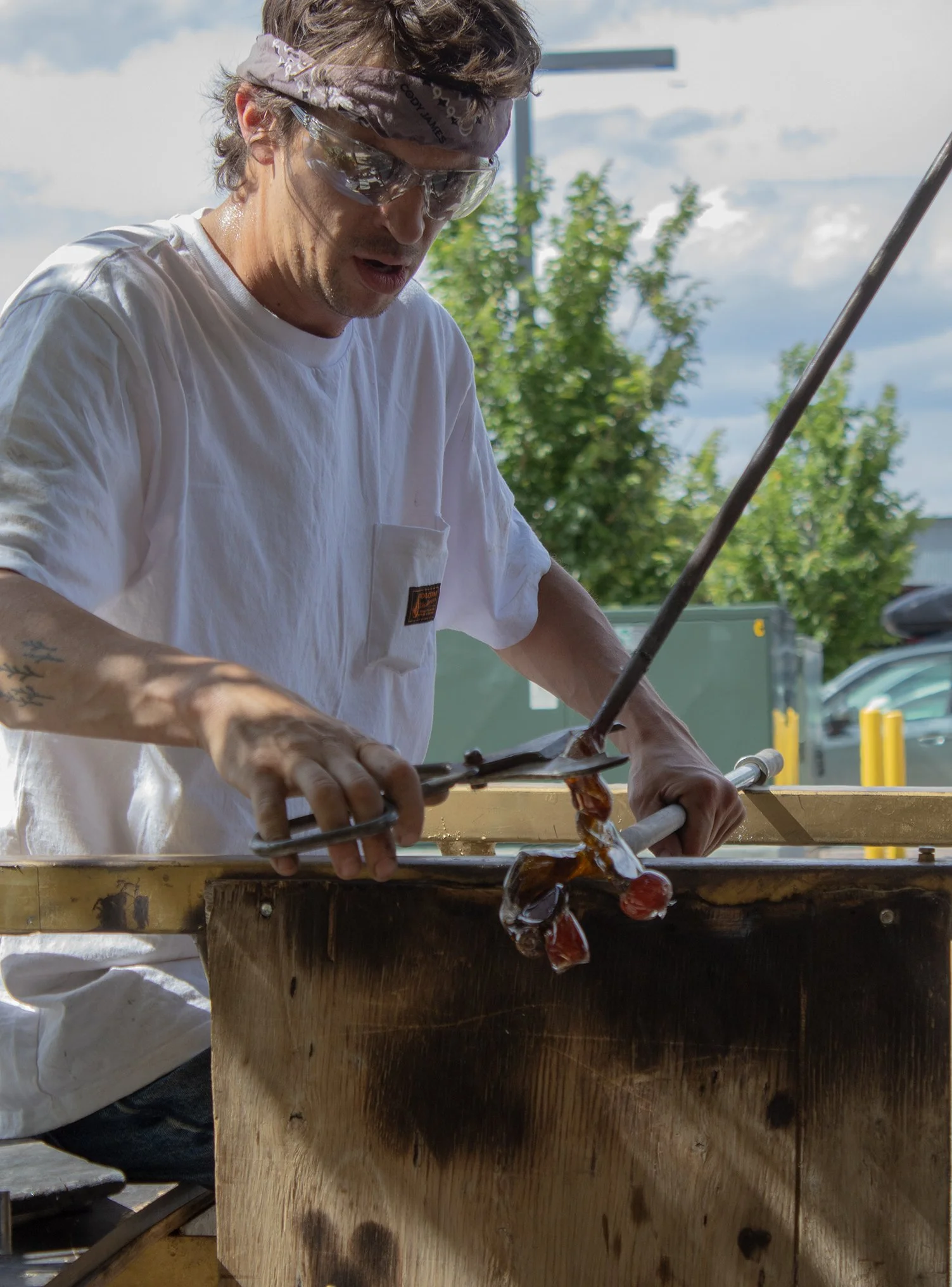
Russell Frye’s work in glass and cast bronze emerges from a deep connection to his family’s legacy of Pueblo pottery, translating ancestral forms into contemporary works of art. Raised in a family of ceramists and encouraged by an art-teacher father, Frye carries these traditions forward through vessels and sculptural forms that balance cultural continuity with experimentation. He approaches glassblowing much like cooking, another creative path that has shaped him as an immersive, sensory process requiring presence, intuition, and trust in transformation. Within this intense flow, he finds space to process experience and give it form. His artistic path has been shaped by community, mentorship, and collaboration. He continues to explore new methods that bridge tradition and innovation, ranging from coiling forms inspired by Pueblo techniques to glass blowing and integrating bronze casting. Through each vessel, sculpture, or small glass figure, Frye honors his cultural roots while expanding material possibilities, creating work that carries care, connection, and continuity for those who encounter it.
Bob Haozous
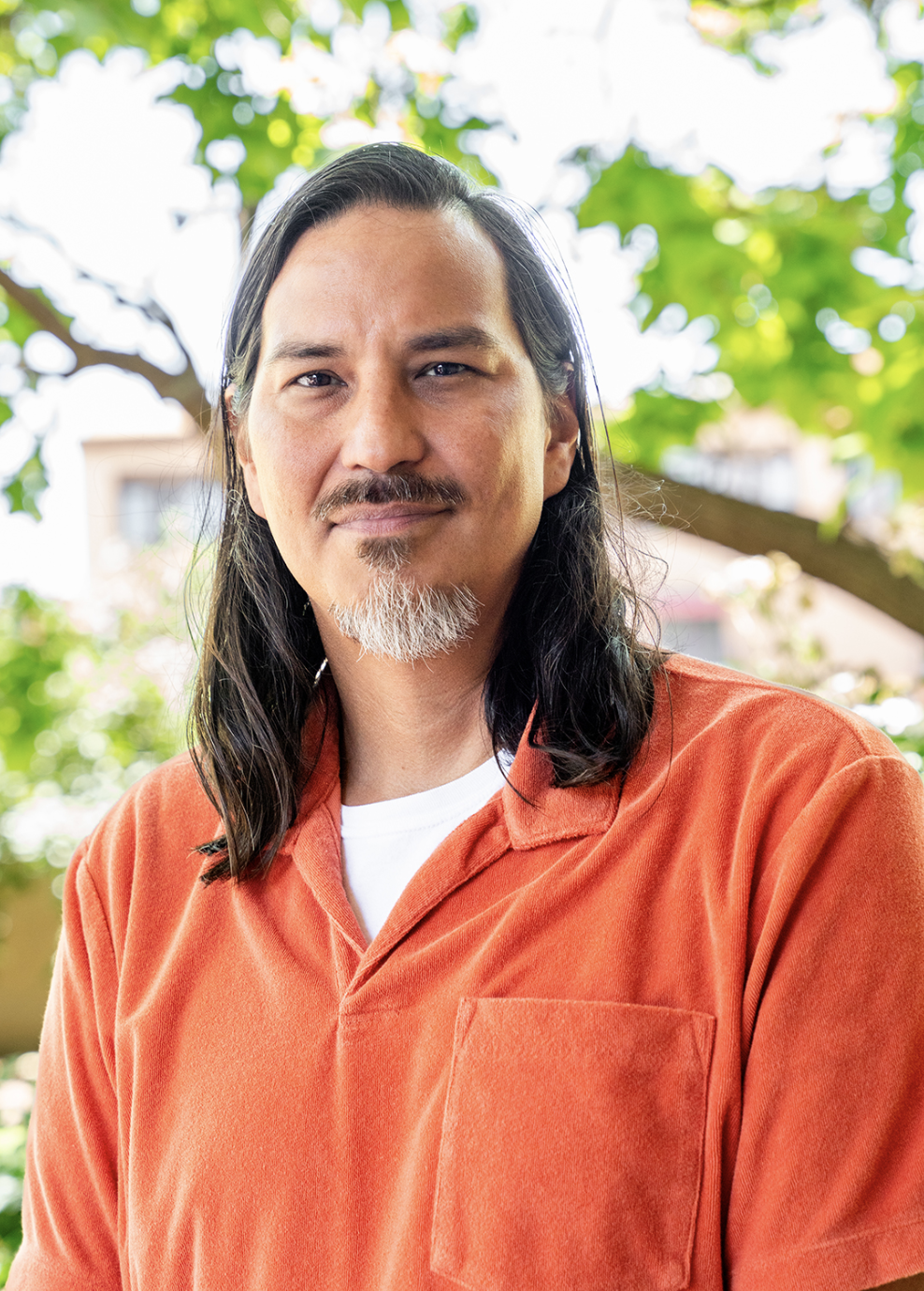
Bob Haozous (born April 1, 1943) is a renowned Chiricahua Apache artist celebrated for his provocative sculptures and multimedia works that confront themes of identity, environmental issues, and institutional racism. As the son of esteemed Apache sculptor Allan Houser, Haozous has carved his own path in the art world, creating pieces that challenge societal norms and provoke thoughtful discourse. His art is characterized by a fusion of Native imagery with contemporary commentary, often employing humor and satire to address complex issues. Haozous's works have been exhibited internationally, including at the Venice Biennale, and are featured in prominent collections such as the British Museum and the National Museum of the American Indian. He continues to live and work in Santa Fe, New Mexico, contributing significantly to contemporary Native American art.
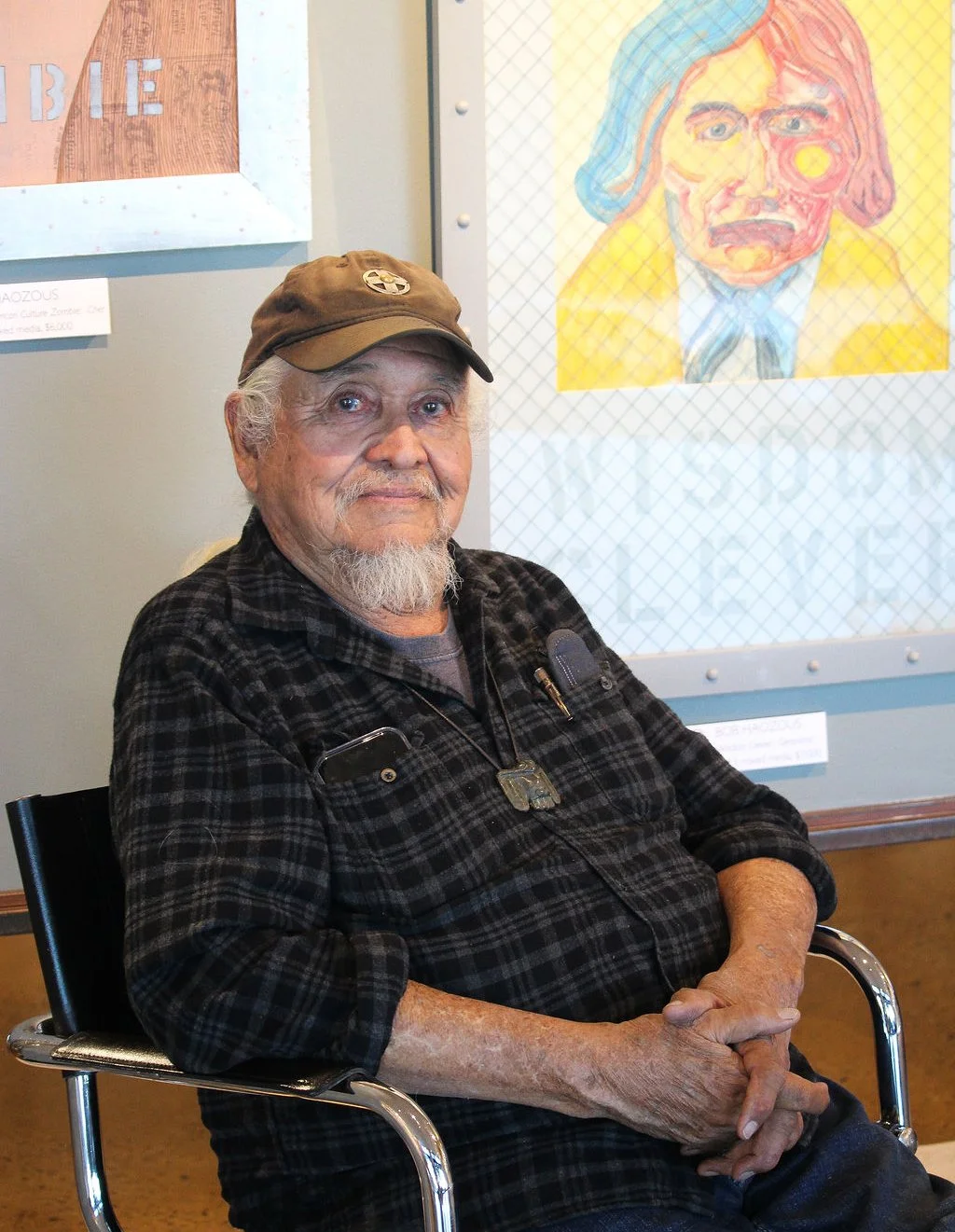
Photo by Lozen Haozous